Evidence Based Longevity (EBL)
Supplements · 109 graded

109 graded. 1 at Grade A.

A letter describes the human evidence, not the product, the manufacturer, or the ingredient's worth.

Search by name or filter by evidence tier. Each grade reflects human RCT Randomized controlled trial: people are assigned to the treatment or a comparison by chance, so the groups differ only in what they received. It is the design that can show cause and effect. quality, dose adequacy, and replication The same finding reproduced by a separate research group. A result seen once can be chance or bias; a replicated one is harder to explain away., not marketing claims.

| Evidence
109 graded · 84 above, 25 Grade D below
C
Contraindications listed
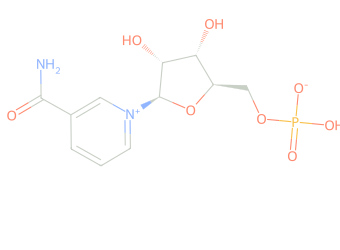
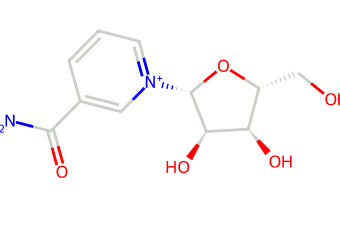
NR (Nicotinamide Riboside)

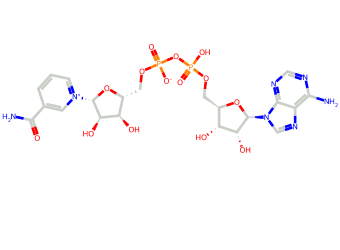
Six-minute walk in peripheral artery disease, on one unreplicated trial (C). Blood NAD+ rises reliably, a mechanistic marker that caps at C. Clamp-measured insulin sensitivity in obese men and cognition in mild cognitive impairment were tested without benefit (D Route 2). Long-COVID cognition and fatigue were also null. In early Parkinson disease, a 410-person phase 3 trial found people on NR did worse than placebo (D, harm found).

250–500 mg/day; some protocols use 1,000 mg
View evidence + safety →
B
Contraindications listed
Omega-3. High-dose EPA (icosapent ethyl, 4 g)

High-dose purified EPA (icosapent ethyl 4 g/day) for cardiovascular risk reduction in treated patients with raised triglycerides, which is what the Grade B rests on. REDUCE-IT moved hard cardiovascular events, but it is one industry program and no second independent icosapent outcomes trial has replicated it, so it does not reach A. Mixed EPA+DHA fish oil for primary prevention in general-risk adults is graded separately and is D. Triglyceride lowering and omega-3 index are measurements, not the graded outcome.

REDUCE-IT used 4 g/day of icosapent ethyl, purified EPA…
View evidence + safety →
B
Contraindications listed
Vitamin D3
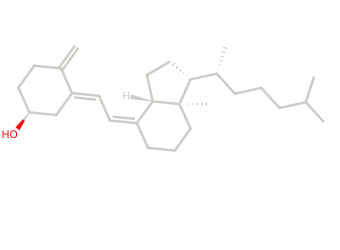
Vitamin D3

Use-specific. Fall prevention in older adults and respiratory infection prevention: Grade C, mixed randomized evidence. Fracture prevention with vitamin D3 alone: Grade D, tested and no benefit, in deficient or older adults and in adults not selected for deficiency. Vitamin D3 with calcium in older adults living in institutions: Grade B, replicated hard-endpoint benefit in institutions, null in the large community trials. Cancer and cardiovascular prevention in adults not selected for deficiency: Grade D, tested and no benefit.

As studied, by row: 800 IU/day of vitamin D3 with 1.2 g…
View evidence + safety →
C
Contraindications listed
Resveratrol (Trans-Resveratrol)

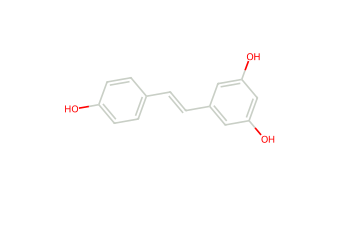
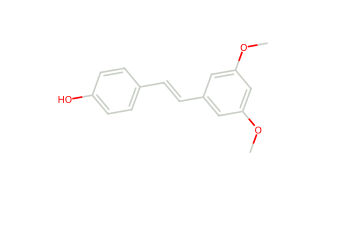
Metabolic markers in obese men, where one 30-day crossover of 150 mg/day was positive and the independent attempts to repeat it with clamp-measured insulin sensitivity were null (C, mixed). Pooled trials find no effect on C-reactive protein, lipids, glucose or blood pressure. In older men, 250 mg/day blunted the gains in fitness, blood pressure and lipids from exercise training (D Route 2, harm found). Sirtuin activation is a mechanism, not a use

150 mg/day of a trans-resveratrol formulation in the…
View evidence + safety →
C
Contraindications listed
Taurine
Taurine

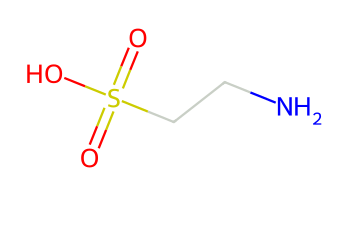
Use-specific. Endothelial, vascular and inflammatory markers in type 2 diabetes: Grade C, three randomized trials agree, but the markers are not established stand-ins for a clinical outcome. Glycemic control in type 2 diabetes: Grade C, one null and two positive trials at 3 g/day. Acute 3-km running performance: Grade C, one crossover. Aging or longevity: no human randomized trial (Route 1).

As studied: 1 g as a single dose about 2 hours before…
View evidence + safety →
C
Contraindications listed
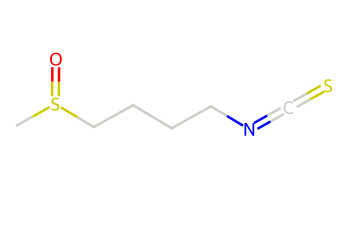
Sulforaphane (Broccoli Sprout Extract)

Glucose control and insulin resistance in type 2 diabetes, on small short trials: one 4-week Tehran trial of 10 g/day broccoli sprout powder lowered insulin and HOMA-IR, and a Swedish trial of a concentrated sprout extract lowered fasting glucose and HbA1c in obese patients with poorly controlled diabetes, a subgroup. The same Swedish group's prediabetes trial missed its prespecified primary endpoint. NRF2 activation, the proposed mechanism, did not show in two of three randomized trials that measured it, and the one hypertension trial found no change in endothelial function or blood pressure.

As studied: 10 g/day broccoli sprout powder for 4 weeks…
View evidence + safety →
C
Contraindications listed
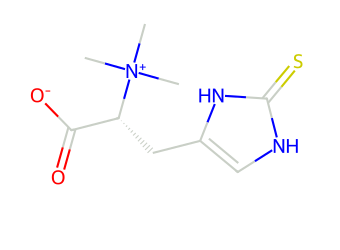
Ergothioneine (L-Ergothioneine)

Verbal learning in mild cognitive impairment: one randomized placebo-controlled pilot, 19 adults aged 60 or over, 25 mg three times a week for a year, improved Rey Auditory Verbal Learning Test performance and stable neurofilament light chain against placebo. Unreplicated, and the funder is not stated. Otherwise the evidence is observational association between low blood levels and cognitive decline.

No dose is established from human trials. The one efficacy…
View evidence + safety →
C
Contraindications listed
Selenium (Selenomethionine)

Thyroid peroxidase antibody levels in autoimmune thyroiditis, lower across several meta-analyses and one 412-patient trial, a surrogate whose fall has not changed thyroid function, levothyroxine dose or quality of life (C). Long-term supplementation in adults who are not deficient was tested in trials of 1,312 to 35,533 people: no cancer benefit and a signal of more type 2 diabetes (D Route 2). The trials were not selected for selenium deficiency, and the Cochrane review found no clear influence of baseline status on outcomes.

55-200 mcg/day. RDA is 55 mcg. Most intervention studies…
View evidence + safety →
C
Contraindications listed
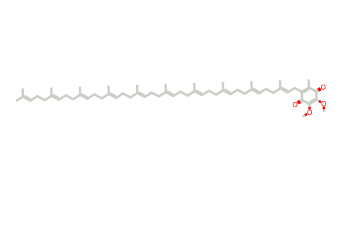
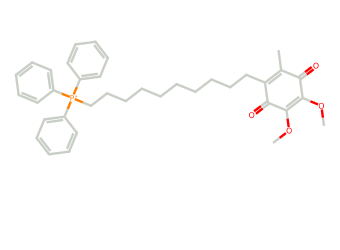
MitoQ (Mitoquinone Mesylate)

Brachial artery flow-mediated dilation in older adults at 20 mg/day, a measured vascular marker that is not an established stand-in for a clinical outcome, improved in a 20-person crossover in older adults and an 18-person kidney disease pilot (C). Physical function in healthy older adults and endurance performance were tested at the same dose without benefit (D Route 2). Parkinson's disease progression was unchanged over a year at 40 to 80 mg.

20 mg/day in the vascular trials (Rossman et al…
View evidence + safety →
B
Contraindications listed
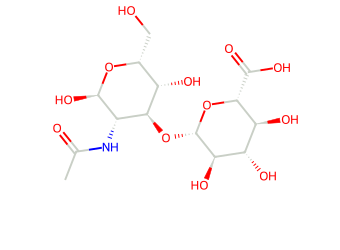
Hyaluronic Acid (Oral)

Graded by use. Skin hydration, elasticity and wrinkle depth: Grade B, several 12-week randomized trials and a 7-trial meta-analysis on instrument-measured surrogates, every trial run by or with a manufacturer, stated beside the letter. Knee symptoms: Grade C, one trend with an age-subgroup signal, one null primary, one self-rating without objective change. No trial measured cartilage or joint lubrication, and no human trial supports a gut-barrier claim.

Skin trials used 60 to 240 mg/day, most at 120 mg/day for…
View evidence + safety →
C
Contraindications listed
Montmorency Tart Cherry

Self-reported and actigraphic sleep in small, short trials of Montmorency juice or concentrate, with the two larger recent trials null (C). Recovery of muscle strength after strenuous exercise, where pooled analyses are positive on measured strength but heterogeneous and several independent trials are null (C). The rise in urinary melatonin in one trial came from melatonin in the juice itself

As studied for sleep: 240 mL of Montmorency juice twice…
View evidence + safety →
C
Contraindications listed
Panax Ginseng
Panax Ginseng

Erectile function in mild to moderate erectile dysfunction, on Korean red ginseng or ginseng berry extract at about 600 to 2,700 mg/day for 4 to 12 weeks: the Cochrane review found a statistically significant but trivial gain on erectile function scales, below the minimal clinically important difference, at low to moderate certainty, and more men reporting the ability to have intercourse at low certainty. No other use carries a letter.

View evidence + safety →
C
Contraindications listed
L-Citrulline
L-Citrulline

Blood pressure, where one pooled analysis found systolic pressure 4.1 mmHg lower with a borderline interval and diastolic pressure lower only at 6 g/day or more, and another pooled analysis found no effect on brachial or aortic pressure. Exercise performance is not supported for free L-citrulline: pooled analyses of aerobic and endurance performance are null, and the small strength and repetition effects rest largely on citrulline malate, a different form.

3 to 9 g/day in the blood pressure trials, with the…
View evidence + safety →
C
Contraindications listed
Tongkat Ali (Eurycoma longifolia)

Total testosterone in men with low testosterone, on small trials of standardized water extracts of the root: a 2022 meta-analysis of five randomized trials pooled a rise with very high heterogeneity, significant in men with low testosterone and not in healthy men. The largest placebo-controlled trial was funded and co-authored by the extract's maker. A hormone level is a surrogate, and no trial measured a health outcome.

As studied: standardized water extracts of the root, 100 to…
View evidence + safety →
C
Contraindications listed
Reishi (Ganoderma lucidum)

Immune cell percentages and tumor response as an adjunct to conventional cancer treatment, in five small randomized trials of varied Ganoderma lucidum preparations pooled by Cochrane at low certainty, none measuring survival (C). Blood glucose, lipids and blood pressure were tested in type 2 diabetes and metabolic syndrome without effect (D Route 2). No single product or dose has been tested twice.

No single studied dose. The cancer-adjunct trials used…
View evidence + safety →
C
Contraindications listed
L-Tyrosine
L-Tyrosine

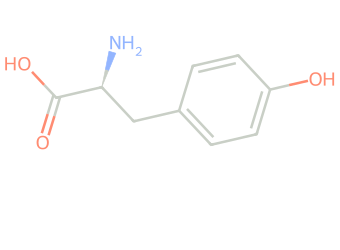
Working memory and reaction measures during acute environmental or operational stress, on small short trials: positive during severe cold exposure and a military combat course, null during exercise in heat, and null on stress markers in the one recent trial. Not a daily supplement claim: the positive trials gave 2 g doses or 150 to 300 mg per kilogram, far above a typical capsule.

No daily dose is supported. The positive trials gave single…
View evidence + safety →
C
Contraindications listed
Exogenous Ketones (Ketone Esters and Salts)

Drinks of beta-hydroxybutyrate, as a ketone ester or as ketone salts, that raise blood ketones without fasting or a ketogenic diet. Single doses lower blood glucose after a meal or glucose drink, and two-week trials in heart failure raised cardiac output (both C, measured markers). Endurance performance, migraine prevention and blood pressure were tested without benefit (D Route 2).

As studied: about 0.5 g/kg of ketone monoester before a…
View evidence + safety →
Grade D

These haven't made the grade yet

These compounds are in the longevity conversation but lack the human randomized controlled trial People are assigned to the treatment or a comparison by chance, so the groups differ only in what they received. It is the design that can show cause and effect. evidence required for a grade above D. We track them because you will hear about them, and because the evidence could change. A well-designed human trial could move any of them up.

D
Contraindications listed
PectaSol Modified Citrus Pectin (MCP)

PSA kinetics in biochemically relapsed prostate cancer, in two single-arm Phase II studies without a control group (D Route 1). The two placebo-controlled trials of the product, in hypertension with raised galectin-3 and in knee osteoarthritis, were both null (D Route 2). Metal-binding claims rest on uncontrolled studies by the product's developer and carry no letter.

6 capsules (5 g) once daily for maintenance; up to 15 g/day…
View evidence + safety →
D
Contraindications listed
Geranylgeraniol (GG)

No human randomized trial of the statin-muscle claim has reported, and no registered trial of that claim was located in this pass. Route 1 for the statin-muscle use: mechanistic and animal work. GG has now been tested in humans on other endpoints: a 150-person randomized trial found GG alone had no effect on plasma CoQ10 or on health and vitality questionnaires in healthy adults, and a 34-person fixed-order placebo-then-GG study found no change in testosterone overall. Popularity is not evidence: this is taken as a statin adjunct on the strength of a mechanism, not a trial result.

150 mg/day (annatto-derived) is a common product amount…
View evidence + safety →
D
Contraindications listed
Apigenin
Apigenin

No human randomized trial of standalone apigenin has been run. Route 1: cell, animal and mechanistic work only. Proposed as a CD38 inhibitor that preserves NAD+ by blocking its main degrading enzyme, and taken alongside NMN in some longevity protocols on that reasoning. The reasoning is not the evidence: a PubMed search for randomized human trials of apigenin on its own returned none

50-200 mg/day in typical supplements. No human RCT dose…
View evidence + safety →
D
Contraindications listed
Piperlongumine
Piperlongumine

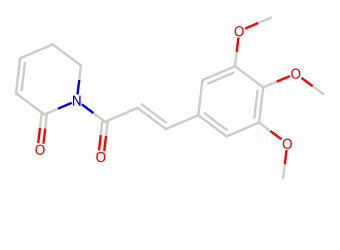
No human trial has been run, and no human dose or safety data exist. Route 1: preclinical senolytic work only. In cultured human fibroblasts, piperlongumine killed senescent cells by apoptosis, and the cited paper reports that this did not require the induction of reactive oxygen species. The authors filed a patent on piperlongumine and its analogs as anti-aging agents, and two are tied to a senolytic company.

No established human dose. Human trials absent.
View evidence + safety →
Showing 109 graded supplements. Every entry includes mechanism, dose range, drug-interaction notes, tracking metrics, and the primary human-trial reference.