Supplement · graded by use, three uses
Amla (Indian Gooseberry, Emblica officinalis)
Lipid profile (LDL Low-density lipoprotein cholesterol, the cholesterol fraction most closely tied to plaque in the arteries., triglycerides).
Amla, also called Indian gooseberry, is a fruit. A pooled review of five studies found that it lowered LDL cholesterol and triglycerides. So did a 12-week study of a fruit extract in adults with metabolic syndrome. These are blood fat readings, not heart attacks or deaths. Effects on blood sugar, inflammation and blood vessel health were smaller and less certain. In one human study it made bleeding take longer, both alone and with aspirin.
The B belongs to one of the three uses graded on this record. The other two carry their own letters.
As studied, and the trials
Setayesh 2023 meta-analysis of RCTs (PMID 36934568) and Usharani 2019 RCT (PMID 31060549) show consistent reductions in LDL and triglycerides. Surrogate endpoints A lab value or measurement used in place of the outcome that matters, such as LDL cholesterol standing in for heart attacks. Moving a surrogate does not always move the outcome.; no hard-outcome data.
As studied, and the trials
Setayesh 2023 meta (PMID 36934568) found modest glucose reduction; effect smaller and less consistent than the lipid effect.
As studied, and the trials
Reduced CRP and improved endothelial function in metabolic-syndrome RCTs; small trials, surrogate markers.
Read the grade that matches your goal. How EBL grades by use →
A letter describes the human evidence, not the product, the manufacturer, or the ingredient's worth.
See the full evidence record →Lipid profile, meaning LDL and triglycerides. Glycemic control, and CRP with endothelial function, are each graded C on the same record.
Why this gradeThe reasoning, and what the grade does not cover.
Grade B on lipids (meta-analysis of RCTs plus a double-blind RCT, consistent LDL/triglyceride reduction). Grade C on glycemic control and inflammation (smaller, less consistent effects). Surrogate endpoints The outcome a trial measures to decide whether the treatment worked, such as heart attacks, blood pressure or a symptom score. throughout; no hard-outcome data.
A grade describes the human evidence for a named use. It is not advice, and it is not a judgment on any individual prescription. How the letters are decided →
Who responds: this record's trial reading reports no subgroup that identifies who responds.
As studied: dose, form, population and duration for every use
A grade describes the intervention that was tested. Where the product on the shelf differs from it, this says so.
Commercial disclosure
EBL earns no commission on any supplement it grades. A purchase made through the dispensary link below pays EBL nothing, the practitioner discount goes to you in full. The dispensary is Fullscript, a practitioner dispensary, and many of the professional-grade brands in it are sold mainly through practitioners rather than in health food stores. Grades are assigned by published rubric before any commercial relationship exists and are never influenced by one. Full disclosure.
500 mg standardized fruit extract twice daily (the cited trial used 250 to 500 mg twice daily of a standardized aqueous extract). Whole-fruit powder doses are higher and less standardized.
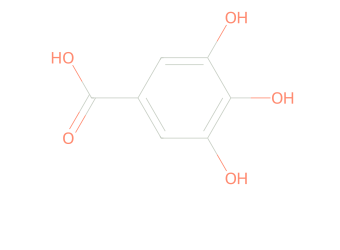
Standardized aqueous fruit extract is the form used in the cited trial. High in vitamin C and hydrolysable tannins (emblicanin, gallic acid): the polyphenols, not the vitamin C alone, are thought to drive the lipid and vascular effects.
The cited trial gave one capsule twice daily (PMID 31060549). Its report does not state a time of day or whether doses were taken with food.
Checked against the full published report. What the cited trials did, not a schedule. Every supplement, by trial timing →
How to buy this: quality criteria, not a brand
500mg of a standardized fruit extract twice daily, the dose used in the metabolic-syndrome RCTs.
Standardized aqueous fruit extract (the trial form). Unstandardized whole-fruit powder is lower in the active polyphenols.
Third-party tested for purity.
Unstandardized whole-fruit powder; blends that hide the extract mg; products sold mainly as a vitamin-C source rather than a standardized polyphenol extract.
The grade and these criteria are set only from human trials. Any purchase link is convenience and does not affect the grade.
Raised bleeding risk, and separation from surgery on the same grounds. Anyone whose glucose is already being driven low by treatment.
Diabetes medication: additive glucose lowering. Anticoagulants and antiplatelets: amla reduced platelet aggregation in two human studies, and in one it prolonged bleeding time, both alone and alongside aspirin or clopidogrel, so this caution rests on a measured effect rather than a mechanism. BTK inhibitors such as ibrutinib impair the same collagen-driven platelet response, and no study of amla with a BTK inhibitor exists. Amla is high in vitamin C, which increases non-heme iron absorption.
Mechanism-based, no human interaction study located. The iron-absorption and anticoagulant interactions described for Amla (Indian Gooseberry, Emblica officinalis) are mechanism-based. A PubMed search for human interaction, pharmacokinetic or co-administration studies pairing it with iron or with anticoagulants returned no results in September 2026, searching under Amla, Emblica officinalis, Phyllanthus emblica and Indian gooseberry. The antiplatelet caution is no longer on this row: the August 2026 search used only the name Amla and missed two human platelet studies, which are now cited on their own row. Basis: pharmacological mechanism, not a human study. Searched PubMed in September 2026: 2 queries, 0 human results.
Amla reduced platelet aggregation in human studies. Two human studies measured an antiplatelet effect from amla extract. In a randomized crossover A trial design in which each participant receives both the treatment and the comparison, one after the other, and serves as their own control. study of 10 people with type 2 diabetes, amla alone reduced platelet aggregation and prolonged bleeding time, as aspirin and clopidogrel did in the same study, alone and combined with amla. In a single-arm 12-week study of overweight adults, ADP- and collagen-induced platelet aggregation fell. Fatima et al. (Phytomedicine, 2014; PMID 24291054): randomized open-label Everyone in the trial knows which treatment they are receiving, so expectations can shape the results, especially for symptoms people report themselves. crossover study of the pharmacodynamic interaction of Phyllanthus emblica extract with clopidogrel and aspirin in type 2 diabetes. Khanna et al. (Journal of Medicinal Food, 2015; PMID 25756303): 12 weeks of a standardized Phyllanthus emblica extract reduced ADP- and collagen-induced platelet aggregation in overweight adults.
Amla and ibrutinib: both reduce the platelet response to collagen. Ibrutinib's platelet defect lies in the response to collagen. Amla extract reduced collagen- and ADP-induced platelet aggregation in a 12-week human study, and prolonged bleeding time in a crossover study that also tested aspirin and clopidogrel. A PubMed search in September 2026 located no study giving amla with a BTK inhibitor. Bye et al. (Blood Advances, 2017; PMID 29296914): ibrutinib impairs collagen-induced platelet aggregation and thrombus formation. Khanna et al. (Journal of Medicinal Food, 2015; PMID 25756303): reduced ADP- and collagen-induced platelet aggregation after 12 weeks of amla extract. Fatima et al. (Phytomedicine, 2014; PMID 24291054): amla prolonged bleeding time alone and with aspirin or clopidogrel.
Lipid panel (LDL, triglycerides), fasting glucose/HbA1c, hs-CRP High-sensitivity C-reactive protein, a blood marker of low-grade inflammation. at 12 weeks
Primary evidenceTwo papers, each linked to its PubMed record.
Setayesh et al. (Diabetes Metab Syndr, 2023; PMID 36934568): systematic review A review that searches for every study on a question using a method set in advance, then assesses them together. and meta-analysis of RCTs: Amla supplementation improved lipid profile, glucose, and C-reactive protein in adults. Usharani et al. (BMC Complement Altern Med, 2019; PMID 31060549): randomized double-blind placebo-controlled trial: standardized Phyllanthus emblica extract improved endothelial function, systemic inflammation, and lipid profile in metabolic syndrome. Grade B on lipids; glycemic and CRP effects are more modest (Grade C).
Educational use only · Not medical advice · Starting, stopping or changing any supplement or medication is a decision for your physician
These statements have not been evaluated by the Food and Drug Administration. This product is not intended to diagnose, treat, cure, or prevent any disease. The grade on this page describes the strength of published human trial evidence in the populations studied. It is not a recommendation for any individual and is not medical advice. Starting, stopping or changing any supplement or medication is a decision for your physician.
This page carries a letter. EBL takes no commission, referral fee or payment of any kind on anything it grades. No letter has been bought and none is for sale.
How this is enforced
That is not a promise, it is a build condition. Two checks run on every deploy: one refuses to publish if a commission is claimed on anything graded, the other refuses if a page names a commercial relationship that is not declared in the register. If either fails, this page does not go live. You can read how the checks work, and what they do not cover, on the evidence integrity page.
Grades move when new trials publish. A free monthly email lists every grade EBL moved, with the reason and the trial behind it: the sign-up is on the Evidence Log →