Supplement · graded by use, two uses
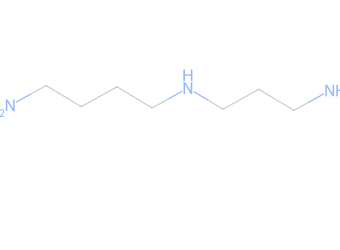
Spermidine
Aging, longevity, mortality.
Grade D, not yet tested: no human randomized trial has been run. This D records missing trials, not a finding that it does not work. How to read a grade →
Spermidine is a natural compound found in many foods. In mice, it extended life. In people, those who ate more of it lived longer, but that kind of study cannot show that spermidine was the cause. When it was tested as a supplement in 100 older adults for a year, memory did not improve. Some authors of the key studies owned shares in the company that sells it. It may also help some cancers survive, and nobody yet knows whether its overall effect on cancer is good or bad.
The D belongs to one of the two uses graded on this record. The other one carries its own letter.
As studied, and the trials
Animal lifespan data and observational Research that watches what people already do rather than assigning a treatment. It can show that two things travel together, not that one causes the other. dietary epidemiology only. No human randomized trial reports an aging, longevity or mortality outcome.
As studied, and the trials
SmartAge (Schwarz et al., JAMA Netw Open, 2022; PMID PubMed ID: the permanent number the US National Library of Medicine gives a published paper. Each one links to that paper's record on PubMed. 35616942) is the 12-month randomized trial; the 3-month pilot (Wirth et al., Cortex, 2018; PMID 30388439) reported a within-group gain in 30 people. Tested for a year, no benefit: D on Route 2 Human randomized trials have been run and did not show benefit on the stated outcome. One of the two routes to the lowest letter on EBL's scale.. Pekar et al. (2021; PMID 33211152) compared higher with lower intake in 85 nursing-home residents with dementia for 3 months without a described placebo An inactive substitute made to look like the real treatment, so participants cannot tell which one they received. arm; it reports an MMSE gain in mild dementia and does not change the null.
Read the grade that matches your goal. How EBL grades by use →
A letter describes the human evidence, not the product, the manufacturer, or the ingredient's worth.
See the full evidence record →This record does not carry one route. Each graded use declares its own, because the human evidence differs between them: some uses have been tested and some have not. The route for a given use is stated with that use.
No trial on lifespan or mortality; a 12-month randomized trial on memory in older adults with subjective cognitive decline was null.
As studied: dose, form, population and duration for every use
A grade describes the intervention that was tested. Where the product on the shelf differs from it, this says so.
The trial that would change this grade.
A positive trial of this shape would move this entry to C.
Why the current trials fall short
This record's grade rests on an absence, not a null result. The first adequately powered human trial would move it.
Why people believe itTwo human sources; no published case reports of benefit; no reports of harm.
The case for spermidine rests on its role in autophagy The process cells use to break down and recycle their own worn-out parts., the process cells use to clear damaged parts. It extended lifespan in yeast, flies, worms and mice, and people who eat more of it in their diet die less often in population studies.
What supporters point to, and what each source actually shows. None of it is enough to move this letter higher; the trial described above under Evidence wanted is what would.
- Population study, not a trialIn 829 adults followed for 20 years, those eating the most spermidine had lower death rates. A population study: people who eat more spermidine-rich food differ in many other ways, so it cannot show the spermidine caused the difference. PMID 29955838
- Human trial, blood or body markerIn a pilot of 40 adults over 65, 13 weeks of spermidine improved antibody responses to a COVID-19 booster in those who had responded poorly. Immune markers in a small pilot. PMID 42169618
A case report describes what happened to one or a few patients. It cannot show the treatment caused the change, and reports of success are published more often than reports of failure.
A PubMed search in October 2026 found no published case report of benefit for this use.
Searched PubMed, October 2026: 16 case report record(s) returned. None describes a person taking spermidine. The records concern inherited polyamine disorders, bacteria and laboratory measurements.
Animal and laboratory workOne study in animals or cells. Not counted toward the letter.
None of this is human evidence and none of it counts toward the letter. It is listed so the reader can see what the idea rests on. Most findings in animals do not hold up when tested in people.
- YeastSpermidine extended lifespan in yeast, and in the same paper in flies and worms, by switching on autophagy. PMID 19801973
How this letter has changed · latest: October 2026 · Corrected
The dose field read 1 to 2 mg/day from wheat germ extract as if a trial had supported it, and form_note said the supporting study used that preparation; the cited support was a mouse study (Eisenberg et al., Nat Med, 2016; PMID 27841876) and a dietary cohort (Kiechl et al., Am J Clin Nutr, 2018; PMID 29955838), and the one 12-month randomized trial, SmartAge (Schwarz et al., 2022; PMID 35616942), used 0.9 mg/day and was null. Both fields now say so. Added: Senekowitsch et al. (2023; PMID 37111071), 15 mg/day did not raise plasma spermidine; Keohane et al. (2024; PMID 39405978), 40 mg/day safe with minimal polyamine change, authors employed or funded by the product's maker; Pekar et al. (2021; PMID 33211152), an intake comparison without a described placebo arm; Alsaleh et al. (2026; PMID 42169618), immune markers after vaccination, part-funded by the wheat germ product's maker. evidence_type now records the randomized trials. D unchanged on both uses. Applied the written grade definition under the editor's standing instruction of October 2026 (Arnold Sandlow, D.C.).PMID 27841876 PMID 29955838 PMID 33211152 PMID 35616942 PMID 37111071 PMID 39405978 PMID 42169618
The stored absence query for spermidine was unscoped and had been returning the cognition trials since July while the record claimed zero; gate_g169 was reporting the mismatch as unreproducible. The aging claim keeps D on Route 1 No human randomized trial has been run, so the record rests on animal or mechanistic evidence only. One of the two routes to the lowest letter on EBL's scale. with a query scoped to mortality, lifespan and longevity (zero randomized trials). Memory in older adults with subjective cognitive decline is now its own use at D on Route 2: the 12-month SmartAge trial of Schwarz et al. (JAMA Netw Open, 2022; PMID 35616942; 100 adults) found no difference from placebo on its primary memory outcome, and the 3-month pilot of Wirth et al. (Cortex, 2018; PMID 30388439) reported only a within-group gain in 30 people. The aging claim's own citations are unchanged: Eisenberg et al. (Nat Med, 2016; PMID 27841876), lifespan in mice, and Kiechl et al. (Am J Clin Nutr, 2018; PMID 29955838), observational dietary intake. The headline letter is unchanged.PMID 35616942 PMID 30388439 PMID 27841876 PMID 29955838
Every change to a letter on this site is dated and published. The full evidence log →
Commercial disclosure
EBL earns no commission on any supplement it grades, and there is no dispensary link on this page to earn one from. Grades are assigned by published rubric before any commercial relationship exists and are never influenced by one. Full disclosure.
No dispensary link. EBL’s practitioner dispensary does not carry this item, so there is nothing to link to. Its absence is not a judgment beyond the letter above.
No dose has shown a benefit in a randomized trial. SmartAge used 0.9 mg/day from a wheat germ extract for 12 months and was null. A 5-day crossover A trial design in which each participant receives both the treatment and the comparison, one after the other, and serves as their own control. at 15 mg/day did not raise plasma spermidine (plasma spermine rose instead), and 40 mg/day of purified spermidine for 28 days was tolerated with little change in circulating polyamines. Foods: aged cheese, mushrooms, soy, wheat germ.
The randomized trials used a spermidine-rich wheat germ extract (SmartAge and its pilot) or purified spermidine trihydrochloride (the pharmacokinetic and safety studies). None showed a graded benefit, so no form carries evidence over another. The mouse lifespan study and the dietary cohort tested no supplement at all.
The cited evidence is a mouse study (PMID 27841876) and a study of dietary intake in people (PMID 29955838). Neither tested a supplement schedule, so there is no trial timing to report.
Checked against the full report for 1 of the 2 cited studies, and the published summary for the rest. What the cited trials did, not a schedule. Every supplement, by trial timing →
Active malignancy, and the reason is worth stating rather than waving at: autophagy has a dual role in cancer, restraining transformation early and helping established tumors survive stress, so the direction of effect is genuinely unknown rather than reassuring. Pregnancy, on absence of data.
No drug interaction has been identified in a human trial, and almost nothing has been looked for; the human evidence base is a handful of small studies. Autophagy inhibitors such as hydroxychloroquine work against the proposed mechanism. Immunosuppressants: spermidine is immune-modulating in animal work, which is a mechanistic caution only.
28 records, and every one is about tumors rather than about taking a supplement. The immunosuppressant caution comes from animal work showing spermidine modulates immune function. The human literature pairing spermidine with immunosuppression looks larger than it is: 28 records, and the ones that rank highest are cancer-biology papers about spermidine produced inside tumors suppressing T cells, not studies of anyone swallowing spermidine alongside a drug. That is a different question wearing the same words. No trial has given supplemental spermidine to a person on an immunosuppressant. The autophagy-inhibitor caution on the same record is mechanistic in the same way and equally unmeasured. Basis: pharmacological mechanism, not a human study. Searched PubMed in August 2026: 1 query, 28 human results.
If spermidine is used for cognitive aging, track cognition with the same validated memory/neuropsychological test over time. Subjective 'energy' and 'immune resilience' are not evidence-based response markers. There is no validated routine blood biomarker A measurable sign in the body, such as a blood test value, used to track a condition or the effect of a treatment. for spermidine efficacy.
Primary evidenceEight papers, each linked to its PubMed record.
Eisenberg et al. (Nature Medicine, 2016; PMID 27841876): cardioprotection and lifespan extension in MICE. Kiechl et al. (Am J Clin Nutr, 2018; PMID 29955838): higher dietary spermidine associated with lower mortality (observational). Schwarz et al. (JAMA Netw Open, 2022; PMID 35616942): SmartAge, 100 older adults, 12 months, spermidine-rich supplement; no effect on memory or biomarkers. Authors of the mouse study and of SmartAge held equity in the company that makes the supplement tested. D Route 1 for lifespan and mortality. Wirth et al. (Cortex, 2018; PMID 30388439): the 3-month pilot that preceded SmartAge, 30 adults, a moderate within-group memory gain reported by effect size. Memory in older adults with subjective cognitive decline is graded as its own use: tested for a year, no benefit, D on Route 2. Senekowitsch et al. (Nutrients, 2023; PMID 37111071): 12 healthy adults, triple-blind crossover, 15 mg/day for 5 days; plasma spermidine did not change, plasma spermine rose. Keohane et al. (Nutr Res, 2024; PMID 39405978): 37 men aged 50 to 70, 40 mg/day of purified spermidine for up to 28 days; safe, with minimal change in serum and urine polyamines; two authors are employees of the maker of the purified product and the others received its funding. Pekar et al. (Wien Klin Wochenschr, 2021; PMID 33211152): 85 nursing-home residents, higher against lower spermidine intake for 3 months; the abstract reports a 2.2-point MMSE gain in mild dementia and describes no placebo arm, so it does not alter the null. Alsaleh et al. (Aging Cell, 2026; PMID 42169618): 40 adults over 65, 6 mg/day for 13 weeks after a COVID-19 vaccine dose; antibody and B-cell responses improved in vaccine non-responders, immune markers rather than a graded endpoint; part-funded by the wheat germ product's maker, with two authors consulting for it.
Educational use only · Not medical advice · Starting, stopping or changing any supplement or medication is a decision for your physician
These statements have not been evaluated by the Food and Drug Administration. This product is not intended to diagnose, treat, cure, or prevent any disease. The grade on this page describes the strength of published human trial evidence in the populations studied. It is not a recommendation for any individual and is not medical advice. Starting, stopping or changing any supplement or medication is a decision for your physician.
Who responds: this record's trial reading reports no subgroup that identifies who responds.
This page carries a letter. EBL takes no commission, referral fee or payment of any kind on anything it grades. No letter has been bought and none is for sale.
How this is enforced
That is not a promise, it is a build condition. Two checks run on every deploy: one refuses to publish if a commission is claimed on anything graded, the other refuses if a page names a commercial relationship that is not declared in the register. If either fails, this page does not go live. You can read how the checks work, and what they do not cover, on the evidence integrity page.
How EBL searched for the trials (1 search)
The search that was run, what it returned, and what was left out and why, so the absence of evidence can be checked as well as its presence.
spermidine[tiab] AND randomized controlled trial[pt] AND humans[mesh]Grades move when new trials publish. A free monthly email lists every grade EBL moved, with the reason and the trial behind it: the sign-up is on the Evidence Log →