Supplement
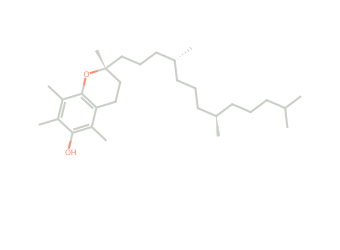
Vitamin E (supplemental alpha-tocopherol)
Major cardiovascular events.
Grade D, tested: in a human randomized trial, the treated group did worse on the endpoint The outcome a trial measures to decide whether the treatment worked, such as heart attacks, blood pressure or a symptom score. graded. How to read a grade →
Vitamin E pills were tested in large studies to prevent cancer. They did not help in any of them. In one large study of healthy men, 400 units a day of a man-made vitamin E raised the risk of prostate cancer over time. So extra vitamin E in pill form did not prevent cancer, and in men it raised prostate cancer risk.
As studied, and the trials
HOPE (Yusuf et al., N Engl J Med, 2000; PMID 10639540): 9,541 people aged 55 and over with vascular disease or diabetes, 400 IU a day of natural vitamin E for a mean 4.5 years; primary events 16.2 against 15.5 percent (relative risk The risk in one group expressed as a share of the risk in another. It can make a small absolute difference look large. 1.05, 0.95 to 1.16). Physicians' Health Study II (Sesso et al., JAMA, 2008; PMID 18997197): 14,641 men, 400 IU every other day for a mean 8 years; major cardiovascular events unchanged (hazard ratio How often an event happened in the treated group compared with the control group over the same period. A ratio of 0.80 means 20 percent fewer events. 1.01, 0.90 to 1.13). Women's Health Study (Lee et al., JAMA, 2005; PMID 15998891): 39,876 women, 600 IU on alternate days for 10 years; major events not significantly changed (relative risk 0.93, 0.82 to 1.05), with fewer cardiovascular deaths (0.76) as a secondary finding. Three large trials, none lowering major cardiovascular events: tested, no benefit.
Read the grade that matches your goal. How EBL grades by use →
A letter describes the human evidence, not the product, the manufacturer, or the ingredient's worth.
See the full evidence record →Tested and harm found: no cancer prevention benefit in any large trial, and more prostate cancer with 400 IU/day in SELECT.
Why this gradeGrade D, tested, harm found. The reasoning, and what the grade does not cover.
Grade D on Route 2 Human randomized trials have been run and did not show benefit on the stated outcome. One of the two routes to the lowest letter on EBL's scale.: tested, harm found. Every large randomized trial of supplemental vitamin E for cancer prevention found no benefit: SELECT (PMID 19066370; PMID 21990298), the Physicians' Health Study II (Gaziano et al., 2009; PMID 19066368; 14,641 men, 400 IU every other day, prostate cancer hazard ratio 0.97), the Women's Health Study (Lee et al., 2005; PMID 15998891; 600 IU of natural vitamin E on alternate days), HOPE-TOO (Lonn et al., 2005; PMID 15769967; 400 IU/day natural vitamin E in vascular disease or diabetes), and the USPSTF pooling of 5 trials (O'Connor et al., 2022; PMID 35727272; cancer incidence odds ratio 1.02). Replicated The same finding reproduced by a separate research group. A result seen once can be chance or bias; a replicated one is harder to explain away. no-benefit is what makes the D solid. The harm badge rests on SELECT: 400 IU/day of synthetic all rac-alpha-tocopheryl acetate in 35,533 healthy men raised prostate cancer significantly on extended follow-up (hazard ratio 1.17, P=0.008, Klein et al., 2011; PMID 21990298). The primary 2009 report had shown a nonsignificant increase (P=0.06), the extended follow-up ran past the date participants stopped their supplements in October 2008, and PHS II did not reproduce the increase at its every-other-day dose. ATBC (PMID 8127329) tested 50 mg/day in male smokers, a different dose and population, and saw fewer prostate cancers; it does not test this use. Other harms in the trials: higher heart failure in HOPE-TOO (relative risk 1.13), and a hemorrhagic stroke signal flagged by the USPSTF review and in pooled trials (Loh et al., 2021; PMID 33109618; RR 1.17, not significant).
WHAT THIS GRADE DOES NOT COVERvitamin E from food, mixed tocopherol and tocotrienol preparations, correction of a documented deficiency, or vitamin E studied in a diagnosed condition such as nonalcoholic steatohepatitis, where the trials and the answer are different and are not summarized here.
A grade describes the human evidence for a named use. It is not advice, and it is not a judgment on any individual prescription. How the letters are decided →
Who responds: this record's trial reading reports no subgroup that identifies who responds.
How this letter has changed · latest: October 2026 · Added
The record graded cancer prevention only. HOPE (Yusuf et al., N Engl J Med, 2000; PMID 10639540), the Physicians' Health Study II (Sesso et al., JAMA, 2008; PMID 18997197) and the Women's Health Study (Lee et al., JAMA, 2005; PMID 15998891), three large randomized trials, did not lower major cardiovascular events, so heart protection now has its own row at D, tested and no benefit. The record's top letter does not change.PMID 10639540 PMID 18997197 PMID 15998891
grade_basis said the prostate finding carries the letter and set ATBC against SELECT as two trials of the same question. ATBC (N Engl J Med, 1994; PMID 8127329) tested 50 mg/day in smokers; it is now labeled a different dose and population. The D now rests on replicated no-benefit: SELECT's primary report (Lippman et al., JAMA, 2009; PMID 19066370), the Physicians' Health Study II (Gaziano et al., JAMA, 2009; PMID 19066368), the Women's Health Study (Lee et al., JAMA, 2005; PMID 15998891), HOPE-TOO (Lonn et al., JAMA, 2005; PMID 15769967) and the USPSTF review (O'Connor et al., JAMA, 2022; PMID 35727272), all added. The SELECT harm stays as the badge, now with its context: nonsignificant at the primary report, significant on follow-up that ran past the end of supplementation, not reproduced by PHS II. HOPE-TOO's heart failure finding and the hemorrhagic stroke signal (Loh et al., Stroke Vasc Neurol, 2021; PMID 33109618) added. D Route 2, harm found, unchanged. Applied the written grade definition under the editor's standing instruction of October 2026 (Arnold Sandlow, D.C.).PMID 15769967 PMID 15998891 PMID 19066368 PMID 19066370 PMID 33109618 PMID 35727272 PMID 8127329
Every change to a letter on this site is dated and published. The full evidence log →
- Dose tested
- 400 IU/day (SELECT); 50 mg/day (ATBC)
- Form
- Alpha-tocopherol
This was not skipped. It was tested in humans, at scale, and the trial did not find a benefit on the endpoint below. That is different from an untested intervention, which may still turn out to work. A Route 1 No human randomized trial has been run, so the record rests on animal or mechanistic evidence only. One of the two routes to the lowest letter on EBL's scale. Grade D means nobody has looked. A Route 2 Grade D means somebody looked and the answer was no.
SELECT (JAMA 2011; PMID 21990298) randomized healthy men to 400 IU/day of all rac-alpha-tocopheryl acetate, selenium, both, or placebo An inactive substitute made to look like the real treatment, so participants cannot tell which one they received.. Vitamin E significantly INCREASED prostate cancer incidence (HR 1.17, 99% CI 1.004-1.36) against 529 cases in the placebo arm. The Physicians' Health Study II (JAMA 2009; PMID 19066368), 400 IU every other day in 14,641 men, found no effect on prostate or total cancer. ATBC (NEJM 1994; PMID 8127329) gave 50 mg/day to male smokers, a different dose and population. The dose and the isolated synthetic form matter; this is not a statement about vitamin E obtained from food.
The cited trials gave vitamin E daily (PMID 21990298, PMID 8127329, PMID 15769967) or every other day (PMID 19066368, PMID 15998891). They do not state a time of day or whether doses were taken with food.
Checked against the full report for 1 of the 5 cited studies, and the published summary for the rest. What the cited trials did, not a schedule. Every supplement, by trial timing →
No validated human outcome to track.
There is no dose section on this page. EBL publishes a dose for an intervention at the dose the trials studied. These trials studied it and it did not work, so there is no dose to publish. There is no dispensary link for the same reason.
Evidence notes: randomized trial
Last reviewed: July 2026
Anyone already at raised bleeding risk. Separation from surgery is the usual clinical margin.
Anticoagulants and antiplatelets, including warfarin, aspirin and clopidogrel. Alpha-tocopherol interferes with vitamin K dependent clotting factors, and pooled trial evidence shows the effect is not symmetrical: hemorrhagic stroke rises while ischemic stroke falls slightly. BTK inhibitors such as ibrutinib impair platelet signaling, and a hematology review of ibrutinib-associated bleeding counts vitamin E among the products patients are cautioned against. No study of the two together was located.
Supplemental vitamin E and hemorrhagic stroke. In a meta-analysis A study that pools the numbers from several trials into one combined estimate. of nine randomized placebo-controlled trials, supplemental vitamin E raised hemorrhagic stroke by about 22% while lowering ischemic stroke by about 10%, which is the basis of the bleeding caution rather than case reports. Two later meta-analyses did not find a significant rise from vitamin E alone; the more recent found one only when vitamin E was given together with other antioxidants. Schürks et al. (BMJ, 2010; PMID 21051774): meta-analysis of 9 randomized placebo-controlled trials, 118,765 participants, vitamin E and stroke subtypes. Bin et al. (Thrombosis and Haemostasis, 2011; PMID 21264448): meta-analysis of 13 randomized trials of vitamin E and stroke. Maggio et al. (Nutrition Reviews, 2024; PMID 37698992): meta-analysis of 16 randomized trials of vitamin E alone or with other antioxidants and stroke.
Vitamin E and ibrutinib: both bear on bleeding. Ibrutinib impairs several platelet signaling pathways and carries a higher bleeding risk than standard chemotherapy. A hematology review of ibrutinib-associated bleeding counts vitamin E, with fish oils, NSAIDs and aspirin-containing products, among the products patients on ibrutinib are cautioned against. In a meta-analysis of randomized trials, supplemental vitamin E on its own raised hemorrhagic stroke by about 22%. A PubMed search in October 2026 located no study giving vitamin E with a BTK inhibitor. Shatzel et al. (Journal of Thrombosis and Haemostasis, 2017; PMID 28182323): review of ibrutinib-associated bleeding, its pathogenesis, management and risk reduction. Schürks et al. (BMJ, 2010; PMID 21051774): meta-analysis of 9 randomized placebo-controlled trials of vitamin E and stroke subtypes.
Educational use only · Not medical advice · EBL grades published human evidence and does not recommend treatment. Stopping a prescription is a decision for your physician. · Privacy · Disclosure · Terms · Accessibility
Evidence Based Longevity, Inc. is owner-operated and edited by Arnold Sandlow, D.C., a California-licensed chiropractor. Evidence Based Longevity publishes in English only · Machine translations are not produced or reviewed by EBL for accuracy
© Evidence Based Longevity, Inc.. All rights reserved
Primary evidenceEight papers, each linked to its PubMed record.
SELECT, Lippman et al. (JAMA, 2009; PMID 19066370): 35,533 healthy men, 400 IU/day all rac-alpha-tocopheryl acetate; no prevention of prostate or any prespecified cancer, with a nonsignificant prostate cancer increase (P=0.06). SELECT, Klein et al. (JAMA, 2011; PMID 21990298): extended follow-up through July 2011, after supplements were stopped in October 2008; prostate cancer increased significantly (hazard ratio 1.17, 99% CI 1.004 to 1.36, P=0.008), 1.6 more cases per 1,000 person-years. Physicians' Health Study II, Gaziano et al. (JAMA, 2009; PMID 19066368): 14,641 male physicians, 400 IU synthetic vitamin E every other day for a mean 8 years; prostate cancer hazard ratio 0.97 and total cancer unchanged. Women's Health Study, Lee et al. (JAMA, 2005; PMID 15998891): 39,876 women, 600 IU natural vitamin E on alternate days for 10 years; no effect on total cancer or major cardiovascular events. HOPE-TOO, Lonn et al. (JAMA, 2005; PMID 15769967): 400 IU/day natural vitamin E in people with vascular disease or diabetes; no effect on cancer incidence or death, higher heart failure (RR 1.13) and heart failure hospitalization. O'Connor et al. (JAMA, 2022; PMID 35727272), USPSTF evidence review: vitamin E not associated with cancer incidence (5 trials) or mortality (9 trials); hemorrhagic stroke flagged as a possible serious harm. Loh et al. (Stroke Vasc Neurol, 2021; PMID 33109618): 18 trials, hemorrhagic stroke RR 1.17 (0.98 to 1.39), ischemic stroke slightly lower. Alpha-Tocopherol Beta-Carotene (ATBC) Study Group, group-authored (New England Journal of Medicine, 1994; PMID 8127329): 29,133 male smokers, 50 mg/day, a different dose and population; no reduction in lung cancer, fewer prostate cancers, more deaths from hemorrhagic stroke. D Route 2: tested, no benefit in any large trial, with a prostate cancer harm in SELECT.
This page carries a letter. EBL takes no commission, referral fee or payment of any kind on anything it grades. No letter has been bought and none is for sale.
How this is enforced
That is not a promise, it is a build condition. Two checks run on every deploy: one refuses to publish if a commission is claimed on anything graded, the other refuses if a page names a commercial relationship that is not declared in the register. If either fails, this page does not go live. You can read how the checks work, and what they do not cover, on the evidence integrity page.
These statements have not been evaluated by the Food and Drug Administration. This product is not intended to diagnose, treat, cure, or prevent any disease. The grade on this page describes the strength of published human trial evidence in the populations studied. It is not a recommendation for any individual and is not medical advice. Starting, stopping or changing any supplement or medication is a decision for your physician.
How EBL searched for the trials (1 search)
The search that was run, what it returned, and what was left out and why, so the absence of evidence can be checked as well as its presence.
("vitamin E"[tiab] OR tocopherol[tiab]) AND (prostate cancer[tiab] OR "cancer prevention"[tiab] OR "total cancer"[tiab]) AND (randomized controlled trial[pt] OR meta-analysis[pt]) AND humans[mesh]Grades move when new trials publish. A free monthly email lists every grade EBL moved, with the reason and the trial behind it: the sign-up is on the Evidence Log →