Supplement
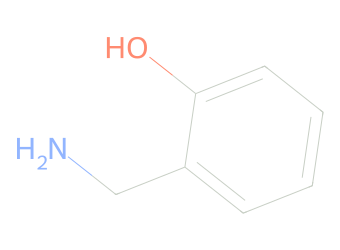
2-HOBA (2-Hydroxybenzylamine)
Atrial fibrillation recurrence after catheter ablation.
Grade D, tested: in a human randomized trial, the treated group did worse on the endpoint The outcome a trial measures to decide whether the treatment worked, such as heart attacks, blood pressure or a symptom score. graded. How to read a grade →
2-HOBA is a compound from buckwheat, sold to calm swelling in the body and support healthy aging. No study has tested it on health in healthy people. The one study on a real health outcome gave it to people after a heart rhythm procedure. More of them had the irregular heartbeat come back than people taking a dummy pill, and the study was stopped early.
As studied, and the trials
Yoneda et al. (Circ Arrhythm Electrophysiol, 2025; PMID PubMed ID: the permanent number the US National Library of Medicine gives a published paper. Each one links to that paper's record on PubMed. 40709466): recurrence 60.5 percent on 2-HOBA against 35.9 percent on placebo An inactive substitute made to look like the real treatment, so participants cannot tell which one they received., adjusted odds ratio 3.65. Tested, and the treated arm did worse: D on Route 2 Human randomized trials have been run and did not show benefit on the stated outcome. One of the two routes to the lowest letter on EBL's scale. with the harm badge.
Read the grade that matches your goal. How EBL grades by use →
- Dose studied
- 750 mg three times daily, as studied
- Form graded
- 2-HOBA acetate
- Evidence behind the D
- PMID 40709466 →
A letter describes the human evidence, not the product, the manufacturer, or the ingredient's worth.
See the full evidence record →Investigators: The single trial this Grade D rests on was run by investigators employed by, founded by, or belonging to the organization that developed, sells or teaches the intervention (a co-author is employed by the company that licenses 2-HOBA and holds 2-HOBA patents). The funder may read non-commercial; the people who ran the trial are part of the organization whose intervention they tested, which is stated here so it can be weighed alongside the letter.
This was not skipped. A human randomized trial has tested it and did not find a benefit on the endpoint below. That is a different statement from an untested intervention, which may still turn out to work. A Route 1 No human randomized trial has been run, so the record rests on animal or mechanistic evidence only. One of the two routes to the lowest letter on EBL's scale. Grade D means nobody has looked. A Route 2 Grade D means somebody looked and the answer was no.
Population 93 adults randomized, 82 analyzed, undergoing atrial fibrillation ablation; 750 mg three times daily against placebo
Certainty Low to moderate. One single-center pilot trial stopped early for futility; the harm was pre-specified and survived post hoc adjustment, and did not persist after the drug was stopped.
PMID 40709466 →
2-HOBA (2-Hydroxybenzylamine) for inflammation and aging; its one clinical trial found more atrial fibrillation than placebo.
Why this gradeGrade D, tested, harm found. The reasoning, and what the grade does not cover.
Grade D on Route 2 with the harm badge. The only randomized trial on a clinical outcome is Yoneda et al. (2025; PMID 40709466): in 82 analyzed adults undergoing atrial fibrillation ablation, recurrence in the 28 days on treatment was 60.5 percent on 2-HOBA against 35.9 percent on placebo (adjusted odds ratio 3.65), and the trial was stopped early for futility.
WHAT THIS GRADE DOES NOT COVER2-HOBA is sold for inflammation and healthy aging, and no randomized trial has tested either on a clinical outcome; the healthy-volunteer studies measured safety, blood levels and immune proteins only (PMID 31907026, PMID 36935449), and the protective findings come from mice.
A grade describes the human evidence for a named use. It is not advice, and it is not a judgment on any individual prescription. How the letters are decided →
Who responds: this record's trial reading reports no subgroup that identifies who responds.
How this letter has changed · latest: October 2026 · Corrected
2-HOBA is sold for inflammation and healthy aging and was offered at a longevity conference by a sponsor, so it now has a record. Its only randomized trial on a clinical outcome, Yoneda et al. (Circ Arrhythm Electrophysiol, 2025; PMID 40709466), found atrial fibrillation came back more often on 2-HOBA than on placebo after ablation (60.5 against 35.9 percent). The healthy-volunteer studies (Pitchford et al., BMC Pharmacol Toxicol, 2020; PMID 31907026; Rathmacher et al., Inflammation, 2023; PMID 36935449) measured safety and blood markers only. Grade D on Route 2 with the harm badge, under the written definition.PMID 40709466 PMID 31907026 PMID 36935449
Every change to a letter on this site is dated and published. The full evidence log →
Commercial disclosure
EBL earns no commission on any supplement it grades. The dispensary is Fullscript, a practitioner dispensary, and many of the professional-grade brands in it are sold mainly through practitioners rather than in health food stores. Grades are assigned by published rubric before any commercial relationship exists and are never influenced by one. Full disclosure.
No dose has shown a benefit. As studied: 500 or 750 mg every eight hours for two weeks in healthy volunteers (safety and blood levels only, PMID 31907026); 750 mg three times daily from 3 days before to 28 days after atrial fibrillation ablation (PMID 40709466).
The trials used 2-HOBA acetate taken by mouth (PMID 31907026, PMID 40709466).
Both randomized trials gave 2-HOBA at fixed intervals: every eight hours in healthy volunteers (PMID 31907026) and three times daily around atrial fibrillation ablation (PMID 40709466). Neither report ties dosing to meals.
Checked against the full report for 1 of the 2 cited studies, and the published summary for the rest. What the cited trials did, not a schedule. Every supplement, by trial timing →
Atrial fibrillation, especially around an ablation procedure: in the only trial on a clinical outcome, atrial fibrillation came back more often on 2-HOBA than on placebo during the 28 days it was taken (PMID 40709466).
No drug interaction has been identified in a human study. 2-HOBA did not interfere with cyclooxygenase function in healthy volunteers (PMID 31907026), and its trials excluded people taking colchicine, steroids or amiodarone, so its effect alongside those drugs is untested.
2-HOBA and cyclooxygenase; drugs excluded from its trials. 2-HOBA did not interfere with cyclooxygenase function in healthy volunteers. Its atrial fibrillation trial excluded people taking colchicine, steroids or amiodarone, so its effect alongside those drugs is untested. Pitchford et al. (BMC Pharmacol Toxicol, 2020; PMID 31907026): repeated oral 2-HOBA did not interfere with cyclooxygenase function. Yoneda et al. (Circ Arrhythm Electrophysiol, 2025; PMID 40709466): exclusion criteria listed current colchicine or steroid use and amiodarone within 3 months.
There is no validated marker for 2-HOBA's claimed effect. In the atrial fibrillation trial, blood isolevuglandin levels did not differ between 2-HOBA and placebo (PMID 40709466).
Primary evidenceThree papers, each linked to its PubMed record.
Yoneda et al. (Circ Arrhythm Electrophysiol, 2025; PMID 40709466): randomized, double-blind, placebo-controlled pilot trial, 93 adults randomized and 82 analyzed, 750 mg three times daily from 3 days before to 28 days after atrial fibrillation ablation; recurrence in the first 28 days was 60.5 percent on 2-HOBA against 35.9 percent on placebo (adjusted odds ratio 3.65, 95% CI 1.31 to 10.16); isolevuglandin levels did not differ; no difference over 12 months after the drug was stopped; enrollment stopped early for futility. Funded by the American Heart Association; an author is employed by the company that licenses 2-HOBA and holds 2-HOBA patents; the paper states that company had no role in design or analysis. Pitchford et al. (BMC Pharmacol Toxicol, 2020; PMID 31907026): randomized, double-blind, placebo-controlled safety and pharmacokinetics trial in healthy volunteers, 500 or 750 mg every eight hours for two weeks; safe and well tolerated; no efficacy outcome; authors employed by the company that licenses 2-HOBA. Rathmacher et al. (Inflammation, 2023; PMID 36935449): 15 days of 2-HOBA in two healthy cohorts, changes in 15 plasma immune proteins on a targeted panel; not a randomized comparison and no clinical outcome; authors employed by the company that licenses 2-HOBA. D Route 2 with the harm badge: the basis is Yoneda 2025, the only randomized trial on a clinical outcome.
Educational use only · Not medical advice · Starting, stopping or changing any supplement or medication is a decision for your physician
These statements have not been evaluated by the Food and Drug Administration. This product is not intended to diagnose, treat, cure, or prevent any disease. The grade on this page describes the strength of published human trial evidence in the populations studied. It is not a recommendation for any individual and is not medical advice. Starting, stopping or changing any supplement or medication is a decision for your physician.
This page carries a letter. EBL takes no commission, referral fee or payment of any kind on anything it grades. No letter has been bought and none is for sale.
How this is enforced
That is not a promise, it is a build condition. Two checks run on every deploy: one refuses to publish if a commission is claimed on anything graded, the other refuses if a page names a commercial relationship that is not declared in the register. If either fails, this page does not go live. You can read how the checks work, and what they do not cover, on the evidence integrity page.
How EBL searched for the trials (1 search)
The search that was run, what it returned, and what was left out and why, so the absence of evidence can be checked as well as its presence.
("2-hydroxybenzylamine"[tiab] OR "2-HOBA"[tiab] OR hobamine[tiab]) AND humans[mh]Grades move when new trials publish. A free monthly email lists every grade EBL moved, with the reason and the trial behind it: the sign-up is on the Evidence Log →