Supplement · graded by use, three uses
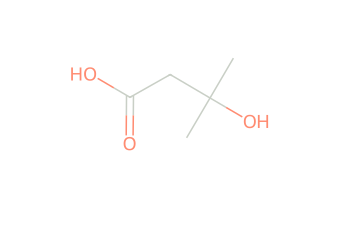
HMB (Beta-Hydroxy Beta-Methylbutyrate)
Muscle mass and handgrip strength in adults with diagnosed sarcopenia Age-related loss of muscle mass and strength..
Grade C: human trials exist, but they are small, mixed or not yet repeated. This is not a finding that it does not work. How to read a grade →
HMB is made in the body when it breaks down leucine, a building block of protein. In people with serious age-related muscle loss, reviews disagree. One found more muscle and a stronger grip. Another found about 1 kilogram more grip strength and no gain in muscle. In older adults without muscle loss, gains were small. In young men who already lift weights, it did not help.
The C belongs to one of the three uses graded on this record. The other two carry their own letters.
As studied, and the trials
Gu et al. (Maturitas, 2025; PMID PubMed ID: the permanent number the US National Library of Medicine gives a published paper. Each one links to that paper's record on PubMed. 39999663): meta-analysis A study that pools the numbers from several trials into one combined estimate. of five randomized trials in diagnosed sarcopenia; handgrip strength higher (SMD 0.65, 95% CI 0.05 to 1.25), skeletal muscle mass index higher (SMD 0.32, 95% CI 0.00 to 0.64), gait speed unchanged. The individual placebo-controlled trials: Yang et al. (J Nutr Health Aging, 2023; PMID 37248756), 34 adults aged 60 and over in China, HMB or placebo An inactive substitute made to look like the real treatment, so participants cannot tell which one they received. for 12 weeks with resistance training in both arms, double-blind Neither the participants nor the people assessing them know who received the real treatment until the trial ends.; handgrip, the primary outcome, 4.6 kg higher, with faster gait and chair stands and no change in muscle mass. Meza-Valderrama et al. (Arch Gerontol Geriatr, 2024; PMID 38171034), older adults after post-acute rehabilitation in Barcelona, 3 g/day calcium HMB or placebo with resistance training, double-blind; the Short Physical Performance Battery improved, and handgrip improved in women only. Handgrip, an instrument-measured endpoint The outcome a trial measures to decide whether the treatment worked, such as heart attacks, blood pressure or a symptom score. that would qualify for A, is positive across the whole sample in one trial and in a subgroup of the other, and the pooled gait speed is null, so the benefit on the qualifying endpoint is not replicated The same finding reproduced by a separate research group. A result seen once can be chance or bias; a replicated one is harder to explain away. across independent groups: Two further pooled analyses read in October 2026 do not support it: Su et al. (Front Med, 2024; PMID 39071082), six trials in sarcopenia, handgrip 1.26 kg higher and no difference in muscle mass; Hernandez-Martinez et al. (Medicine, 2026; PMID 42700006), seven trials of strength training with supplements in sarcopenia, no significant handgrip gain where HMB was added to training. Pooled analyses disagree and the effect is about 1 kg of grip: mixed, C under the written definition. Trials of HMB inside fortified foods or multi-ingredient supplements (Nasimi et al., 2021; PMID 33067129) do not test HMB alone, and HMB alone did not improve function in intensive care patients (Wu et al., 2023; PMID 38102705).
As studied, and the trials
Pooled analyses disagree. Li et al. (Front Nutr, 2025; PMID 40248035): 21 trials, 1,935 participants over 50; small gains in appendicular muscle mass, lean mass, handgrip (0.54 kg) and gait speed. Wang et al. (Age Ageing, 2026; PMID 41934514): 13 trials, 561 adults aged 50 and over doing resistance training; no added effect on muscle mass (SMD 0.05) or strength (SMD 0.04). Osuka et al. (Am J Clin Nutr, 2021; PMID 34081113): 156 women aged 65 to 79 with low muscle mass, factorial trial; no HMB effect on muscle mass, the primary outcome. Positive and null poolings side by side: mixed, C.
As studied, and the trials
Tritto et al. (Int J Sport Nutr Exerc Metab, 2019; PMID 30859862): 44 resistance-trained men, HMB free acid or calcium HMB 3 g/day for 12 weeks; no effect on strength or hypertrophy against placebo. Tested in the population the product is most marketed to and no benefit: D on Route 2 Human randomized trials have been run and did not show benefit on the stated outcome. One of the two routes to the lowest letter on EBL's scale..
Read the grade that matches your goal. How EBL grades by use →
- Dose studied
- 3 g/day
- Form graded
- Calcium-HMB or free-acid HMB
- Evidence behind the C
- PMID 39999663 →PMID 37248756 →PMID 38171034 →PMID 33067129 →
A letter describes the human evidence, not the product, the manufacturer, or the ingredient's worth.
See the full evidence record →HMB for muscle mass and handgrip strength in diagnosed sarcopenia, five pooled randomized trials.
Why this gradeGrade C, small or unreplicated trials. The reasoning, and what the grade does not cover.
Grade C on every use. The strongest is muscle mass and handgrip strength in adults with diagnosed sarcopenia, where Gu et al. (Maturitas, 2025; PMID 39999663) pooled five randomized trials, four at low risk of bias, and found skeletal muscle mass index (SMD 0.32) and handgrip strength (SMD 0.65) higher and gait speed unchanged. WHY NOT HIGHER, under the written definition: handgrip is an instrument-measured endpoint that qualifies for A, but in the individual placebo-controlled trials it improved across the whole sample in one (Yang et al., 2023; PMID 37248756) and only in women in the other (Meza-Valderrama et al., 2024; PMID 38171034), and the pooled gait speed did not move; and two further pooled analyses disagree with Gu: Su et al. (2024; PMID 39071082) found about 1 kg of grip and no change in muscle mass, and Hernandez-Martinez et al. (2026; PMID 42700006) found no handgrip gain where HMB was added to training. Pooled analyses that disagree are C (from B in October 2026). In both trials HMB was added to resistance training that both arms received.
THE OTHER TWO POPULATIONS CARRY THEIR OWN LETTERSin adults over 50 without sarcopenia the poolings disagree (Li et al., 2025; PMID 40248035, small gains; Wang et al., 2026; PMID 41934514, no added effect with resistance training) and the largest factorial trial was null on muscle mass (Osuka et al., 2021; PMID 34081113), which is C; in resistance-trained young men one trial of both forms found no effect on strength or hypertrophy (Tritto et al., 2019; PMID 30859862), which is D on Route 2.
WHAT THIS GRADE DOES NOT COVERpatients with active cancer, where the review on this record (Prado et al., 2022; PMID 35301826) mixes HMB into multi-ingredient nutritional supplements and does not pool; HMB combined with vitamin D (Rathmacher et al., 2020; PMID 32857128), a combination; and any claim about healthy younger adults who do not train.
A grade describes the human evidence for a named use. It is not advice, and it is not a judgment on any individual prescription. How the letters are decided →
Trials report an average. This box says whether any trial on this record looked at who the result applies to, and what it found.
For Muscle mass and handgrip strength in adults with diagnosed sarcopenia, Grade C · Subgroup tested, effect differedMeza-Valderrama et al. (Arch Gerontol Geriatr, 2024; PMID 38171034) found handgrip improved in women only; Yang et al. (J Nutr Health Aging, 2023; PMID 37248756) found it improved across the whole sample. A subgroup result shows who the effect appeared in within these trials. It does not change the letter.
As studied: dose, form, population and duration for every use
A grade describes the intervention that was tested. Where the product on the shelf differs from it, this says so.
How this letter has changed · latest: October 2026 · Downgraded
Su et al. (Front Med, 2024; PMID 39071082) pooled six trials in sarcopenia: handgrip 1.26 kg higher, muscle mass unchanged. Hernandez-Martinez et al. (Medicine, 2026; PMID 42700006) pooled seven trials of strength training with supplements: no significant handgrip gain where HMB was added to training. With Gu et al. (2025; PMID 39999663) positive, the pooled analyses disagree, which is C under the written definition. Every other use on the record is already C or D, so the headline is C.PMID 39071082 PMID 42700006 PMID 39999663
The sarcopenia use rested on a pooled analysis (Gu et al., Maturitas, 2025; PMID 39999663) and was held below A by judgment. The placebo-controlled trials were read individually: Yang et al. (J Nutr Health Aging, 2023; PMID 37248756) found handgrip 4.6 kg higher across the whole sample; Meza-Valderrama et al. (Arch Gerontol Geriatr, 2024; PMID 38171034) found it higher in women only. Handgrip qualifies for A, but a benefit not replicated across independent groups is B under the written definition, so B stands, now for that stated reason. Nasimi et al. (J Am Med Dir Assoc, 2021; PMID 33067129) tested a fortified food, and Wu et al. (Crit Care, 2023; PMID 38102705) found no effect of HMB alone in intensive care. Applied the written grade definition at the editor's request of October 2026 (Arnold Sandlow, D.C.).PMID 33067129 PMID 37248756 PMID 38102705 PMID 38171034 PMID 39999663
The headline C bundled three populations whose evidence points three ways. The written rule grades by use: in diagnosed sarcopenia, Gu et al. (Maturitas, 2025; PMID 39999663) pool five randomized trials with higher muscle mass index and handgrip strength, replicated randomized evidence on an instrument-measured outcome, B; in adults over 50 without sarcopenia the poolings disagree (Li et al., 2025; PMID 40248035; Wang et al., 2026; PMID 41934514) and the largest factorial trial was null (Osuka et al., 2021; PMID 34081113), C; in resistance-trained young men the one trial found no effect (Tritto et al., 2019; PMID 30859862), D Route 2. The headline follows the best use to B. The sarcopenia row is held at B rather than A by a stated judgment about the width of the pooled confidence intervals The range the true effect probably falls in. A wide interval means the estimate is uncertain., which the editor may overrule. Applied the written grade definition under the editor's standing instruction of October 2026 (Arnold Sandlow, D.C.).PMID 30859862 PMID 34081113 PMID 39999663 PMID 40248035 PMID 41934514
The only citation, Prado 2022 (PMID 35301826), is a vote-counting review of patients with active cancer in which 73 percent of studies gave HMB combined with amino acids, with authors employed by or paid by a maker of HMB-containing oral nutritional supplements; the ref attributed to it findings in older and trained adults it never studied. It is relabeled. The record now rests on the population-specific evidence: Li 2025 (PMID 40248035), small gains in adults over 50; Wang 2026 (PMID 41934514), no added benefit with resistance training; Osuka 2021 (PMID 34081113), null primary in older women with low muscle mass; Gu 2025 (PMID 39999663), small gains in diagnosed sarcopenia; Tritto 2019 (PMID 30859862), null in trained men. Rathmacher 2020 (PMID 32857128) is context as a manufacturer-authored combination trial. Dose and form are stated. Letter unchanged; a split by population is on the decision sheet.PMID 35301826 PMID 40248035 PMID 41934514 PMID 34081113 PMID 39999663 PMID 30859862 PMID 32857128
Every change to a letter on this site is dated and published. The full evidence log →
Commercial disclosure
EBL earns no commission on any supplement it grades. A purchase made through the dispensary link below pays EBL nothing, the practitioner discount goes to you in full. The dispensary is Fullscript, a practitioner dispensary, and many of the professional-grade brands in it are sold mainly through practitioners rather than in health food stores. Grades are assigned by published rubric before any commercial relationship exists and are never influenced by one. Full disclosure.
Calcium HMB 3 g/day is the dose in most positive trials; the null older-women trial used 1.5 g/day. Several trials gave HMB with vitamin D, arginine, glutamine or whey, or inside oral nutritional supplements, and those cannot isolate HMB.
Standardized extracts/forms were used in the cited trials; product quality varies.
The trials gave HMB daily, in most cases 3 g of calcium HMB (PMID 30859862) or 1.5 g (PMID 34081113), without a stated time of day; the pooled analyses do not report timing (PMID 40248035, PMID 41934514).
Checked against the published summaries; the full papers could not be read. What the cited trials did, not a schedule. Every supplement, by trial timing →
No prominent contraindication at studied doses.
No prominent drug interaction has been identified. HMB is a leucine metabolite and the doses studied sit within the range the body produces endogenously from ordinary protein intake.
Nineteen records, and the abbreviation matched other things entirely. This one is a lesson in reading the hits rather than counting them. Nineteen records returned in August 2026 and none is about beta-hydroxy-beta-methylbutyrate interacting with a drug. The three-letter abbreviation matched a perfusion host-microbe bioreactor, a hormone fixed-dose combination study and a warfarin and norethindrone case series. The one on-topic paper is a bioavailability The share of a dose that reaches the bloodstream in a form the body can use. comparison of the calcium salt against the free acid. The record's reasoning stands: HMB is a leucine metabolite at doses the body already produces from ordinary protein intake. Basis: pharmacological mechanism, not a human study. Searched PubMed in August 2026: 1 query, 19 human results.
Lean mass by DEXA or BIA at baseline and 8 weeks. Upper and lower body strength (grip strength, leg press) at baseline and every 6 weeks. HMB benefit is most documented in untrained older adults beginning resistance training: expect smaller effects in already-trained individuals. Free acid (HMB-FA) has faster absorption than calcium HMB (CaHMB).
Primary evidenceEleven papers, each linked to its PubMed record.
Older adults: Li et al. (Front Nutr, 2025; PMID 40248035): meta-analysis of 21 randomized trials, 1,935 participants over 50; appendicular skeletal muscle mass 1.56 kg and lean mass 0.28 kg higher, handgrip 0.54 kg higher, gait speed 0.06 m/s faster, small effects. Wang et al. (Age Ageing, 2026; PMID 41934514): meta-analysis of 13 randomized trials, 561 adults aged 50 and over doing resistance training; no added effect of HMB on fat mass, muscle mass (SMD 0.05) or strength (SMD 0.04). Osuka et al. (Am J Clin Nutr, 2021; PMID 34081113): 156 women aged 65 to 79 with low muscle mass, 2 by 2 factorial, calcium HMB 1.5 g/day with or without twice-weekly resistance training for 12 weeks; no interaction and no HMB effect on muscle mass, the primary outcome, while exercise improved gait speed and strength. Sarcopenia: Gu et al. (Maturitas, 2025; PMID 39999663): meta-analysis of 5 randomized trials in diagnosed sarcopenia; skeletal muscle mass index (SMD 0.32) and handgrip (SMD 0.65) higher, gait speed unchanged. Trained adults: Tritto et al. (Int J Sport Nutr Exerc Metab, 2019; PMID 30859862): 44 resistance-trained men, HMB free acid or calcium HMB 3 g/day for 12 weeks; no effect on strength or hypertrophy against placebo. Cancer: Prado et al. (J Cachexia Sarcopenia Muscle, 2022; PMID 35301826): systematic review A review that searches for every study on a question using a method set in advance, then assesses them together. of 15 studies in patients with active cancer only, synthesized by vote counting on direction of effect without meta-analysis; 73 percent of studies gave HMB combined with amino acids, mostly inside oral nutritional supplements; one author is employed by, and others have consulted for or been funded by, a maker of HMB-containing oral nutritional supplements. It cannot support claims about older or trained adults and does not grade HMB alone. Context: Rathmacher et al. (J Gerontol A, 2020; PMID 32857128) tested calcium HMB with vitamin D3 in older adults with low vitamin D and is authored from the HMB manufacturer; a combination, not HMB alone. Grade C: small pooled effects in older adults set against a null pooled analysis with resistance training and a null primary in the largest factorial trial. Sarcopenia trials read individually: Yang et al. (J Nutr Health Aging, 2023; PMID 37248756), 34 older adults, double-blind, HMB with resistance training against placebo with training, handgrip 4.6 kg higher; Meza-Valderrama et al. (Arch Gerontol Geriatr, 2024; PMID 38171034), double-blind, 3 g/day after post-acute rehabilitation, physical performance battery improved and handgrip in women only; Nasimi et al. (J Am Med Dir Assoc, 2021; PMID 33067129), yogurt fortified with HMB and vitamins D and C, a combination; Wu et al. (Crit Care, 2023; PMID 38102705), HMB alone in medical intensive care patients, no change in function.
Educational use only · Not medical advice · Starting, stopping or changing any supplement or medication is a decision for your physician
These statements have not been evaluated by the Food and Drug Administration. This product is not intended to diagnose, treat, cure, or prevent any disease. The grade on this page describes the strength of published human trial evidence in the populations studied. It is not a recommendation for any individual and is not medical advice. Starting, stopping or changing any supplement or medication is a decision for your physician.
This page carries a letter. EBL takes no commission, referral fee or payment of any kind on anything it grades. No letter has been bought and none is for sale.
How this is enforced
That is not a promise, it is a build condition. Two checks run on every deploy: one refuses to publish if a commission is claimed on anything graded, the other refuses if a page names a commercial relationship that is not declared in the register. If either fails, this page does not go live. You can read how the checks work, and what they do not cover, on the evidence integrity page.
How EBL searched for the trials (1 search)
The search that was run, what it returned, and what was left out and why, so the absence of evidence can be checked as well as its presence.
("beta-hydroxy-beta-methylbutyrate"[tiab] OR HMB[tiab]) AND muscle[tiab] AND (randomized controlled trial[pt] OR meta-analysis[pt])Grades move when new trials publish. A free monthly email lists every grade EBL moved, with the reason and the trial behind it: the sign-up is on the Evidence Log →