Supplement · graded by use, six uses
Exogenous Ketones (Ketone Esters and Salts)
Blood glucose after a meal or glucose drink.
Grade C: human trials exist, but they are small, mixed or not yet repeated. This is not a finding that it does not work. How to read a grade →
Ketone drinks raise the level of ketones in the blood without fasting or a strict low-carb diet. A single drink lowered blood sugar after a meal in many small studies. In two short studies from one hospital, the heart pumped more blood in people with heart failure. They did not improve exercise in another form of heart failure. They also did not help endurance, migraines or blood pressure.
The C belongs to one of the six uses graded on this record. The other five carry their own letters.
As studied, and the trials
Falkenhain et al. (Adv Nutr, 2022; PMID PubMed ID: the permanent number the US National Library of Medicine gives a published paper. Each one links to that paper's record on PubMed. 35380602): systematic review A review that searches for every study on a question using a method set in advance, then assesses them together. and meta-analysis A study that pools the numbers from several trials into one combined estimate. of 43 trials, 586 participants; a single dose of exogenous ketones lowered blood glucose by 0.47 mmol/L against a comparator (95% CI 0.36 to 0.57), more with ketone monoesters than with salts; limited evidence on longer use. Monteyne et al. (Diabetologia, 2024; PMID 38483543): randomized double-blind Neither the participants nor the people assessing them know who received the real treatment until the trial ends. crossover A trial design in which each participant receives both the treatment and the comparison, one after the other, and serves as their own control., 10 adults with type 2 diabetes, 0.5 g/kg ketone monoester before a mixed meal; 2-hour glucose about 18 percent lower than placebo An inactive substitute made to look like the real treatment, so participants cannot tell which one they received., with no change in insulin; funded by Canadian and UK research councils. Walsh et al. (J Clin Endocrinol Metab, 2021; PMID 33367782): randomized crossover, 14 adults with obesity, 12 g of beta-hydroxybutyrate as a monoester before each meal for 14 days; postprandial glucose 8.0 percent and 24-hour average glucose 7.8 percent lower than placebo on continuous glucose monitoring. Glucose after a meal is a measured marker; the B definition admits a glycemic marker as an established stand-in in the form of HbA1c A blood test that reflects average blood sugar over the previous two to three months., and no trial has measured HbA1c, so the use stays at C.
As studied, and the trials
Berg-Hansen et al. (Circulation, 2024; PMID 38533643): randomized double-blind crossover, 24 adults with heart failure with reduced ejection fraction, ketone ester four times daily for 14 days against an isocaloric comparator; resting cardiac output 0.3 L/min higher and wedge pressure 2 mm Hg lower. Gopalasingam et al. (Circulation, 2024; PMID 39162035): randomized double-blind crossover, 24 adults with type 2 diabetes and heart failure with preserved ejection fraction, 25 g four times daily for 2 weeks; cardiac output 0.2 L/min higher and filling pressure lower than placebo. Liao et al. (Heart, 2026; PMID 40957670): meta-analysis of six randomized trials of ketone supplementation in heart failure; left ventricular ejection fraction 3.1 percentage points higher, with low to high certainty. Both trials come from one center, run two weeks, and measure hemodynamics rather than hospitalization or death; cardiac output is not an established stand-in for a clinical outcome. C.
As studied, and the trials
Selvaraj et al. (JACC Heart Fail, 2025; PMID 40243975): randomized placebo-controlled crossover, 20 adults with heart failure with preserved ejection fraction, acute ketone ester; peak oxygen uptake and constant-load endurance unchanged; NIH and foundation funded. Tested on the functional outcome and no benefit: D on Route 2 Human randomized trials have been run and did not show benefit on the stated outcome. One of the two routes to the lowest letter on EBL's scale..
As studied, and the trials
Brooks et al. (Int J Sport Nutr Exerc Metab, 2022; PMID 35042186): meta-analysis of 8 randomized trials, 80 participants; acute ketone monoesters and precursors did not improve endurance performance (Hedges g 0.14, 95% CI -0.20 to 0.47). D on Route 2.
As studied, and the trials
Putananickal et al. (Cephalalgia, 2022; PMID 34541914): randomized double-blind crossover, 41 adults with episodic migraine, DL-beta-hydroxybutyrate for 12 weeks per period; migraine days and intensity no different from placebo (mean difference -1.1 days, 95% CI -5.07 to 2.85). One author later founded a company selling a beta-hydroxybutyrate product for migraine. Tested on the outcome it is sold for and no benefit: D on Route 2.
As studied, and the trials
Marcotte-Chenard et al. (J Diet Suppl, 2024; PMID 38145410): meta-analysis of 10 acute and chronic studies, 187 participants; no change in systolic or diastolic blood pressure, with a tendency toward higher resting heart rate at higher doses. Blood pressure is an established stand-in, and it did not move: D on Route 2.
Read the grade that matches your goal. How EBL grades by use →
A letter describes the human evidence, not the product, the manufacturer, or the ingredient's worth.
See the full evidence record →Investigators: The single trial this Grade D for Migraine prevention rests on was run by investigators employed by, founded by, or belonging to the organization that developed, sells or teaches the intervention (a co-author founded a company that sells a beta-hydroxybutyrate product for migraine). The funder may read non-commercial; the people who ran the trial are part of the organization whose intervention they tested, which is stated here so it can be weighed alongside the letter.
Blood glucose after a meal and heart failure hemodynamics (C). Endurance, migraine and blood pressure: tested, no benefit (D).
Why this gradeGrade C, small or unreplicated trials. The reasoning, and what the grade does not cover.
Grade C, the record's best uses: blood glucose after a meal or glucose drink, lower in a meta-analysis of 43 trials (Falkenhain et al., Adv Nutr, 2022; PMID 35380602) and in randomized trials in type 2 diabetes and obesity (PMID 38483543, PMID 33367782); and cardiac output in heart failure, higher in two two-week crossover trials from one center (PMID 38533643, PMID 39162035).
WHY NOT Bboth are measured markers that are not established stand-ins for a clinical outcome; for glucose the established stand-in is HbA1c, which no trial has measured, and no heart failure trial has measured hospitalization or death.
WHAT THIS GRADE DOES NOT COVERendurance performance (PMID 35042186), migraine prevention (PMID 34541914), blood pressure (PMID 38145410) and exercise capacity in heart failure (PMID 40243975) were tested without benefit, D on Route 2.
A grade describes the human evidence for a named use. It is not advice, and it is not a judgment on any individual prescription. How the letters are decided →
Who responds: this record's trial reading reports no subgroup that identifies who responds.
As studied: dose, form, population and duration for every use
A grade describes the intervention that was tested. Where the product on the shelf differs from it, this says so.
How this letter has changed · latest: October 2026 · Corrected
Ketone drinks were sold at a longevity conference by a sponsor, so they now have a record. Falkenhain et al. (Adv Nutr, 2022; PMID 35380602) found single doses lower blood glucose across 43 trials, and Berg-Hansen et al. (Circulation, 2024; PMID 38533643) found higher cardiac output in heart failure over two weeks: C, measured markers. Brooks et al. (Int J Sport Nutr Exerc Metab, 2022; PMID 35042186), Putananickal et al. (Cephalalgia, 2022; PMID 34541914) and Marcotte-Chenard et al. (J Diet Suppl, 2024; PMID 38145410) found no benefit on endurance, migraine or blood pressure: D on Route 2.PMID 35380602 PMID 38533643 PMID 35042186 PMID 34541914 PMID 38145410
Every change to a letter on this site is dated and published. The full evidence log →
Commercial disclosure
EBL earns no commission on any supplement it grades. Grades are assigned by published rubric before any commercial relationship exists and are never influenced by one. Full disclosure.
Grade C, the record's best uses: blood glucose after a meal or glucose drink, lower in a meta-analysis of 43 trials (Falkenhain et al., Adv Nutr, 2022; PMID 35380602) and in randomized trials in type 2 diabetes and obesity (PMID 38483543, PMID 33367782); and cardiac output in heart failure, higher in two two-week crossover trials from one center (PMID 38533643, PMID 39162035). WHY NOT B: both are measured markers that are not established stand-ins for a clinical outcome; for glucose the established stand-in is HbA1c, which no trial has measured, and no heart failure trial has measured hospitalization or death. WHAT THIS GRADE DOES NOT COVER: endurance performance (PMID 35042186), migraine prevention (PMID 34541914), blood pressure (PMID 38145410) and exercise capacity in heart failure (PMID 40243975) were tested without benefit, D on Route 2.
As studied: about 0.5 g/kg of ketone monoester before a meal in the glucose trials (PMID 38483543), or 12 g of beta-hydroxybutyrate before each meal for 14 days (PMID 33367782); 25 g of ketone ester four times daily for 2 weeks in the heart failure trials (PMID 39162035). Ketone monoesters raised blood ketones and lowered glucose more than ketone salts (PMID 35380602).
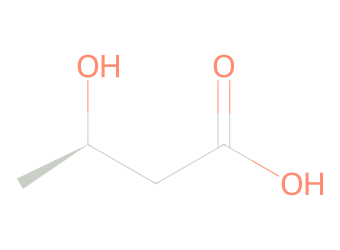
Two kinds of product share the name. Ketone esters (for example (R)-3-hydroxybutyl (R)-3-hydroxybutyrate) carried most of the positive trials. Ketone salts bind beta-hydroxybutyrate to sodium, potassium, calcium or magnesium, often as a racemic DL mix, and raised blood ketones less. Medium-chain triglyceride oil is a different product and is not covered by this record.
The glucose trials gave a single dose shortly before a meal or glucose drink, or 15 minutes before each meal for 14 days (PMID 38483543, PMID 33367782). The heart failure trials split the daily amount into four doses (PMID 39162035).
Checked against the published summaries; the full papers could not be read. What the cited trials did, not a schedule. Every supplement, by trial timing →
Pregnancy and breastfeeding: not studied. Diabetes treated with insulin or a sulfonylurea: a single dose lowered blood glucose in trials (PMID 35380602), so an added drop is plausible on top of those drugs, untested. Type 1 diabetes or any history of ketoacidosis: not studied, and the product raises blood ketones by design. Ketone salts carry a mineral load (sodium or potassium) that matters in kidney disease or a salt-restricted diet. Higher doses tended to raise resting heart rate (PMID 38145410).
No interaction has been tested in a human study. Glucose-lowering drugs: the glucose drop seen in trials could add to theirs (PMID 35380602). SGLT2 inhibitors raise blood ketones on their own; the heart failure trial of 2024 included patients taking them and reported no safety problem (PMID 39162035), which is not an interaction study.
Exogenous ketones and glucose-lowering drugs. Single doses of exogenous ketones lower blood glucose; whether that adds to the effect of insulin or a sulfonylurea has not been tested. Falkenhain et al. (Adv Nutr, 2022; PMID 35380602): systematic review and meta-analysis of 43 trials, 586 participants; a single dose of exogenous ketones lowered blood glucose by 0.47 mmol/L against a comparator (95% CI 0.36 to 0.57), more with ketone monoesters than with salts; limited evidence on longer use.
Blood beta-hydroxybutyrate by fingerstick meter confirms the product raised ketones; the glucose trials measured glucose after a standard meal or by continuous glucose monitor. Cardiac output was measured by right heart catheterization in the heart failure trials and is not a home measure.
Primary evidenceEleven papers, each linked to its PubMed record.
Falkenhain et al. (Adv Nutr, 2022; PMID 35380602): systematic review and meta-analysis of 43 trials, 586 participants; a single dose of exogenous ketones lowered blood glucose by 0.47 mmol/L against a comparator (95% CI 0.36 to 0.57), more with ketone monoesters than with salts; limited evidence on longer use. Monteyne et al. (Diabetologia, 2024; PMID 38483543): randomized double-blind crossover, 10 adults with type 2 diabetes, 0.5 g/kg ketone monoester before a mixed meal; 2-hour glucose about 18 percent lower than placebo, with no change in insulin; funded by Canadian and UK research councils. Walsh et al. (J Clin Endocrinol Metab, 2021; PMID 33367782): randomized crossover, 14 adults with obesity, 12 g of beta-hydroxybutyrate as a monoester before each meal for 14 days; postprandial glucose 8.0 percent and 24-hour average glucose 7.8 percent lower than placebo on continuous glucose monitoring. Berg-Hansen et al. (Circulation, 2024; PMID 38533643): randomized double-blind crossover, 24 adults with heart failure with reduced ejection fraction, ketone ester four times daily for 14 days against an isocaloric comparator; resting cardiac output 0.3 L/min higher and wedge pressure 2 mm Hg lower. Gopalasingam et al. (Circulation, 2024; PMID 39162035): randomized double-blind crossover, 24 adults with type 2 diabetes and heart failure with preserved ejection fraction, 25 g four times daily for 2 weeks; cardiac output 0.2 L/min higher and filling pressure lower than placebo. Liao et al. (Heart, 2026; PMID 40957670): meta-analysis of six randomized trials of ketone supplementation in heart failure; left ventricular ejection fraction 3.1 percentage points higher, with low to high certainty. Selvaraj et al. (JACC Heart Fail, 2025; PMID 40243975): randomized placebo-controlled crossover, 20 adults with heart failure with preserved ejection fraction, acute ketone ester; peak oxygen uptake and constant-load endurance unchanged; NIH and foundation funded. Brooks et al. (Int J Sport Nutr Exerc Metab, 2022; PMID 35042186): meta-analysis of 8 randomized trials, 80 participants; acute ketone monoesters and precursors did not improve endurance performance (Hedges g 0.14, 95% CI -0.20 to 0.47). Putananickal et al. (Cephalalgia, 2022; PMID 34541914): randomized double-blind crossover, 41 adults with episodic migraine, DL-beta-hydroxybutyrate for 12 weeks per period; migraine days and intensity no different from placebo (mean difference -1.1 days, 95% CI -5.07 to 2.85). One author later founded a company selling a beta-hydroxybutyrate product for migraine. Marcotte-Chenard et al. (J Diet Suppl, 2024; PMID 38145410): meta-analysis of 10 acute and chronic studies, 187 participants; no change in systolic or diastolic blood pressure, with a tendency toward higher resting heart rate at higher doses. Mohib et al. (Nutrients, 2025; PMID 41097203): systematic review of 51 studies in adults with disease; benefits mostly on surrogate endpoints A lab value or measurement used in place of the outcome that matters, such as LDL cholesterol standing in for heart attacks. Moving a surrogate does not always move the outcome., with insufficient data on clinical outcomes. Grade C on two uses with measured markers that are not established stand-ins for a clinical outcome; endurance performance, migraine prevention and blood pressure are D on Route 2.
Educational use only · Not medical advice · Starting, stopping or changing any supplement or medication is a decision for your physician
These statements have not been evaluated by the Food and Drug Administration. This product is not intended to diagnose, treat, cure, or prevent any disease. The grade on this page describes the strength of published human trial evidence in the populations studied. It is not a recommendation for any individual and is not medical advice. Starting, stopping or changing any supplement or medication is a decision for your physician.
This page carries a letter. EBL takes no commission, referral fee or payment of any kind on anything it grades. No letter has been bought and none is for sale.
How this is enforced
That is not a promise, it is a build condition. Two checks run on every deploy: one refuses to publish if a commission is claimed on anything graded, the other refuses if a page names a commercial relationship that is not declared in the register. If either fails, this page does not go live. You can read how the checks work, and what they do not cover, on the evidence integrity page.
How EBL searched for the trials (1 search)
The search that was run, what it returned, and what was left out and why, so the absence of evidence can be checked as well as its presence.
("ketone ester"[tiab] OR "ketone monoester"[tiab] OR "exogenous ketone*"[tiab] OR "ketone salt*"[tiab] OR "beta-hydroxybutyrate supplement*"[tiab] OR "D-beta-hydroxybutyrate"[tiab] OR "ketone supplement*"[tiab]) AND (randomized controlled trial[pt] OR meta-analysis[pt] OR systematic review[pt]) AND humans[mh]Grades move when new trials publish. A free monthly email lists every grade EBL moved, with the reason and the trial behind it: the sign-up is on the Evidence Log →