Supplement · graded by use, five uses
NR (Nicotinamide Riboside)
Six-minute walk distance in peripheral artery disease.
Grade C: human trials exist, but they are small, mixed or not yet repeated. This is not a finding that it does not work. How to read a grade →
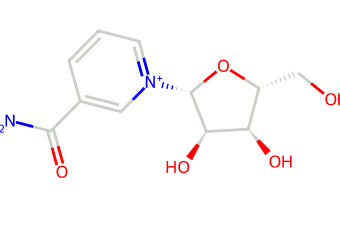
NR is a form of vitamin B3 sold for healthy aging. Like NMN, it raises a molecule called NAD in the blood, which shows the pill is absorbed. In one study of people with poor blood flow in the legs, walking distance improved. In men with obesity, it did not improve how the body handles sugar. In people with memory problems, it did not help thinking. No study shows that it slows aging. In a large study of people with early Parkinson's disease, those taking NR did slightly worse after a year than those taking a dummy pill.
The C belongs to one of the five uses graded on this record. The other four carry their own letters.
As studied, and the trials
McDermott et al. (Nat Commun, 2024; PMID PubMed ID: the permanent number the US National Library of Medicine gives a published paper. Each one links to that paper's record on PubMed. 38871717), NICE: randomized double-blind Neither the participants nor the people assessing them know who received the real treatment until the trial ends. trial, American Heart Association funded; six-minute walk +7.0 m on NR against -10.6 m on placebo An inactive substitute made to look like the real treatment, so participants cannot tell which one they received., a 17.6 m difference judged at a one-sided 0.10 level; resveratrol added nothing. The one positive clinical trial of NR alone, unreplicated: C.
As studied, and the trials
Replicated The same finding reproduced by a separate research group. A result seen once can be chance or bias; a replicated one is harder to explain away. across independent groups: NIH-funded crossover A trial design in which each participant receives both the treatment and the comparison, one after the other, and serves as their own control. in healthy adults (Martens et al., 2018; PMID 29599478), supplier-funded dose-ranging trial (Conze et al., 2019; PMID 31278280), and the clinical trials in mild cognitive impairment and long COVID (PMIDs 37994989, 42478598, 41357333). A blood level of the supplement's own product shows absorption, not benefit, and caps at C under the editor's rule of October 2026; the same rule set NMN's blood NAD+ use at C. The supplier funded or supplied product for most of these trials.
As studied, and the trials
Dollerup et al. (Am J Clin Nutr, 2018; PMID 29992272): the only clamp trial of NR; insulin sensitivity and glucose metabolism unchanged at 2,000 mg/day over 12 weeks. Tested and no benefit: D on Route 2 Human randomized trials have been run and did not show benefit on the stated outcome. One of the two routes to the lowest letter on EBL's scale..
As studied, and the trials
Two independent randomized trials in mild cognitive impairment raised blood NAD+ and did not improve cognition (Orr et al., 2024; PMID 37994989; Martens et al., 2026; PMID 42478598). A third trial in long COVID was null on cognition and fatigue (Wu et al., 2025; PMID 41357333). Tested without benefit, replicated: D on Route 2.
As studied, and the trials
Brakedal et al. (JAMA, 2026; PMID 42848371), NOPARK: 410 people with early Parkinson disease randomized to nicotinamide riboside 1,000 mg/day or placebo for 52 weeks. The treated arm did worse than placebo on the primary rating scale and on non-motor symptoms, and four of the five key secondary outcomes showed no difference. Publicly funded in Norway; the supplier provided product and placebo, and the lead investigator holds patents on nicotinamide riboside for Parkinson disease licensed to that supplier, which makes a harm finding the opposite of a sponsor-favorable result. Tested, and the treated arm did worse: D on Route 2 with the harm badge.
Read the grade that matches your goal. How EBL grades by use →
A letter describes the human evidence, not the product, the manufacturer, or the ingredient's worth.
See the full evidence record →Six-minute walk in peripheral artery disease on one unreplicated trial. Early Parkinson disease: tested, harm found (D).
Why this gradeGrade C, small or unreplicated trials. The reasoning, and what the grade does not cover.
Grade C. This entry held Grade B until August 2026 on four citations, none a chronic randomized trial of nicotinamide riboside alone against a meaningful endpoint The outcome a trial measures to decide whether the treatment worked, such as heart attacks, blood pressure or a symptom score.: one pharmacokinetic study, one cell-biology paper, one acute crossover, and one repeat-dose trial of a nicotinamide riboside plus pterostilbene combination. Read against the trials that exist, the picture is: NR alone raises blood NAD+ in several independent randomized trials (Martens et al., 2018; PMID 29599478; Conze et al., 2019; PMID 31278280; Orr et al., 2024; PMID 37994989; Martens et al., 2026; PMID 42478598; Wu et al., 2025; PMID 41357333), and a blood level of the supplement's own product is a mechanistic marker that caps at C under the editor's rule of October 2026, as on the NMN record. Clinical outcomes are mostly null: clamp-measured insulin sensitivity in obese men (Dollerup et al., 2018; PMID 29992272), cognition in mild cognitive impairment in two independent trials (Orr 2024; Martens 2026), and long-COVID cognition and fatigue (Wu 2025). One positive trial exists: NICE (McDermott et al., 2024; PMID 38871717) improved six-minute walk in peripheral artery disease by 17.6 m at a one-sided 0.10 significance level, unreplicated. In early Parkinson disease, the phase 3 NOPARK trial (Brakedal et al., 2026; PMID 42848371) found the treated arm did worse than placebo on the primary rating score and on non-motor symptoms, a separate D with the harm badge. Mixed randomized evidence with one unreplicated positive is C. FUNDING: the NR supplier funded or supplied product for most NR-alone trials (Trammell 2016, Conze 2019, Orr 2024, Wu 2025); the Dollerup, Martens 2018 and NICE trials were independently funded.
WHAT THIS GRADE DOES NOT COVERthe NR plus pterostilbene combination (PMID 29184669), funded by its seller, which does not isolate NR; acute single-dose exercise effects (PMID 30725213), where VO2max The most oxygen the body can use during all-out exercise, a standard measure of aerobic fitness. did not change; and any longevity claim, which no trial has tested.
A grade describes the human evidence for a named use. It is not advice, and it is not a judgment on any individual prescription. How the letters are decided →
Who responds: this record's trial reading reports no subgroup that identifies who responds.
As studied: dose, form, population and duration for every use
A grade describes the intervention that was tested. Where the product on the shelf differs from it, this says so.
The trial that would change this grade.
A positive trial of this shape, supported by further trials, would move this entry to B.
Why the current trials fall short
The one positive NR trial (NICE; PMID 38871717) improved six-minute walk by 17.6 m at a one-sided 0.10 significance level, a looser threshold than trials usually use, and it has not been repeated. Every other clinical outcome tested so far was null. The rise in blood NAD+ is established and cannot carry the grade above C. An independent replication of the walking result is what B requires.
Why people believe itTwo human sources; one published case report of benefit; no reports of harm.
The case for NR is the same NAD+ idea as NMN. NR raises NAD+ in people reliably, and one trial in peripheral artery disease found a walking benefit.
What supporters point to, and what each source actually shows. None of it is enough to move this letter higher; the trial described above under Evidence wanted is what would.
- Human trial, blood or body markerIn healthy middle-aged and older adults, six weeks of NR raised blood NAD+ and was well tolerated. A rise in a blood marker, not a health outcome. PMID 29599478
- Human trial, a different useIn peripheral artery disease, NR improved six-minute walk distance, judged at a looser significance level than trials usually use. Not repeated. PMID 38871717
A case report describes what happened to one or a few patients. It cannot show the treatment caused the change, and reports of success are published more often than reports of failure.
- Used with S-adenosylmethionine in a patient with Arts syndrome, a rare inherited disorder of NAD+ production. A different use from anything graded here, and two treatments given together. PMID 37927483
Searched PubMed, October 2026: 8 case report record(s) returned. Every case report found concerns a rare inherited or metabolic disorder. None concerns aging or a graded use.
Animal and laboratory workOne study in animals or cells. Not counted toward the letter.
None of this is human evidence and none of it counts toward the letter. It is listed so the reader can see what the idea rests on. Most findings in animals do not hold up when tested in people.
- MouseNR raised NAD+ and restored muscle stem cell function in aged mice, delayed senescence of neural and melanocyte stem cells, and increased lifespan. PMID 27127236
How this letter has changed · latest: October 2026 · Added
NOPARK (Brakedal et al., JAMA, 2026; PMID 42848371), a phase 3 randomized trial of 410 people with early Parkinson disease, found that those on nicotinamide riboside 1,000 mg/day for 52 weeks did worse than placebo on the primary rating score and on non-motor symptoms. This use enters at D with the TESTED, HARM FOUND badge. The record's top letter does not change.PMID 42848371
The grade basis called Martens 2026 (PMID 42478598) the first randomized trial of NR alone against clinical outcomes; Dollerup 2018 (PMID 29992272), Orr et al. (2024; PMID 37994989), NICE (McDermott et al., Nat Commun, 2024; PMID 38871717) and Wu et al. (2025; PMID 41357333) came first and are now cited. The one positive, six-minute walk in peripheral artery disease at a one-sided 0.10 level, is a C row, unreplicated; blood NAD+ is a C row under the blood-level rule applied to NMN today; clamp insulin sensitivity in obese men (one null) and cognition in mild cognitive impairment (two independent nulls) are D Route 2 rows. Dolopikou 2020 (PMID 30725213) is relabeled: VO2max unchanged. The NR plus pterostilbene trial (PMID 29184669) is labeled as funded by the combination's seller with its employees as authors, and the NR supplier's funding or product supply across most trials is stated. Ratajczak 2016 (PMID 27725675) is labeled cell and mouse work. The headline stays C. Applied the written grade definition under the editor's standing instruction of October 2026 (Arnold Sandlow, D.C.).PMID 27725675 PMID 29184669 PMID 29992272 PMID 30725213 PMID 37994989 PMID 38871717 PMID 41357333 PMID 42478598
The Grade B rested on four citations, none of which was a chronic randomized trial of nicotinamide riboside alone against a meaningful endpoint: a pharmacokinetic study, a cell-biology paper, an acute exercise crossover, and a repeat-dose trial of nicotinamide riboside combined with pterostilbene, which cannot isolate a single ingredient. A phase-II randomized placebo-controlled trial in older adults with amnestic mild cognitive impairment (Martens et al., Alzheimers Dement, 2026) has since reported that 12 weeks of nicotinamide riboside doubled blood NAD+ and produced no improvement in cognitive function, total cerebral blood flow, or blood pressure. Raising the marker is established. Benefit from raising it is not.PMID 42478598 PMID 29184669
Every change to a letter on this site is dated and published. The full evidence log →
Commercial disclosure
EBL earns no commission on any supplement it grades. A purchase made through the dispensary link below pays EBL nothing, the practitioner discount goes to you in full. The dispensary is Fullscript, a practitioner dispensary, and many of the professional-grade brands in it are sold mainly through practitioners rather than in health food stores. Grades are assigned by published rubric before any commercial relationship exists and are never influenced by one. Full disclosure.
250–500 mg/day; some protocols use 1,000 mg
The published randomized trials used nicotinamide riboside chloride from a single manufacturer. Other products should not be assumed equivalent unless their identity, purity and dose match.
Timing differed between the cited studies. In the 12-week trial in older adults with mild cognitive impairment, 500 mg was taken in the morning and 500 mg in the evening (PMID 42478598). In the obese-men trial, 1,000 mg was taken twice daily (PMID 29992272). The first human study gave single morning doses after an overnight fast (PMID 27721479). The NR plus pterostilbene combination trial dosed at breakfast (PMID 29184669).
Checked against the full report for 3 of the 4 cited studies, and the published summary for the rest. What the cited trials did, not a schedule. Every supplement, by trial timing →
How to buy this: quality criteria, not a brand
250–500mg/day.
Nicotinamide riboside chloride from a single manufacturer, in every published RCT Randomized controlled trial: people are assigned to the treatment or a comparison by chance, so the groups differ only in what they received. It is the design that can show cause and effect..
Any USP or NSF third-party seal.
NR blends with other ingredients, assumed to act like NR alone.
The grade and these criteria are set only from human trials. Any purchase link is convenience and does not affect the grade.
Active malignancy, as a precaution rather than a finding, on the same reasoning as NMN: NAD+ is required for cell replication and no trial has tested nicotinamide riboside in cancer patients. Pregnancy, on insufficient data.
No drug interaction has been documented in a human trial. Diabetes medication: NAD+ precursors have been studied for metabolic effects, so additive glucose lowering is plausible and unmeasured. Chemotherapy: an oncology decision, on the same reasoning as the contraindication above.
NR has been trialed in cancer survivors after treatment, never during it. Nicotinamide riboside has reached randomized trials in people who have had cancer, but on the other side of treatment: one trial pairs it with exercise in adolescent and young adult survivors of hematopoietic cell transplantation, with muscle mass and fitness as endpoints. Nothing has given it during chemotherapy, and nothing has measured whether it changes what a cytotoxic drug does. The additive glucose statement is in the same position: NAD+ precursors have metabolic trials, none in people taking a glucose-lowering drug. The class-level human evidence is real but it is not about this compound. Neither study tested it, and neither result is statistically significant Unlikely to be explained by chance alone at the threshold the study set. It says nothing about whether the difference is large enough to matter. on its own: the breast cancer analysis was observational Research that watches what people already do rather than assigning a treatment. It can show that two things travel together, not that one causes the other. within a randomized trial and its antioxidant signal did not reach significance, and the head and neck trial's recurrence signal was a trend. Two independent trends in the same direction, on hard endpoints An outcome that matters directly to a person and is counted without judgment, such as death, heart attack, stroke or fracture., in a setting where the mechanism predicts exactly that direction, is why the caution exists. It is not a measured effect for any supplement here. Song et al. (BMC Cancer, 2022;22(1):795; PMID 35854224): randomized controlled trial People are assigned to the treatment or a comparison by chance, so the groups differ only in what they received. It is the design that can show cause and effect. of exercise training with nicotinamide riboside supplementation in adolescent and young adult hematopoietic cell transplant survivors, with muscle mass and fitness endpoints. Ambrosone et al. (Journal of Clinical Oncology, 2020;38(8):804-814; PMID 31855498): prospective study of 1,134 patients ancillary to the randomized SWOG S0221 breast cancer trial; any antioxidant use both before and during chemotherapy carried an adjusted hazard ratio How often an event happened in the treated group compared with the control group over the same period. A ratio of 0.80 means 20 percent fewer events. for recurrence of 1.41 (95% CI 0.98 to 2.04, P = .06). Bairati et al. (Journal of Clinical Oncology, 2005;23(24):5805-13; PMID 16027437): randomized double-blind placebo-controlled trial, 540 head and neck cancer patients given alpha-tocopherol and beta-carotene during radiotherapy; acute adverse effects fell, and local recurrence tended to rise (hazard ratio 1.37, 95% CI 0.93 to 2.02).
For the graded use, six-minute walk distance at baseline and 6 months. Whole-blood NAD+ shows the capsule was absorbed and nothing more. Energy and fatigue self-report and a lipid panel are not graded endpoints.
Primary evidenceTwelve papers, each linked to its PubMed record.
Blood NAD+. Trammell et al. (Nat Commun, 2016; PMID 27721479): first human pharmacokinetics, sponsored by the NR supplier; oral NR raises blood NAD+. Martens et al. (Nat Commun, 2018; PMID 29599478): NIH-funded 2 by 6-week crossover in healthy middle-aged and older adults; NAD+ raised, well tolerated, blood pressure and arterial stiffness signals exploratory. Conze et al. (Sci Rep, 2019; PMID 31278280): 8-week dose-ranging trial funded by the NR supplier, with its employees among the authors; 100, 300 and 1,000 mg/day raised whole-blood NAD+ by 22, 51 and 142 percent. Clinical outcomes. Dollerup et al. (Am J Clin Nutr, 2018; PMID 29992272): 40 obese insulin-resistant men, 2,000 mg/day for 12 weeks, investigator-initiated; clamp-measured insulin sensitivity, glucose metabolism, energy expenditure and body composition unchanged. Orr et al. (GeroScience, 2024; PMID 37994989): 20 older adults with mild cognitive impairment, 1 g/day for 10 weeks, NIH-funded with product from the supplier; NAD+ 2.6-fold higher, cognition unchanged. Martens et al. (Alzheimers Dement, 2026; PMID 42478598): phase-II randomized, double-blind, placebo-controlled pilot in amnestic mild cognitive impairment, 42 completers over 12 weeks; blood NAD+ doubled, cognition (the primary outcome), total cerebral blood flow and blood pressure unchanged. Wu et al. (EClinicalMedicine, 2025; PMID 41357333): 58 adults with long COVID, 2,000 mg/day, 24 weeks, with authors holding equity in the NR company; NAD+ up 2.6- to 3.1-fold, no difference in cognition, fatigue, sleep, anxiety or depression, and dropout of 51 percent on NR. McDermott et al. (Nat Commun, 2024; PMID 38871717), NICE: 90 people with peripheral artery disease, 6 months, American Heart Association funded; six-minute walk 17.6 m better than placebo at a one-sided 0.10 significance level, the one positive NR-alone clinical trial, unreplicated. Dolopikou et al. (Eur J Nutr, 2020; PMID 30725213): acute single-dose crossover in 12 young and 12 old men; VO2max and concentric torque unchanged, isometric torque 8 percent higher and fatigue index better in the old men only, so not an exercise-performance benefit. Dellinger et al. (NPJ Aging Mech Dis, 2017; PMID 29184669): NR combined with pterostilbene, funded by the company that sells the combination with its employees as authors; raises NAD+ but does not isolate nicotinamide riboside. Ratajczak et al. (Nat Commun, 2016; PMID 27725675): cell and mouse work on NRK1, mechanism only, no weight for a human grade. Brakedal et al. (JAMA, 2026; PMID 42848371), NOPARK: phase 3 randomized double-blind trial, 410 adults with early Parkinson disease, 1,000 mg/day for 52 weeks, publicly funded with product from the supplier; the primary rating score (MDS-UPDRS I to III) worsened 2.72 points more than on placebo and non-motor symptoms also worsened more, so this use carries the harm badge. Grade C: one unreplicated positive clinical trial, the rest null, and one trial with the treated arm worse than placebo.
Educational use only · Not medical advice · Starting, stopping or changing any supplement or medication is a decision for your physician
These statements have not been evaluated by the Food and Drug Administration. This product is not intended to diagnose, treat, cure, or prevent any disease. The grade on this page describes the strength of published human trial evidence in the populations studied. It is not a recommendation for any individual and is not medical advice. Starting, stopping or changing any supplement or medication is a decision for your physician.
This page carries a letter. EBL takes no commission, referral fee or payment of any kind on anything it grades. No letter has been bought and none is for sale.
How this is enforced
That is not a promise, it is a build condition. Two checks run on every deploy: one refuses to publish if a commission is claimed on anything graded, the other refuses if a page names a commercial relationship that is not declared in the register. If either fails, this page does not go live. You can read how the checks work, and what they do not cover, on the evidence integrity page.
How EBL searched for the trials (1 search)
The search that was run, what it returned, and what was left out and why, so the absence of evidence can be checked as well as its presence.
nicotinamide riboside[tiab] AND randomized controlled trial[pt] AND humans[mesh]Grades move when new trials publish. A free monthly email lists every grade EBL moved, with the reason and the trial behind it: the sign-up is on the Evidence Log →