Supplement
Red Yeast Rice (Monacolin K)
Secondary prevention after myocardial infarction.
Grade C: human trials exist, but they are small, mixed or not yet repeated. This is not a finding that it does not work. How to read a grade →
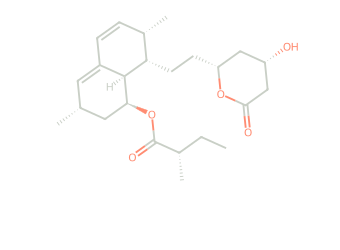
Red yeast rice is rice fermented with a yeast that makes a natural form of lovastatin, a cholesterol drug. In one large study in China, people who had a heart attack and took one specific extract had fewer new heart problems. That was one study of one extract. The amount of the active drug varies widely from one product to the next.
As studied, and the trials
Lu et al. (American Journal of Cardiology, 2008; PMID PubMed ID: the permanent number the US National Library of Medicine gives a published paper. Each one links to that paper's record on PubMed. 18549841) reported the China Coronary Secondary Prevention Study: nearly 5,000 Chinese patients with a previous myocardial infarction randomized to Xuezhikang or placebo An inactive substitute made to look like the real treatment, so participants cannot tell which one they received. for an average of 4.5 years. The pre-specified primary endpoint The one outcome a trial names in advance as its main test. Results on other outcomes carry less weight., major coronary events, occurred in 10.4% on placebo against 5.7% on treatment; cardiovascular and total mortality fell by 30% and 33% as secondary results. That is a large randomized trial on hard clinical endpoints The outcome a trial measures to decide whether the treatment worked, such as heart attacks, blood pressure or a symptom score.. Li et al. (Journal of Clinical Pharmacology, 2009; PMID 19602720) reports 1,530 elderly hypertensive patients from within the same study, so it is a subgroup of CCSPS rather than an independent replication The same finding reproduced by a separate research group. A result seen once can be chance or bias; a replicated one is harder to explain away.: two papers, one program. On the same reasoning applied to omega-3, one unreplicated program does not reach A. The letter is C rather than B for a second reason that is specific to this record. The result belongs to Xuezhikang, one standardized extract, and monacolin K content varies markedly across commercial red yeast rice products and is often absent from the label, so the intervention cannot be reproduced from a shelf. A grade attaches to what was tested, and what was tested is not what is generally sold. Meta-analyses A study that pools the numbers from several trials into one combined estimate. reporting fewer events (Sungthong et al., 2020; PMID 32066811) draw their hard-endpoint data mainly from CCSPS and its subgroup papers, so they do not replicate it.
Read the grade that matches your goal. How EBL grades by use →
- Dose studied
- Xuezhikang 600 mg/day
- Form graded
- Monascus purpureus rice (monacolin K, citrinin-free)
- Evidence behind the C
- PMID 18549841 →PMID 19602720 →PMID 32066811 →
A letter describes the human evidence, not the product, the manufacturer, or the ingredient's worth.
See the full evidence record →Secondary prevention after myocardial infarction, for Xuezhikang, one standardized extract. Commercial products vary widely in monacolin K.
As studied: dose, form, population and duration for every use
This is the gap that caps the letter. What was tested is one manufacturer's standardized extract. What is sold as red yeast rice is a category whose active molecule, monacolin K, varies markedly between products and is often unquantified, so a reader cannot buy the intervention that produced this result.
A grade describes the intervention that was tested. Where the product on the shelf differs from it, this says so.
How this letter has changed · latest: October 2026 · Corrected
The endpoint and ref read recurrent coronary events and mortality as if equal; CCSPS (Lu et al., Am J Cardiol, 2008; PMID 18549841) pre-specified major coronary events and reported mortality as secondary, which the record now says. The meta-analysis of post-infarction patients (Sungthong et al., Sci Rep, 2020; PMID 32066811) is cited with the note that it counts CCSPS subgroup papers as separate studies, so it is not replication. Safety now states the statin-class risks of monacolin K, the pooled randomized safety data (Fogacci et al., 2019; PMID 30844537) and the umbrella review's uric acid and liver enzyme signals (Ma et al., 2024; PMID 38413255). The trial's funder is stated as not given in the indexed record. C unchanged. Applied the written grade definition under the editor's standing instruction of October 2026 (Arnold Sandlow, D.C.).PMID 18549841 PMID 30844537 PMID 32066811 PMID 38413255
In September this record moved from A to B, on the finding that its two citations are the China Coronary Secondary Prevention Study and that study's own elderly hypertensive subgroup, rather than two trials. The B did not follow from that finding. Rule 03 states that a single positive trial without independent replication is a Grade C, however large or well conducted it is, and CCSPS is one trial. Its size, roughly 4,870 adults after myocardial infarction, and its hard endpoints are why the trial is worth citing; neither is a substitute for a second independent group reporting the same thing. The letter is corrected to C. Nothing about the trial's result has changed, and the record still names it in full.PMID 18549841 PMID 19602720
This record carried Grade A on two PMIDs. Both come from the China Coronary Secondary Prevention Study. Lu et al. (American Journal of Cardiology, 2008; PMID 18549841) is the trial itself, roughly 4,870 adults after myocardial infarction, and Li et al. (Journal of Clinical Pharmacology, 2009; PMID 19602720) is that same trial's elderly hypertensive subgroup. Two papers from one trial population are not independent replication, and Grade A requires replication of the same intervention in a separate trial. The letter is corrected to B, which is what one large randomized trial on hard clinical outcomes supports. Nothing about the trial's result has changed. The citation for the subgroup paper is corrected in the same edit: it was attributed to the Journal of Geriatric Cardiology and is in the Journal of Clinical Pharmacology.PMID 18549841 PMID 19602720
Every change to a letter on this site is dated and published. The full evidence log →
Commercial disclosure
EBL earns no commission on any supplement it grades. A purchase made through the dispensary link below pays EBL nothing, the practitioner discount goes to you in full. The dispensary is Fullscript, a practitioner dispensary, and many of the professional-grade brands in it are sold mainly through practitioners rather than in health food stores. Grades are assigned by published rubric before any commercial relationship exists and are never influenced by one. Full disclosure.
No single studied dose can be stated. The grade rests on one standardized extract, and monacolin K content, the active molecule, varies widely between commercial products and is often not on the label.
Red yeast rice products are not interchangeable. Monacolin K is chemically identical to lovastatin, but its amount can vary markedly between products, and citrinin contamination is a separate manufacturing-quality concern. When matching evidence, use products with quantified monacolin K and quality testing.
The cited trials gave the extract daily (PMID 18549841, PMID 19602720). Their summaries do not state a time of day or whether it was taken with food.
Checked against the published summaries; the full papers could not be read. What the cited trials did, not a schedule. Every supplement, by trial timing →
Pregnancy and breastfeeding. Active liver disease, or unexplained elevation of liver enzymes. Monacolin K is structurally the same molecule as lovastatin, so the cautions that apply to a prescription statin apply to this supplement: muscle symptoms, liver enzyme rises and drug interactions. Pooled randomized trials found no excess of muscle complaints at the doses tested (PMID 30844537), while an umbrella review found uric acid and liver enzyme signals at low credibility (PMID 38413255).
Statins: additive monacolin exposure and additive muscle toxicity, up to rhabdomyolysis. Fibrates and high-dose niacin carry the same additive muscle concern. CYP3A4 inhibitors, including azole antifungals, several macrolide antibiotics, protease inhibitors and grapefruit juice, raise monacolin blood levels the way they raise lovastatin levels.
Red yeast rice lowers LDL Low-density lipoprotein cholesterol, the cholesterol fraction most closely tied to plaque in the arteries., and its safety record is not established. Pooled trial evidence shows a significant LDL reduction, while safety reporting across those same trials was insufficient to establish the muscle and liver risk profile, which is what makes the statin-class cautions the right default. Gerards et al. (Atherosclerosis, 2015; PMID 25897793): systematic review A review that searches for every study on a question using a method set in advance, then assesses them together. and meta-analysis finding significant LDL reduction with red yeast rice and uncertain safety.
LDL-C was the efficacy endpoint measured in the cited trials.
Primary evidenceFive papers, each linked to its PubMed record.
Lu et al. (American Journal of Cardiology, 2008; PMID 18549841): the China Coronary Secondary Prevention Study (CCSPS), a randomized, placebo-controlled trial of Xuezhikang (red yeast rice extract) in nearly 5,000 post-MI patients over 4.5 years; the pre-specified primary endpoint, major coronary events (nonfatal myocardial infarction and coronary death), fell from 10.4 to 5.7 percent; cardiovascular and total mortality fell 30 and 33 percent as secondary results. Its funder is not stated in the indexed record. Li et al. (Journal of Clinical Pharmacology, 2009; PMID 19602720): CCSPS elderly hypertensive subgroup analysis. REPLICATION NOTE: Both PMIDs derive from the same CCSPS trial population. PMID 19602720 is a subgroup of PMID 18549841, not an independent replication. Rule 03 holds that a single positive trial without independent replication is a Grade C, however large or well conducted it is, and that a review of one trial and its own extension is still one trial. CCSPS is a strong trial (n=4,870, hard endpoints, significant effect) and size does not substitute for replication, so this entry is Grade C until an independent trial of the same standardized extract reports. Pooled analyses that look like replication are not: Sungthong et al. (Sci Rep, 2020; PMID 32066811) pooled 7 reports and 10,699 patients, but its hard-endpoint data come mainly from CCSPS and its own subgroup papers counted as separate studies, plus small add-on trials, so it double-counts one trial. Safety: Fogacci et al. (Pharmacol Res, 2019; PMID 30844537), 53 randomized trials, 8,535 subjects, no increase in musculoskeletal adverse events at the monacolin doses pooled; Ma et al. (J Integr Med, 2024; PMID 38413255), umbrella review of 15 meta-analyses, 12 rated critically low confidence, with signals of higher uric acid and liver enzymes.
The trials below gave the supplement in addition to a prescribed drug, with the drug present in both arms. Each result is stated as it was measured. EBL does not translate these findings into anything about a prescription.
Monacolin K, the active constituent of red yeast rice, is chemically identical to lovastatin. Taking red yeast rice alongside a prescribed statin is not a supplement added to a drug; it is the same drug class twice, once in an amount the label does not state.
Background therapy. None. The entry exists to record why this combination is not an adjunct question.
Rigillo et al. (Phytotherapy Research, 2025; PMID 39511729): comparative evaluation of the safety and efficacy of red yeast rice against lovastatin.
Educational use only · Not medical advice · Starting, stopping or changing any supplement or medication is a decision for your physician
These statements have not been evaluated by the Food and Drug Administration. This product is not intended to diagnose, treat, cure, or prevent any disease. The grade on this page describes the strength of published human trial evidence in the populations studied. It is not a recommendation for any individual and is not medical advice. Starting, stopping or changing any supplement or medication is a decision for your physician.
This page carries a letter. EBL takes no commission, referral fee or payment of any kind on anything it grades. No letter has been bought and none is for sale.
How this is enforced
That is not a promise, it is a build condition. Two checks run on every deploy: one refuses to publish if a commission is claimed on anything graded, the other refuses if a page names a commercial relationship that is not declared in the register. If either fails, this page does not go live. You can read how the checks work, and what they do not cover, on the evidence integrity page.
Grades move when new trials publish. A free monthly email lists every grade EBL moved, with the reason and the trial behind it: the sign-up is on the Evidence Log →