Supplement · graded by use, two uses
Curcumin (Turmeric Extract)
Systemic inflammatory markers (hs-CRP High-sensitivity C-reactive protein, a blood marker of low-grade inflammation., IL-6).
Grade C: human trials exist, but they are small, mixed or not yet repeated. This is not a finding that it does not work. How to read a grade →
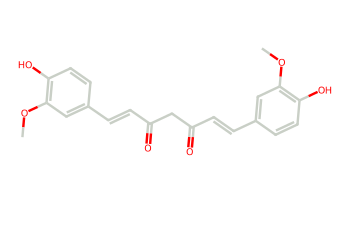
Curcumin is the yellow compound in turmeric. For knee arthritis, studies found it eased pain about as well as ibuprofen. But most were small or of low quality. The ibuprofen studies did not use a dummy pill. For signs of inflammation in the blood, only one study tested curcumin on its own. Another widely quoted study mixed it with black pepper extract. Curcumin can affect bile flow and bleeding, and high doses reduce iron absorption.
The C belongs to one of the two uses graded on this record. The other one carries its own letter.
As studied, and the trials
Panahi et al. (Annals of Clinical Biochemistry, 2012; PMID PubMed ID: the permanent number the US National Library of Medicine gives a published paper. Each one links to that paper's record on PubMed. 23038702): randomized double-blind Neither the participants nor the people assessing them know who received the real treatment until the trial ends. trial, 96 veterans with chronic sulfur-mustard-induced pruritus, curcumin 1 g/day reduced serum inflammatory biomarkers. This is the only cited trial isolating curcumin, and its population is narrow. Panahi et al. (Clinical Nutrition, 2015; PMID 25618800) tested a curcuminoid-PIPERINE COMBINATION in metabolic syndrome, so it cannot isolate curcumin. Grade C for this use: every endpoint The outcome a trial measures to decide whether the treatment worked, such as heart attacks, blood pressure or a symptom score. is a surrogate inflammatory marker, no cited trial reports a clinical outcome, and only one of the two isolates the single agent.
As studied, and the trials
Kuptniratsaikul et al. (Clinical Interventions in Aging, 2014; PMID 24672232): 367 patients with primary knee osteoarthritis randomized to Curcuma domestica extract 1,500 mg/day or ibuprofen 1,200 mg/day for 4 weeks; WOMAC total, pain and function met the pre-specified noninferiority margin against ibuprofen. An earlier trial by the same group (PMID 19678780, n=107) could not establish equivalence. Bannuru et al. (Seminars in Arthritis and Rheumatism, 2018; PMID 29622343): systematic review A review that searches for every study on a question using a method set in advance, then assesses them together. and meta-analysis A study that pools the numbers from several trials into one combined estimate., 11 randomized trials, N=1,009, of curcuminoid or Boswellia formulations; curcuminoids were significantly more effective than placebo An inactive substitute made to look like the real treatment, so participants cannot tell which one they received. for pain and function, and showed no significant difference against NSAIDs. Grade C rather than B for three reasons the meta-analysis states about itself: study quality was low overall and most included trials enrolled fewer than 100 participants; the pooled curcuminoid arm combines different formulations, several of them curcuminoid-piperine combinations, so no single product carries the result; and neither head-to-head trial had a placebo arm, so noninferiority to ibuprofen does not by itself establish benefit over no treatment. DOSE NOTE: these trials used 1,500 to 2,000 mg/day of a 75 to 85 percent curcuminoid extract, not an enhanced-bioavailability form at a lower dose.
Read the grade that matches your goal. How EBL grades by use →
A letter describes the human evidence, not the product, the manufacturer, or the ingredient's worth.
See the full evidence record →Systemic inflammatory markers (hs-CRP, IL-6) and knee osteoarthritis pain and function, each graded C.
As studied: dose, form, population and duration for every use
The second cited trial (PMID 25618800) tested a curcuminoid-PIPERINE COMBINATION, which is also how most retail curcumin is sold. A combination cannot isolate the single agent.
Enhanced-bioavailability preparations (solid lipid particle, phytosome, colloidal and turmeric-oil forms) at 500 to 1,000 mg/day are what is commonly sold. That is a different preparation at a lower dose than either cited trial used.
A grade describes the intervention that was tested. Where the product on the shelf differs from it, this says so.
The trial that would change this grade.
A positive trial of this shape, supported by further trials, would move this entry to B.
Why the current trials fall short
The cited trials are short, two compare curcumin with ibuprofen rather than placebo, and the inflammation results are blood markers. A placebo-controlled trial of meaningful length, with liver safety tracked, is what is missing.
Why people believe itTwo human sources; one published case report of benefit; five reports of harm.
The case for curcumin, the yellow compound in turmeric, is that it calms inflammation by acting on several of the body's inflammation signals, and turmeric has a long history in traditional medicine. Trials find lower blood inflammation markers and knee pain relief similar to ibuprofen. It is poorly absorbed, so many products add black pepper extract to raise blood levels.
What supporters point to, and what each source actually shows. None of it is enough to move this letter higher; the trial described above under Evidence wanted is what would.
- Human trial, blood or body markerIn 117 adults with metabolic syndrome, 1 g a day of curcuminoids with black pepper extract for 8 weeks lowered CRP, an inflammation marker, and a marker of oxidative stress, against placebo. Blood markers over 8 weeks. PMID 25618800
- Human trial, blood or body markerIn 96 veterans with chronic skin damage from sulfur mustard gas, 1 g a day for 4 weeks lowered blood inflammation markers more than placebo. Markers over 4 weeks, in an unusual group. PMID 23038702
A case report describes what happened to one or a few patients. It cannot show the treatment caused the change, and reports of success are published more often than reports of failure.
- A woman with myeloma, a blood cancer, began daily curcumin as she approached her third relapse and stayed stable for 5 years without further cancer treatment. One patient, with no comparison. PMID 28413157
- A 35-year-old woman developed jaundice and severe liver injury after 2 months of an over-the-counter turmeric tablet with black pepper, taken to recover from exercise. She carried a gene type linked to turmeric liver injury. PMID 39297606
- A 49-year-old woman with no history of liver disease or heavy drinking was admitted with liver injury attributed to a turmeric supplement. PMID 36600786
- A 66-year-old man taking six turmeric capsules a day developed iron deficiency anemia that resolved within 2 weeks of stopping. Turmeric binds iron in the gut. PMID 30899609
- A 69-year-old man was found to have kidney failure from oxalate crystals, linked to long-term turmeric supplements together with antibiotics and diarrhea. PMID 38427579
- A 55-year-old woman developed a severe blistering rash, acute generalized exanthematous pustulosis, after raising her turmeric dose. PMID 38910822
Searched PubMed, October 2026: 45 case report record(s) returned. 28 describe harm, 17 of them liver injury; five are listed. Twelve describe improvement, most with curcumin as one of several treatments; one is listed. The other five concern curcumin in dental gels and light treatment, an effect on MRI scans, and two cases where its part is unclear.
How this letter has changed · latest: August 2026 · Downgraded
Curcumin now carries two graded uses instead of one headline letter. Systemic inflammatory markers stay at C: only one cited trial isolates curcumin, the other tests a curcuminoid-piperine combination, and every endpoint is a surrogate. Knee osteoarthritis pain and function is newly graded C on two head-to-head randomized trials against ibuprofen (PMID 24672232, PMID 19678780) and an 11-trial meta-analysis in which curcuminoids beat placebo (PMID 29622343). It is C rather than B for three reasons the meta-analysis states about itself: study quality was low overall, most trials enrolled under 100 participants, and the pooled arm mixes formulations. The trials used 1,500 to 2,000 mg/day of unenhanced curcuminoid extract, not the enhanced-bioavailability form at a lower dose that is commonly sold.PMID 24672232 PMID 19678780 PMID 29622343
Every change to a letter on this site is dated and published. The full evidence log →
Commercial disclosure
EBL earns no commission on any supplement it grades. A purchase made through the dispensary link below pays EBL nothing, the practitioner discount goes to you in full. The dispensary is Fullscript, a practitioner dispensary, and many of the professional-grade brands in it are sold mainly through practitioners rather than in health food stores. Grades are assigned by published rubric before any commercial relationship exists and are never influenced by one. Full disclosure.
1,500 to 2,000 mg/day of a 75 to 85 percent curcuminoid extract in the knee osteoarthritis trials (PMID 24672232, PMID 19678780); 1 g/day in the inflammatory-marker trial (PMID 23038702). DOSE AND FORM CAUTION: the 500 to 1,000 mg/day of an enhanced-bioavailability preparation that is commonly sold is a different preparation at a lower dose than any trial cited on this record tested.
Enhanced-absorption preparations (solid lipid particle, phytosome, colloidal and turmeric-oil forms) are marketed on absorption grounds. That absorption comparison is not cited on this record, and no cited trial used an enhanced-bioavailability form. Both graded uses rest on unenhanced curcuminoid extract.
In the larger knee osteoarthritis trial, participants took two capsules after meals, three times a day (PMID 24672232). The other cited trial summaries do not state timing.
Checked against the full published report. What the cited trials did, not a schedule. Every supplement, by trial timing →
How to buy this: quality criteria, not a brand
1,500 to 2,000 mg/day of a 75 to 85 percent curcuminoid extract in the knee trials; 1 g/day in the inflammatory-marker trial.
Unenhanced curcuminoid extract in both cited trials. Enhanced-absorption forms are sold on absorption claims this record does not cite.
A stated curcuminoid percentage on the label, and any USP or NSF third-party seal.
An enhanced-absorption product at 500 to 1,000 mg/day assumed to equal the trials, which used a different preparation at a higher dose. Turmeric root powder with no stated curcuminoid content.
The grade and these criteria are set only from human trials. Any purchase link is convenience and does not affect the grade.
Gallbladder disease and bile duct obstruction, since curcumin stimulates bile secretion. Raised bleeding risk. High doses reduce non-heme iron absorption.
Anticoagulants and antiplatelets: the antiplatelet effect is established in laboratory work, and one case report describes recurrent bleeding in a patient taking a turmeric supplement. The single human interaction study located found no change in bleeding time or INR after ten days, but it tested one branded formulation without a control arm, so this remains a monitoring caution rather than a measured one. Curcumin inhibits CYP3A4 and P-glycoprotein in vitro, which would matter for narrow-window drugs. Iron supplements: curcumin chelates iron, so co-ingestion is the interaction of interest.
One human interaction study found no change in INR or bleeding time, and it does not settle the question. No indexed case report describes curcumin or turmeric raising INR on warfarin. A PubMed search for case reports pairing either term with warfarin returned nothing in August 2026. What does exist is one before-and-after human study in patients already on aspirin, ticlopidine, clopidogrel, warfarin or dabigatran, which found no significant change in bleeding time or INR after ten days, and one ophthalmic case report of recurrent hemorrhage in a patient taking turmeric among other supplements. The reassuring study carries real limits: a single branded phytosome formulation, ten days, no control arm, no randomization, and authors closely associated with that product. A non-interaction result from an uncontrolled study is weak evidence of safety, so the caution stands on the laboratory antiplatelet effect. Hu et al. (European Review for Medical and Pharmacological Sciences, 2018;22(15):5042-5046; PMID 30070343): non-interaction study of a curcumin phytosome formulation against antiplatelet agents, warfarin and dabigatran, measuring bleeding time and INR before and after ten days. Kalla (Case Reports in Ophthalmology, 2025;16(1):297-301; PMID 40291643): recurrent subretinal hemorrhage in a 48-year-old taking a turmeric supplement, with a normal thrombotic workup and several supplements stopped together.
CYP3A4 and P-glycoprotein inhibition is in vitro, and no human study has measured the consequence. The enzyme and transporter claim rests on laboratory work and on a review of it, not on a human interaction study. It is the reason the caution exists for narrow-window drugs, and it is also the reason the caution cannot be quantified: an in vitro inhibition constant does not translate into a dose adjustment. Appiah-Opong et al. (Toxicology, 2007;235(1-2):83-91; PMID 17433521): inhibition of human recombinant cytochrome P450s by curcumin and its decomposition products, in vitro. Bahramsoltani et al. (Journal of Ethnopharmacology, 2017;209:1-12; PMID 28734960): review of the pharmacokinetic interactions of curcuminoids with conventional drugs, covering cytochrome P450 and P-glycoprotein.
Turmeric binds ferric iron in the gut; the human evidence is a single case report. The iron claim is the best supported of the three in direction and the weakest in design. Turmeric binds ferric iron in the gut and produces iron deficiency in mice, and one published human case describes iron deficiency anemia at high supplement doses that resolved after stopping. One case is not a rate and says nothing about ordinary doses; it is enough to explain why the conflict text asks for separation in time and not enough to quantify the effect. Smith and Ashar (Cureus, 2019;11(1):e3858; PMID 30899609): case report, a 66-year-old taking six 538 mg turmeric extract capsules daily with iron studies consistent with iron deficiency and a negative endoscopic workup, with hemoglobin and iron studies normalising two weeks after stopping.
hs-CRP, joint pain scores, ESR, inflammatory symptom diary
Primary evidenceSix papers, each linked to its PubMed record.
Systemic inflammatory markers rest on Panahi et al. (Annals of Clinical Biochemistry, 2012; PMID 23038702), the only cited trial isolating curcumin, in 96 sulphur-mustard-exposed veterans; Panahi et al. (Clinical Nutrition, 2015; PMID 25618800) tested a curcuminoid-PIPERINE COMBINATION and cannot isolate curcumin; Hewlings and Kalman (Foods, 2017; PMID 29065496) is a narrative review, not a trial. Knee osteoarthritis rests on two head-to-head randomized trials against ibuprofen by Kuptniratsaikul et al. (Clinical Interventions in Aging, 2014; PMID 24672232, n=367; and Journal of Alternative and Complementary Medicine, 2009; PMID 19678780, n=107), neither with a placebo arm, and Bannuru et al. (Seminars in Arthritis and Rheumatism, 2018; PMID 29622343), a meta-analysis of 11 trials of low overall study quality in which curcuminoids beat placebo for pain and function. Graded separately by use; see the per-use notes.
Educational use only · Not medical advice · Starting, stopping or changing any supplement or medication is a decision for your physician
These statements have not been evaluated by the Food and Drug Administration. This product is not intended to diagnose, treat, cure, or prevent any disease. The grade on this page describes the strength of published human trial evidence in the populations studied. It is not a recommendation for any individual and is not medical advice. Starting, stopping or changing any supplement or medication is a decision for your physician.
Who responds: this record's trial reading reports no subgroup that identifies who responds.
This page carries a letter. EBL takes no commission, referral fee or payment of any kind on anything it grades. No letter has been bought and none is for sale.
How this is enforced
That is not a promise, it is a build condition. Two checks run on every deploy: one refuses to publish if a commission is claimed on anything graded, the other refuses if a page names a commercial relationship that is not declared in the register. If either fails, this page does not go live. You can read how the checks work, and what they do not cover, on the evidence integrity page.
Grades move when new trials publish. A free monthly email lists every grade EBL moved, with the reason and the trial behind it: the sign-up is on the Evidence Log →