Supplement · graded by use, two uses
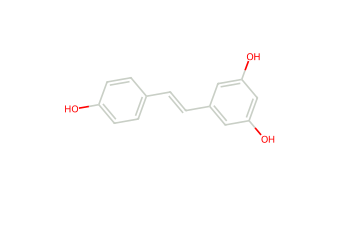
Resveratrol (Trans-Resveratrol)
Metabolic markers in obese men.
Grade C: human trials exist, but they are small, mixed or not yet repeated. This is not a finding that it does not work. How to read a grade →
Resveratrol is a compound found in red grapes. One short study in men with obesity found better blood sugar handling, but other teams ran the same kind of test and found no effect. In older men who were exercising, resveratrol blunted the gains in fitness, blood pressure and cholesterol that training normally brings. No study shows that it slows aging. It can act a little like estrogen in the body and may raise bleeding risk.
The C belongs to one of the two uses graded on this record. The other one carries its own letter.
As studied, and the trials
Mixed. Timmers et al. (2011; PMID PubMed ID: the permanent number the US National Library of Medicine gives a published paper. Each one links to that paper's record on PubMed. 22055504) found calorie-restriction-like metabolic changes in 11 obese men over 30 days. Independent attempts to reproduce it with clamp-measured insulin sensitivity were null: Poulsen et al. (2013; PMID 23193181) in 24 obese men, Yoshino et al. (2012; PMID 23102619) in non-obese women with no change in SIRT1 or AMPK, and the same Maastricht group with the same formulation (de Ligt et al., 2018; PMID 29706321). Pooled trials find no effect on CRP, lipids, glucose or blood pressure (Sahebkar et al., 2015; PMID 25885871). One positive small trial against null replications is mixed, C; the positive trial's maker link is stated beside the letter.
As studied, and the trials
Gliemann et al. (J Physiol, 2013; PMID 23878368): resveratrol blunted the cardiovascular and fitness gains from exercise training in older men, with measured oxygen uptake the key endpoint The outcome a trial measures to decide whether the treatment worked, such as heart attacks, blood pressure or a symptom score.. Tested and worse than placebo An inactive substitute made to look like the real treatment, so participants cannot tell which one they received. on the stated endpoints: D on Route 2 Human randomized trials have been run and did not show benefit on the stated outcome. One of the two routes to the lowest letter on EBL's scale. with the harm badge. One trial, so the certainty is limited.
Read the grade that matches your goal. How EBL grades by use →
A letter describes the human evidence, not the product, the manufacturer, or the ingredient's worth.
See the full evidence record →Funding: The single trial this Grade C for Metabolic markers in obese men rests on was funded by the maker of the product it tested. The funder's role in design and analysis is not stated here, because the full trial report could not be read. The letter is what the trial supports under the grading rules; the funding is stated here so it can be weighed alongside it. Investigators: The single trial this Grade C for Metabolic markers in obese men rests on was run by investigators employed by, founded by, or belonging to the organization that developed, sells or teaches the intervention (one author employed by the maker of the formulation tested; the lead investigators were university-based). The funder may read non-commercial; the people who ran the trial are part of the organization whose intervention they tested, which is stated here so it can be weighed alongside the letter.
Metabolic markers in obese men, mixed: one positive small trial against null replications. Exercise training gains blunted in older men (D).
Why this gradeGrade C, small or unreplicated trials. The reasoning, and what the grade does not cover.
Grade C, the record's best use: metabolic markers in obese men, mixed evidence, one positive 30-day trial (Timmers et al., 2011; PMID 22055504) against null independent replications on clamp-measured insulin sensitivity (Poulsen et al., 2013; PMID 23193181; Yoshino et al., 2012; PMID 23102619; de Ligt et al., 2018; PMID 29706321), with pooled risk factors unchanged (Sahebkar et al., 2015; PMID 25885871). Listed beneath it, on its own row: tested and harm found, D on Route 2, in the one randomized trial of resveratrol alongside exercise training, where 250 mg/day blunted the gains in maximal oxygen uptake, blood pressure and blood lipids in older men (Gliemann et al., J Physiol, 2013; PMID 23878368).
WHAT THIS GRADE DOES NOT COVERtype 2 diabetes, where short-term HbA1c A blood test that reflects average blood sugar over the previous two to three months. effects have been pooled separately and would need their own row; resveratrol combined with NMN or NR, which no trial has tested; and sirtuin activation as a claim, since two trials found no change in SIRT1.
A grade describes the human evidence for a named use. It is not advice, and it is not a judgment on any individual prescription. How the letters are decided →
Who responds: this record's trial reading reports no subgroup that identifies who responds.
As studied: dose, form, population and duration for every use
A grade describes the intervention that was tested. Where the product on the shelf differs from it, this says so.
The trial that would change this grade.
A positive trial of this shape, supported by further trials, would move this entry to B.
Why the current trials fall short
The cited human evidence stops at surrogates, and one senolytics-page trial in Alzheimer's disease reported no cognitive benefit.
Why people believe itOne human source; two published case reports of benefit; two reports of harm.
The case for resveratrol began with laboratory work suggesting it switches on sirtuins, enzymes linked to the benefits of calorie restriction. It extended lifespan in yeast and in mice on a high-calorie diet, and one short human trial found calorie-restriction-like changes in obese men.
What supporters point to, and what each source actually shows. None of it is enough to move this letter higher; the trial described above under Evidence wanted is what would.
- Human trial, blood or body markerIn 11 obese men, 30 days of resveratrol produced calorie-restriction-like changes in metabolic markers. Independent attempts to repeat this with more rigorous measurement found no effect. PMID 22055504
A case report describes what happened to one or a few patients. It cannot show the treatment caused the change, and reports of success are published more often than reports of failure.
- Three patients with age-related macular degeneration followed for two to three years on a supplement combining resveratrol with other ingredients; the authors report improved retinal structure and vision. Resveratrol alone was not tested. PMID 25329968
- Retinal changes described in older adults taking the same combination supplement. No comparison group. PMID 23736827
- A low platelet count attributed to resveratrol supplementation. PMID 29193562
- A woman with breast cancer taking a product combining resveratrol with other plant compounds developed a severe drop in white blood cells, attributed to an interaction with her cancer drug. PMID 37958959
Searched PubMed, October 2026: 18 case report record(s) returned. Two reports describe benefit, both in eye disease and both with a combination product. Reports of harm are listed separately. The rest concern other compounds or animals.
Animal and laboratory workFour studies in animals or cells. Not counted toward the letter.
None of this is human evidence and none of it counts toward the letter. It is listed so the reader can see what the idea rests on. Most findings in animals do not hold up when tested in people.
- YeastResveratrol activated sirtuin enzymes and extended the lifespan of yeast. This is the finding the whole resveratrol idea started from. PMID 12939617
- MouseIn middle-aged mice on a high-calorie diet, resveratrol improved metabolic health and survival. PMID 17086191
- MouseIn mice on a normal diet, resveratrol delayed some signs of aging but did not extend lifespan. PMID 18599363
- MouseIn the National Institute on Aging's three-site testing program, resveratrol did not extend lifespan in male or female mice. PMID 20974732
How this letter has changed · latest: October 2026 · Changed
The headline sat on the harm finding (Gliemann et al., J Physiol, 2013; PMID 23878368) while the record's best use, metabolic markers in obese men (Timmers et al., Cell Metab, 2011; PMID 22055504, against null replications), is C. The headline now shows C labeled with that use, and the harm finding stays D on Route 2 on its own row, listed directly beneath. No evidence changed. Headline policy adopted by the editor in October 2026 (Arnold Sandlow, D.C.): the headline letter is the record's best graded use, labeled with that use, and every other use, including any harm finding, is listed beneath it.PMID 22055504 PMID 23878368
The record rested on Timmers et al. (Cell Metab, 2011; PMID 22055504) alone and described sirtuin activation, NAD+ Nicotinamide adenine dinucleotide, a molecule cells use in energy metabolism. Its level falls with age in some tissues. amplification, a personality's protocol and ongoing longevity trials, none with a trial behind them. The independent attempts to reproduce the Timmers result were null on clamp-measured insulin sensitivity (Poulsen et al., Diabetes, 2013; PMID 23193181; Yoshino et al., Cell Metab, 2012; PMID 23102619; de Ligt et al., Mol Metab, 2018; PMID 29706321), and pooled trials find no effect on cardiovascular risk factors (Sahebkar et al., 2015; PMID 25885871): mixed, C, the headline unchanged. Gliemann et al. (J Physiol, 2013; PMID 23878368), where 250 mg/day blunted the fitness, blood pressure and lipid gains from exercise training in older men, is a D Route 2 row with the harm badge. The Timmers trial's co-author employed by the formulation's maker is stated beside the letter. The dose line now states the trial doses. The headline moves C to D under the convention that a harm finding, where one exists, leads the record; the editor may prefer the headline on the best use. Applied the written grade definition under the editor's standing instruction of October 2026 (Arnold Sandlow, D.C.).PMID 22055504 PMID 23102619 PMID 23193181 PMID 23878368 PMID 25885871 PMID 29706321
Every change to a letter on this site is dated and published. The full evidence log →
Commercial disclosure
EBL earns no commission on any supplement it grades. A purchase made through the dispensary link below pays EBL nothing, the practitioner discount goes to you in full. The dispensary is Fullscript, a practitioner dispensary, and many of the professional-grade brands in it are sold mainly through practitioners rather than in health food stores. Grades are assigned by published rubric before any commercial relationship exists and are never influenced by one. Full disclosure.
150 mg/day of a trans-resveratrol formulation in the positive 30-day trial; 75 mg/day to high doses in the null trials; 250 mg/day in the exercise training trial that found harm. No randomized trial tests resveratrol combined with NMN or NR.
Trans-resveratrol is the isomer studied. Bioavailability The share of a dose that reaches the bloodstream in a form the body can use. is poor and depends on form and on co-ingested fat.
The cited 30-day trial gave 150 mg a day (PMID 22055504). Its report does not state a regular time of day or whether doses were taken with food.
Checked against the full published report. What the cited trials did, not a schedule. Every supplement, by trial timing →
Hormone-sensitive conditions, on the estrogenic activity. Raised bleeding risk. Separation from surgery on the same grounds.
Resveratrol changes human drug-metabolizing enzyme activity, which has been measured directly in healthy volunteers rather than only in vitro: it inhibits CYP3A4, CYP2D6 and CYP2C9 and induces CYP1A2. That combination matters most for narrow-window drugs, and carbamazepine and diclofenac exposure have both been shown to shift in volunteer studies. Anticoagulants and antiplatelets: additive, and the CYP2C9 effect compounds it for warfarin specifically.
Resveratrol changes human drug-metabolizing enzymes. Resveratrol inhibits CYP3A4, CYP2D6 and CYP2C9 and induces CYP1A2 in healthy volunteers, and volunteer studies have shown carbamazepine and diclofenac exposure shift on it. This is measured in people, not only in vitro. Chow et al. (Cancer Prevention Research, 2010; PMID 20716633): resveratrol modulates drug- and carcinogen-metabolizing enzymes in a healthy volunteer study. Bedada et al. (Phytotherapy Research, 2015; PMID 25624269): effect of resveratrol on the pharmacokinetics of carbamazepine in healthy human volunteers.
For the graded use, the trials measured insulin sensitivity by clamp, blood pressure, lipids and inflammatory markers over 4 to 12 weeks. Anyone combining it with exercise training is in the population where the one trial found the training gains blunted.
Primary evidenceSix papers, each linked to its PubMed record.
Timmers et al. (Cell Metabolism, 2011; PMID 22055504): 11 healthy obese men, 150 mg/day of a trans-resveratrol formulation for 30 days, randomized double-blind crossover; sleeping and resting metabolic rate The energy the body burns at rest, measured under looser conditions than the basal rate, such as a shorter fast. It usually runs slightly higher than the basal metabolic rate. lower, muscle SIRT1 and PGC-1 alpha protein higher, intrahepatic lipid, glucose, triglycerides and inflammation markers lower, systolic pressure and HOMA index improved; a co-author was employed by the company that made the formulation tested. Poulsen et al. (Diabetes, 2013; PMID 23193181): 24 obese men, high-dose resveratrol for 4 weeks, investigator-initiated parallel-group trial; clamp-measured insulin sensitivity, the primary outcome, glucose turnover, blood pressure, energy expenditure, ectopic fat and inflammatory markers all unchanged. Yoshino et al. (Cell Metabolism, 2012; PMID 23102619): 29 non-obese postmenopausal women, 75 mg/day for 12 weeks; no change in insulin sensitivity, body composition, lipids or inflammatory markers, and no change in SIRT1, AMPK, NAMPT or PGC-1 alpha. de Ligt et al. (Mol Metab, 2018; PMID 29706321): the same group and the same 150 mg formulation as Timmers, 13 first-degree relatives of people with type 2 diabetes, 30 days; muscle mitochondrial function ex vivo improved, insulin sensitivity by clamp and every other metabolic measure unchanged. Sahebkar et al. (Int J Cardiol, 2015; PMID 25885871): meta-analysis A study that pools the numbers from several trials into one combined estimate. of 10 randomized trials; no effect on C-reactive protein, total or LDL Low-density lipoprotein cholesterol, the cholesterol fraction most closely tied to plaque in the arteries. cholesterol, triglycerides or glucose. Gliemann et al. (J Physiol, 2013; PMID 23878368): 27 inactive men aged about 65 randomized to 250 mg/day trans-resveratrol or placebo during 8 weeks of high-intensity training; the placebo group gained 45 percent more maximal oxygen uptake and lowered mean arterial pressure while the resveratrol group did not, and resveratrol abolished the training effects on LDL, cholesterol ratio and triglycerides; SIRT1 protein unchanged. Grade C: one positive small trial with the independent attempts to repeat it null; the exercise finding is graded on its own row as harm.
Educational use only · Not medical advice · Starting, stopping or changing any supplement or medication is a decision for your physician
These statements have not been evaluated by the Food and Drug Administration. This product is not intended to diagnose, treat, cure, or prevent any disease. The grade on this page describes the strength of published human trial evidence in the populations studied. It is not a recommendation for any individual and is not medical advice. Starting, stopping or changing any supplement or medication is a decision for your physician.
This page carries a letter. EBL takes no commission, referral fee or payment of any kind on anything it grades. No letter has been bought and none is for sale.
How this is enforced
That is not a promise, it is a build condition. Two checks run on every deploy: one refuses to publish if a commission is claimed on anything graded, the other refuses if a page names a commercial relationship that is not declared in the register. If either fails, this page does not go live. You can read how the checks work, and what they do not cover, on the evidence integrity page.
How EBL searched for the trials (1 search)
The search that was run, what it returned, and what was left out and why, so the absence of evidence can be checked as well as its presence.
resveratrol[tiab] AND (insulin sensitivity[tiab] OR metabolic[tiab] OR cardiovascular[tiab]) AND (randomized controlled trial[pt] OR meta-analysis[pt]) AND humans[mesh]Grades move when new trials publish. A free monthly email lists every grade EBL moved, with the reason and the trial behind it: the sign-up is on the Evidence Log →