Supplement
Fenugreek (Trigonella foenum-graecum)
Fasting glucose and HbA1c A blood test that reflects average blood sugar over the previous two to three months. in type 2 diabetes and prediabetes, across several pooled analyses of randomized trials; the effect appeared mainly at medium or high seed doses in people with diabetes, and most trials were of low methodological quality.
Fenugreek is a plant whose seeds were tested in the studies. In people with type 2 diabetes or prediabetes, several pooled reviews found lower fasting blood sugar and lower long-term blood sugar. The effect showed up mainly at medium or high seed doses in people with diabetes. Most of the studies were of low quality. It can add to diabetes drugs and push blood sugar too low. In pregnancy, it can act on the womb.
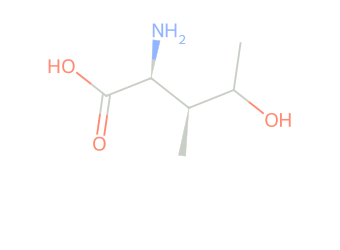
- Dose studied
- No standardized dose established
- Form graded
- Fenugreek seed extract
- Cited PMIDs PubMed ID: the permanent number the US National Library of Medicine gives a published paper. Each one links to that paper's record on PubMed.
- PMID 36837450 →
A letter describes the human evidence, not the product, the manufacturer, or the ingredient's worth.
See the full evidence record →Who responds: this record's trial reading reports no subgroup that identifies who responds.
Fenugreek (Trigonella foenum-graecum) for glycemic markers, graded on published human trial evidence.
A grade describes the intervention that was tested. Where the product on the shelf differs from it, this says so.
How this letter has changed · latest: October 2026 · Corrected
The record rested on one pooled analysis and said fenugreek lowered fasting glucose and HbA1c. That analysis, Shabil et al. (Medicina (Kaunas), 2023; PMID 36837450), found HbA1c lower but no change in fasting glucose. A PubMed search for every pooled analysis of fenugreek on blood glucose found three more that agree on both markers: Kim et al. (Int J Mol Sci, 2023; PMID 37762302), 10 randomized trials in type 2 diabetes or prediabetes; Fakhr et al. (Pharmacol Res, 2023; PMID 36470549), 29 randomized trials; and Neelakantan et al. (Nutr J, 2014; PMID 24438170), which also found the effect confined to medium or high doses in people with diabetes and most trials of low quality. Replicated The same finding reproduced by a separate research group. A result seen once can be chance or bias; a replicated one is harder to explain away. pooled evidence on glycemic surrogates is the written B definition, so the letter is unchanged; the record now states what each analysis found and the search that found them.PMID 36837450 PMID 37762302 PMID 36470549 PMID 24438170
Every change to a letter on this site is dated and published. The full evidence log →
Commercial disclosure
EBL earns no commission on any supplement it grades. A purchase made through the dispensary link below pays EBL nothing, the practitioner discount goes to you in full. The dispensary is Fullscript, a practitioner dispensary, and many of the professional-grade brands in it are sold mainly through practitioners rather than in health food stores. Grades are assigned by published rubric before any commercial relationship exists and are never influenced by one. Full disclosure.
No dose is published here. This record carries no authored dose, because the cited trials do not converge on a single figure. Each trial cited on this page states the dose it used, and EBL has not turned those into a recommendation.
Standardized extracts/forms were used in the cited trials; product quality varies.
The cited review pools trials and does not report when doses were taken (PMID 36837450).
Checked against the full published report. What the cited trials did, not a schedule. Every supplement, by trial timing →
Pregnancy: fenugreek has uterine-stimulant activity. Peanut and chickpea allergy, on cross-reactivity.
Diabetes medication, including insulin and sulfonylureas: fenugreek lowers fasting glucose and HbA1c in pooled randomized evidence, so the effect is additive and hypoglycemia is the failure mode. Anticoagulants: fenugreek contains coumarin derivatives, a mechanistic caution.
Fenugreek lowers fasting glucose and HbA1c. Pooled randomized evidence shows fenugreek lowers fasting glucose and HbA1c, so co-administration with insulin or a sulfonylurea is additive. Kim et al. (International Journal of Molecular Sciences, 2023; PMID 37762302): systematic review A review that searches for every study on a question using a method set in advance, then assesses them together. and meta-analysis of randomized controlled trials People are assigned to the treatment or a comparison by chance, so the groups differ only in what they received. It is the design that can show cause and effect. of fenugreek in type 2 diabetes and prediabetes. Shabil et al. (Medicina, 2023; PMID 36837450): systematic review and meta-analysis of fenugreek on hyperglycemia.
Fasting testosterone and free testosterone at baseline and 8 weeks for androgen-support applications; Fasting glucose and postprandial glucose for metabolic applications. The Testofen extract (600 mg/day, standardized to 50% fenuside) was the preparation used in the positive testosterone trials. The preparation matches your target outcome.
Primary evidenceFour papers, each linked to its PubMed record.
Kim et al. (Int J Mol Sci, 2023; PMID 37762302): meta-analysis of 10 randomized trials, 706 participants with type 2 diabetes or prediabetes; fenugreek lowered fasting glucose, 2-hour glucose and HbA1c, with no change in HOMA-IR. Fakhr et al. (Pharmacol Res, 2023; PMID 36470549): meta-analysis of 29 randomized trials; fasting plasma glucose 16.75 mg/dL lower. Neelakantan et al. (Nutr J, 2014; PMID 24438170): 10 trials; fasting glucose 0.96 mmol/L and HbA1c 0.85 percent lower, with the effect confined to medium or high doses in people with diabetes and most trials of low methodological quality. Shabil et al. (Medicina (Kaunas), 2023; PMID 36837450): 14 trials, 894 participants; HbA1c 0.88 lower, while fasting glucose (P = 0.76) and after-meal glucose (P = 0.72) did not change. Grade B: replicated across independent pooled analyses on glycemic surrogates, with one pooled analysis null on fasting glucose and trial quality mostly low.
Educational use only · Not medical advice · Starting, stopping or changing any supplement or medication is a decision for your physician
These statements have not been evaluated by the Food and Drug Administration. This product is not intended to diagnose, treat, cure, or prevent any disease. The grade on this page describes the strength of published human trial evidence in the populations studied. It is not a recommendation for any individual and is not medical advice. Starting, stopping or changing any supplement or medication is a decision for your physician.
This page carries a letter. EBL takes no commission, referral fee or payment of any kind on anything it grades. No letter has been bought and none is for sale.
How this is enforced
That is not a promise, it is a build condition. Two checks run on every deploy: one refuses to publish if a commission is claimed on anything graded, the other refuses if a page names a commercial relationship that is not declared in the register. If either fails, this page does not go live. You can read how the checks work, and what they do not cover, on the evidence integrity page.
How EBL searched for the trials (1 search)
The search that was run, what it returned, and what was left out and why, so the absence of evidence can be checked as well as its presence.
fenugreek[tiab] AND (glucose[tiab] OR HbA1c[tiab] OR glycemic[tiab] OR glycemic[tiab]) AND (meta-analysis[pt] OR systematic review[pt])Grades move when new trials publish. A free monthly email lists every grade EBL moved, with the reason and the trial behind it: the sign-up is on the Evidence Log →