Supplement
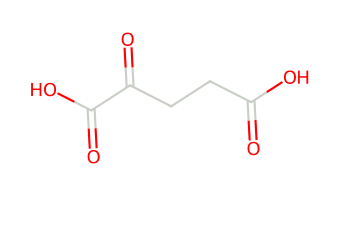
Calcium Alpha-Ketoglutarate (Ca-AKG)
No randomized trial of Ca-AKG on an aging outcome has reported.
Grade D, not yet tested: no human randomized trial has been run. This D records missing trials, not a finding that it does not work. How to read a grade →
Calcium AKG is a form of a molecule the body uses to make energy. It is sold to slow aging. No study in people has reported that it changes how people age. One study is now testing it against a dummy pill on a blood test meant to estimate body age. Its results are not out yet. The aging claim comes mostly from work in worms and mice.
A letter describes the human evidence, not the product, the manufacturer, or the ingredient's worth.
See the full evidence record →Who responds: this record's trial reading reports no subgroup that identifies who responds.
No human randomized trial has tested this at the dose and form graded, so there is nothing for a higher letter to rest on. A Route 1 Grade D records the absence of trials. It is not a finding against the compound, and it is not a finding that the compound is safe, because neither has been established. It may turn out to work once someone tests it. The grade moves when a qualifying human trial reports.
No randomized trial of Ca-AKG on an aging outcome has reported; a placebo-controlled trial on a methylation clock has not yet reported.
The trial that would change this grade.
A positive trial of this shape would move this entry to C.
Why the current trials fall short
The human data so far are an uncontrolled analysis of customers of the company selling an AKG formulation (PMID PubMed ID: the permanent number the US National Library of Medicine gives a published paper. Each one links to that paper's record on PubMed. 34847066) and a trial of a much higher dose in women with osteopenia that measured a bone-turnover marker (PMID 17896582). The lifespan and frailty results come from mice.
Why people believe itTwo human sources; no published case reports of benefit; no reports of harm.
The case for Ca-AKG is that alpha-ketoglutarate, a molecule the body makes in its energy cycle, falls with age, and that topping it up slows aging. In mice, adding it to food extended lifespan and reduced frailty. A trial of it on an aging clock in people has enrolled but has not reported.
What supporters point to, and what each source actually shows. None of it is enough to move this letter higher; the trial described above under Evidence wanted is what would.
- Human study, no comparison groupIn 42 customers of a company selling a formula of alpha-ketoglutarate with vitamins, a DNA methylation aging clock read about 8 years younger after about 7 months. There was no comparison group, and the formula has other ingredients. PMID 34847066
- Human trial, blood or body markerIn 76 women with thinning bones, 6 g a day of alpha-ketoglutarate with calcium lowered a marker of bone breakdown more than calcium alone over 6 months; bone density did not differ. A marker, at about six times the dose most products contain. PMID 17896582
A case report describes what happened to one or a few patients. It cannot show the treatment caused the change, and reports of success are published more often than reports of failure.
A PubMed search in October 2026 found no published case report of benefit for this use.
Searched PubMed, October 2026: 15 case report record(s) returned. None describes a person taking Ca-AKG. Two describe harm from multi-ingredient sports products containing arginine alpha-ketoglutarate, a different compound, and are not listed. The rest concern inherited metabolic disorders and unrelated cases.
Animal and laboratory workTwo studies in animals or cells. Not counted toward the letter.
None of this is human evidence and none of it counts toward the letter. It is listed so the reader can see what the idea rests on. Most findings in animals do not hold up when tested in people.
- MouseCalcium AKG added to the diet of aging mice extended lifespan, reduced frailty, and lowered circulating inflammatory cytokines. PMID 32877690 Several authors hold shares in Ponce de Leon Health, which sells an AKG product.
- Worm (C. elegans)Alpha-ketoglutarate extended the lifespan of adult worms; the authors traced the effect to inhibition of ATP synthase and TOR signaling. PMID 24828042
A registered trial is a plan, not a result. Each line says what a positive result would and would not change.
- NCT05706389 ABLE: randomized, double-blind, placebo-controlled; 1 g/day sustained-release calcium AKG for 6 months in 120 adults aged 40 to 60 whose methylation age exceeded their calendar age. Measuring: change in DNA methylation age (primary). Results expected: January 2027.A methylation clock is a marker, not an established stand-in for a clinical outcome, so a positive result could move this entry from D to C and no higher. One author has served on the scientific advisory board of Ponce de Leon Health.
How this letter has changed · latest: October 2026 · Corrected
The best-use line called the Demidenko 2021 report (PMID 34847066) an analysis of 'self-reported users'; it measured DNA methylation age in 42 customers, retrospectively, without controls, on a multi-ingredient product, and was authored in part from the company that sells it. All of that is now stated. The dose line presented a commercial product's twice-daily schedule as if trial-derived; removed, leaving the 1 g dose the ABLE trial (Lim 2025, PMID 40819772) tests. The endpoint type is now surrogate, since the planned human readout is a methylation clock. Letter unchanged.PMID 34847066 PMID 40819772
Every change to a letter on this site is dated and published. The full evidence log →
Commercial disclosure
EBL earns no commission on any supplement it grades. Grades are assigned by published rubric before any commercial relationship exists and are never influenced by one. Full disclosure.
Grade D Route 1 reflects the absence of any human randomized trial. Animal and mechanistic data only. Route 1 reflects limited, mixed, or single-trial human data not yet independently replicated. The biological rationale may be strong. The human evidence does not currently meet the bar for Grade B. EBL re-grades when new RCT Randomized controlled trial: people are assigned to the treatment or a comparison by chance, so the groups differ only in what they received. It is the design that can show cause and effect. evidence is published.
1,000 mg Ca-AKG daily (providing approximately 600 to 700 mg AKG), the dose the ABLE trial is testing.
Calcium alpha-ketoglutarate is the form being used in current human aging trials. Rejuvant is not clinically validated for age reversal: the published Rejuvant biological-age report was retrospective and used a multi-ingredient formulation.
The cited evidence is a mouse study (PMID 32877690) and an observational Research that watches what people already do rather than assigning a treatment. It can show that two things travel together, not that one causes the other. study of people taking a commercial formula at two tablets a day, which does not state a time (PMID 34847066). There is no randomized human trial timing on this record.
Checked against the full published reports. What the cited trials did, not a schedule. Every supplement, by trial timing →
How to buy this: quality criteria, not a brand
1,000mg Ca-AKG/day (Rejuvant studies dosed twice daily).
Calcium alpha-ketoglutarate (stable salt): free AKG is unstable. Rejuvant is the branded form with human data.
Ca-AKG form and the AKG yield stated.
Free/unstable AKG; no AKG yield on the label.
The grade and these criteria are set only from human trials. Any purchase link is convenience and does not affect the grade.
Pregnancy, on absence of data. Kidney disease, since calcium load matters there and the calcium salt is the common form. Long-term human safety data is limited to short trials.
No drug interaction has been identified in a human trial. Alpha-ketoglutarate is a substrate for a large family of dioxygenase enzymes, so interference with drugs acting on those pathways is conceivable and unstudied. Diabetes medication: AKG is a TCA cycle intermediate and glucose effects have been reported, so additive lowering is plausible and unmeasured. Calcium supplements: the calcium salt adds to total intake.
Mechanism-based, no human interaction study located. The drug interactions described for Calcium Alpha-Ketoglutarate (Ca-AKG) are mechanism-based. A PubMed search for human interaction, pharmacokinetic or co-administration studies pairing it with calcium returned no results in August 2026. The caution stands on pharmacology, not on a trial, and is labeled as such. Basis: pharmacological mechanism, not a human study. Searched PubMed in August 2026: 1 query, 0 human results.
No validated human outcome to track. Research context only.
Primary evidenceFour papers, each linked to its PubMed record.
Asadi Shahmirzadi et al. (Cell Metabolism, 2020; PMID 32877690): Ca-AKG extended lifespan in MICE. Demidenko et al. (Aging, 2021; PMID 34847066): retrospective, uncontrolled analysis of a DNA methylation age test in 42 customers taking Rejuvant, an alpha-ketoglutarate formulation with added vitamins, for about 7 months; authored in part from Ponce de Leon Health, the company that sells it, and the methylation testing was done under a customer-service agreement with that company. Filip et al. (Int J Vitam Nutr Res, 2007; PMID 17896582): randomized trial of alpha-ketoglutarate calcium at 6 g/day in women with osteopenia; a bone-turnover marker fell; different dose, population and endpoint. Lim et al. (Exp Gerontol, 2025; PMID 40819772): recruitment report of the ABLE placebo-controlled trial of 1 g Ca-AKG; results not yet published. D Route 1: no controlled human trial on an aging outcome.
Educational use only · Not medical advice · Starting, stopping or changing any supplement or medication is a decision for your physician
These statements have not been evaluated by the Food and Drug Administration. This product is not intended to diagnose, treat, cure, or prevent any disease. The grade on this page describes the strength of published human trial evidence in the populations studied. It is not a recommendation for any individual and is not medical advice. Starting, stopping or changing any supplement or medication is a decision for your physician.
This page carries a letter. EBL takes no commission, referral fee or payment of any kind on anything it grades. No letter has been bought and none is for sale.
How this is enforced
That is not a promise, it is a build condition. Two checks run on every deploy: one refuses to publish if a commission is claimed on anything graded, the other refuses if a page names a commercial relationship that is not declared in the register. If either fails, this page does not go live. You can read how the checks work, and what they do not cover, on the evidence integrity page.
Grades move when new trials publish. A free monthly email lists every grade EBL moved, with the reason and the trial behind it: the sign-up is on the Evidence Log →