Supplement · graded by use, three uses
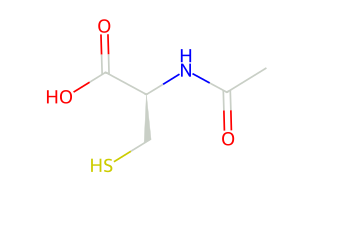
NAC (N-Acetyl Cysteine)
Symptoms in schizophrenia, as an adjunct A treatment tested on top of standard prescribed therapy rather than in place of it. to antipsychotic treatment.
Grade C: human trials exist, but they are small, mixed or not yet repeated. This is not a finding that it does not work. How to read a grade →
NAC is a form of an amino acid the body uses to make a natural protective substance. It has been tested for a few problems. In schizophrenia, added to regular medicine, results were mixed. In serious lung disease, it cut flare-ups in some studies but not others. In women with a hormone problem that blocks ovulation, one study added it to a fertility drug. None of these results is strong yet.
The C belongs to one of the three uses graded on this record. The other two carry their own letters.
As studied, and the trials
Mixed. The original 140-patient trial found PANSS scores improved over 24 weeks (Berk et al., 2008; PMID PubMed ID: the permanent number the US National Library of Medicine gives a published paper. Each one links to that paper's record on PubMed. 18436195), and a 7-trial meta-analysis A study that pools the numbers from several trials into one combined estimate. found negative and total symptoms improved only after 24 weeks (Yolland et al., 2020; PMID 31826654). A later 8-trial meta-analysis found no PANSS difference at any time point (Zhang et al., 2024; PMID 37712506), the one-year trial in clozapine-resistant patients was null (Neill et al., 2022; PMID 35857752), and the early-psychosis trial was null on symptoms with processing speed improved (Conus et al., 2018; PMID 29462456). PANSS is a clinician-rated scale in double-blind Neither the participants nor the people assessing them know who received the real treatment until the trial ends. trials. Mixed randomized evidence is C.
As studied, and the trials
Mixed and dose-dependent. Two Chinese trials at 600 mg twice daily reduced exacerbations: PANTHEON, 1,006 patients, risk ratio 0.78 (Zheng et al., 2014; PMID 24621680), whose full report states funding by the maker of the studied product, and HIACE, 120 patients (Tse et al., 2013; PMID 23348146). Two trials were null: BRONCUS at 600 mg once daily over 3 years (Decramer et al., 2005; PMID 15866309) and a 968-patient non-commercial trial at 600 mg twice daily in mild to moderate COPD, relative risk The risk in one group expressed as a share of the risk in another. It can make a small absolute difference look large. 0.90 with an interval crossing 1 (Zhou et al., 2024; PMID 39349461). Exacerbations are clinical events. Positive trials in moderate to severe disease against null trials at a lower dose and in milder disease: mixed, C. Re-adjudicated by the editor in October 2026 and kept at C. Within the use as written, 600 mg twice daily in moderate to severe disease, PANTHEON is positive on its primary endpoint The one outcome a trial names in advance as its main test. Results on other outcomes carry less weight., but HIACE found fewer exacerbations as a secondary endpoint An outcome a trial also measures but did not choose as its main test. in 120 patients, with a manufacturer's employee among its authors. The one trial at this dose with no commercial funding (Zhou et al., 2024; PMID 39349461) came from the PANTHEON group itself and was null in patients with lung function of 50 percent predicted and above, which overlaps the moderate band where PANTHEON found its effect strongest.
As studied, and the trials
Rizk et al. (Fertil Steril, 2005; PMID 15705376): double-blind placebo-controlled trial, 150 women; ovulation 49.3 against 1.3 percent and pregnancy 21.3 against 0 percent with NAC added to clomiphene. The one trial this record cites for the use; later trials and pooled analyses of NAC in PCOS were not reviewed in this pass, so the row is graded on the single cited trial, C.
Read the grade that matches your goal. How EBL grades by use →
A letter describes the human evidence, not the product, the manufacturer, or the ingredient's worth.
See the full evidence record →Symptoms in schizophrenia as an adjunct to antipsychotics, mixed trials at 2 g/day; COPD exacerbations and a PCOS adjuvant trial also C.
As studied: dose, form, population and duration for every use
A grade describes the intervention that was tested. Where the product on the shelf differs from it, this says so.
The trial that would change this grade.
A positive trial of this shape, supported by further trials, would move this entry to B.
Why the current trials fall short
The schizophrenia trials disagree: one pooled analysis found benefit only after 24 weeks of treatment, and a later one of eight trials found none. One adequately sized trial run long enough to show whether the effect holds is what is missing.
Why people believe itTwo human sources; four published case reports of benefit; one report of harm.
The case for NAC is that it supplies cysteine, which the body needs to make glutathione, its main internal antioxidant, and that it adjusts glutamate signaling in the brain. Hospitals have used it for decades as the antidote to acetaminophen poisoning. Trials in schizophrenia, lung disease and compulsive habits such as hair pulling have found benefits, though not consistently.
What supporters point to, and what each source actually shows. None of it is enough to move this letter higher; the trial described above under Evidence wanted is what would.
- Human trial, a different useIn 50 adults with trichotillomania, compulsive hair pulling, 56 percent improved much or very much on NAC over 12 weeks, against 16 percent on placebo An inactive substitute made to look like the real treatment, so participants cannot tell which one they received.. A different use from the one graded here. PMID 19581567
- Human trial, blood or body markerIn 24 older adults, 16 weeks of glycine with NAC raised glutathione and improved markers of oxidative stress and mitochondrial function, along with gait speed and strength, against an alanine placebo. A small trial of the combination, so it cannot show what NAC does alone. PMID 35975308
A case report describes what happened to one or a few patients. It cannot show the treatment caused the change, and reports of success are published more often than reports of failure.
- A patient with skin picking disorder improved on over-the-counter NAC. One patient, with no comparison. PMID 38435146
- A 17-year-old with hair twirling that left bald patches improved markedly over 6 months on NAC at up to 1,200 mg twice a day. One patient, with no comparison. PMID 35647220
- Four teenagers with autism and severe irritability had less irritability, or needed lower antipsychotic doses, after starting NAC. The authors note they cannot tell whether NAC or their other treatment caused the change. PMID 32071590
- In five patients with schizophrenia, drooling caused by clozapine, an antipsychotic, lessened over 4 weeks of added NAC. A case series with no comparison group. PMID 31743234
- A report of a person who treated an acetaminophen overdose with NAC bought as a supplement, in place of hospital treatment. No abstract is indexed; the title reports the self-treatment. PMID 21515859
Searched PubMed, October 2026: 36 case report record(s) returned. Four describe improvement with supplement NAC, in skin picking, hair pulling, irritability in autism and clozapine drooling, and are listed. One describes self-treatment of an overdose with supplement NAC and is listed under harm. Most of the rest concern NAC given in hospital as an antidote for acetaminophen and other poisonings, inherited and mitochondrial disorders, animal cases, and single patients given NAC alongside other treatment.
How this letter has changed · latest: October 2026 · Corrected
Zheng et al. (Lancet Respir Med, 2014; PMID 24621680), PANTHEON, reduced exacerbations at 600 mg twice daily in moderate to severe COPD. Tse et al. (Chest, 2013; PMID 23348146), HIACE, found the same as a secondary endpoint in 120 patients, with a manufacturer's employee among the authors. Zhou et al. (Nat Commun, 2024; PMID 39349461), from the PANTHEON group and without commercial funding, found no reduction at the same dose in mild to moderate disease, a population that overlaps the moderate band. The editor kept the use at C in October 2026: the replication The same finding reproduced by a separate research group. A result seen once can be chance or bias; a replicated one is harder to explain away. is not strong enough to carry the letter higher. No letter changed (Arnold Sandlow, D.C.).PMID 23348146 PMID 24621680 PMID 39349461
The headline C rested on one meta-analysis in schizophrenia while the best-use line listed glutathione, antioxidant, liver, mucolytic and insulin-sensitivity claims none of the cited trials tested, and the ref said cognition was not an outcome when Yolland et al. (2020; PMID 31826654) measured it. Schizophrenia is now a row: Berk 2008 (PMID 18436195) and Yolland positive after 24 weeks, Zhang et al. (2024; PMID 37712506) null across 8 trials, Neill et al. (2022; PMID 35857752) and Conus et al. (2018; PMID 29462456) null on symptoms, mixed, C. COPD exacerbations, NAC's best-studied use and absent from the record, are a row: PANTHEON (Zheng et al., Lancet Respir Med, 2014; PMID 24621680) and HIACE (Tse et al., Chest, 2013; PMID 23348146) positive at 600 mg twice daily, BRONCUS (Decramer et al., Lancet, 2005; PMID 15866309) and Zhou et al. (Nat Commun, 2024; PMID 39349461) null, mixed, C. The condition-page PCOS row (Rizk et al., 2005; PMID 15705376) is given its own row at C as a single cited trial. The endpoint type is corrected to clinician-rated, the dose line to the trial doses. The headline stays C. Applied the written grade definition under the editor's standing instruction of October 2026 (Arnold Sandlow, D.C.).PMID 15705376 PMID 15866309 PMID 18436195 PMID 23348146 PMID 24621680 PMID 29462456 PMID 31826654 PMID 35857752 PMID 37712506 PMID 39349461
Every change to a letter on this site is dated and published. The full evidence log →
Commercial disclosure
EBL earns no commission on any supplement it grades. A purchase made through the dispensary link below pays EBL nothing, the practitioner discount goes to you in full. The dispensary is Fullscript, a practitioner dispensary, and many of the professional-grade brands in it are sold mainly through practitioners rather than in health food stores. Grades are assigned by published rubric before any commercial relationship exists and are never influenced by one. Full disclosure.
As studied: 1 g twice daily (2 g/day) in the schizophrenia trials, up to 2.7 g/day in early psychosis; 600 mg twice daily (1.2 g/day) in the COPD trials that reduced exacerbations, with 600 mg once daily null; 1.2 g/day in the polycystic ovary trial. The 600 mg/day common on labels was not the dose in any positive trial here.
Standard L-NAC is well-studied.
The schizophrenia trials gave 1 g twice daily (PMID 18436195, PMID 35857752) and the COPD trials 600 mg twice daily (PMID 24621680, PMID 23348146); none states a time of day or a relation to food. The GlyNAC trial summary does not state timing (PMID 35975308).
Checked against the published summaries; the full papers could not be read. What the cited trials did, not a schedule. Every supplement, by trial timing →
Asthma: inhaled and high oral doses have provoked bronchospasm. Pregnancy, on absence of data at supplemental doses.
Nitroglycerin: NAC potentiates its vasodilatory effect, which can produce severe headache and hypotension. This is the interaction most likely to be felt. Anticoagulants and antiplatelets: NAC has antiplatelet activity. Chemotherapy: an antioxidant during treatment is an oncology decision. Activated charcoal reduces oral NAC absorption.
The nitroglycerin potentiation is measured in randomized human trials, including the headache. This is the best-evidenced interaction on the page and the one a person would actually feel. NAC is a sulfhydryl donor, nitroglycerin needs free sulfhydryl groups to activate guanylate cyclase, and randomized human studies have measured the consequence directly: a potentiated headache and arterial dilation response, and potentiated inhibition of platelet aggregation. Note the doses: the trials used intravenous NAC at 100 to 150 mg/kg or 10 g/day, far above supplemental intake, so the direction is established in humans but the magnitude at a supplement dose is not. Iversen et al. (Clinical Pharmacology and Therapeutics, 1992;52(2):125-33; PMID 1505148): randomized trial, 11 healthy volunteers, NAC 100 mg/kg potentiated nitroglycerin-induced headache and cranial arterial dilation. Horowitz et al. (Circulation, 1988;77(4):787-94; PMID 3127076): controlled trial in unstable angina, intravenous nitroglycerin with continuous NAC 10 g/day. Hogan et al. (British Journal of Clinical Pharmacology, 1989;27(5):617-9; PMID 2503018): double-blind randomized crossover A trial design in which each participant receives both the treatment and the comparison, one after the other, and serves as their own control., 8 volunteers, transdermal glyceryl trinitrate with oral NAC 200 mg three times daily and ex vivo platelet aggregation.
NAC has measurable anticoagulant and antiplatelet activity in humans, at intravenous doses. A randomized double-blind trial in surgical patients measured it rather than inferring it: prothrombin time fell markedly more on NAC than on placebo and platelet aggregation decreased. The dose was intravenous and large, so this describes the pharmacology of NAC rather than the risk of a capsule. In the opposite direction, a study asking whether NAC could reverse clopidogrel found the reduction of that disulfide bond does not translate into restored platelet function, so the interaction runs toward more bleeding tendency, not less. Niemi et al. (Blood Coagulation and Fibrinolysis, 2006;17(1):29-34; PMID 16607076): randomized double-blinded trial, 20 patients undergoing abdominal aortic aneurysm repair, intravenous NAC 150 mg/kg bolus then 150 mg/kg over 24 hours; median prothrombin time fell 33.0 percent versus 6.5 percent on placebo (P<0.001), with reduced ADP-induced platelet aggregation. Campbell et al. (American Heart Journal, 2005;150(4):796-9; PMID 16209984): in vivo and in vitro study of whether NAC reverses the antiplatelet effect of clopidogrel.
The charcoal claim is measured in humans; the chemotherapy line is a deferral, not a finding. Activated charcoal adsorbs NAC and reduces its oral absorption, measured in a human study, which is why the two are separated in overdose management. The chemotherapy sentence is a different kind of statement and should be read as one: no human trial has tested whether supplemental NAC changes the efficacy of a cancer treatment. The concern is mechanistic, that an antioxidant might blunt an oxidative mechanism of action, and the only direct tests of it are in animals. The page defers the question to the treating oncologist because the evidence to answer it does not exist. Renzi et al. (Annals of Emergency Medicine, 1985;14(6):568-72; PMID 3994080): study of the effect of activated charcoal on N-acetylcysteine absorption when the two are given concomitantly.
For the graded uses, the measure the trials used: the PANSS or a clinician symptom scale over 24 weeks in schizophrenia; exacerbation count over a year in COPD. Glutathione levels, liver enzymes and inflammatory markers are mechanism readouts, not graded endpoints.
Primary evidenceEleven papers, each linked to its PubMed record.
Schizophrenia. Berk et al. (Biol Psychiatry, 2008; PMID 18436195): 140 patients with chronic schizophrenia, 1 g twice daily for 24 weeks added to antipsychotics; PANSS total, negative and general scores improved more than placebo. Yolland et al. (Aust N Z J Psychiatry, 2020; PMID 31826654): meta-analysis of 7 randomized trials, 440 patients; PANSS negative and total scores improved only after 24 weeks of treatment, and the working memory domain of cognition improved. Zhang et al. (Hum Psychopharmacol, 2024; PMID 37712506): meta-analysis of 8 trials, 594 patients; no difference from placebo on any PANSS score at or beyond 24 weeks. Neill et al. (Schizophr Bull, 2022; PMID 35857752): 84 clozapine-resistant patients, 2 g/day for a year, publicly funded; no effect on negative symptoms, cognition or quality of life. Conus et al. (Schizophr Bull, 2018; PMID 29462456): 63 early-psychosis patients, 2.7 g/day for 6 months; no change in symptoms, processing speed improved. COPD exacerbations. Zheng et al. (Lancet Respir Med, 2014; PMID 24621680), PANTHEON: 1,006 Chinese patients with moderate to severe COPD, 600 mg twice daily for a year; exacerbations 1.16 against 1.49 per patient-year (risk ratio 0.78); the full report states funding by the maker of the studied product. Tse et al. (Chest, 2013; PMID 23348146), HIACE: 120 patients, 600 mg twice daily for a year; exacerbations 0.96 against 1.71 per year. Decramer et al. (Lancet, 2005; PMID 15866309), BRONCUS: 523 patients, 600 mg once daily for 3 years; no effect on lung function decline or exacerbations. Zhou et al. (Nat Commun, 2024; PMID 39349461): 968 patients with mild to moderate COPD, 600 mg twice daily for 2 years, no commercial funding; exacerbation rate not significantly lower (0.65 against 0.72 per patient-year, relative risk 0.90, 95% CI 0.80 to 1.02) and lung function unchanged. Polycystic ovary syndrome. Rizk et al. (Fertil Steril, 2005; PMID 15705376): 150 women with clomiphene-resistant PCOS, 1.2 g/day added to clomiphene; ovulation 49.3 against 1.3 percent and pregnancy 21.3 against 0 percent. Combination. Kumar et al. (J Gerontol A Biol Sci Med Sci, 2023; PMID 35975308) studied GlyNAC, the glycine plus N-acetylcysteine combination, in 24 older adults; it cannot carry a grade for NAC alone and is graded under its own entry. Grade C: mixed randomized evidence in each graded use.
Educational use only · Not medical advice · Starting, stopping or changing any supplement or medication is a decision for your physician
These statements have not been evaluated by the Food and Drug Administration. This product is not intended to diagnose, treat, cure, or prevent any disease. The grade on this page describes the strength of published human trial evidence in the populations studied. It is not a recommendation for any individual and is not medical advice. Starting, stopping or changing any supplement or medication is a decision for your physician.
Trials report an average. This box says whether any trial on this record looked at who the result applies to, and what it found.
For COPD exacerbation rate at 600 mg twice daily in moderate to severe COPD, Grade C · Subgroup tested, effect differedPANTHEON (Zheng et al., 2014; PMID 24621680) found its effect strongest in moderate disease. A later non-commercial trial from the same group (Zhou et al., 2024; PMID 39349461) was null in patients with lung function of 50 percent predicted and above, which overlaps that band. A subgroup result shows who the effect appeared in within these trials. It does not change the letter.
This page carries a letter. EBL takes no commission, referral fee or payment of any kind on anything it grades. No letter has been bought and none is for sale.
How this is enforced
That is not a promise, it is a build condition. Two checks run on every deploy: one refuses to publish if a commission is claimed on anything graded, the other refuses if a page names a commercial relationship that is not declared in the register. If either fails, this page does not go live. You can read how the checks work, and what they do not cover, on the evidence integrity page.
How EBL searched for the trials (1 search)
The search that was run, what it returned, and what was left out and why, so the absence of evidence can be checked as well as its presence.
(N-acetylcysteine[tiab] OR acetylcysteine[tiab] OR NAC[tiab]) AND (schizophrenia[tiab] OR psychosis[tiab]) AND (randomized controlled trial[pt] OR meta-analysis[pt])Grades move when new trials publish. A free monthly email lists every grade EBL moved, with the reason and the trial behind it: the sign-up is on the Evidence Log →