Supplement · graded by use, three uses
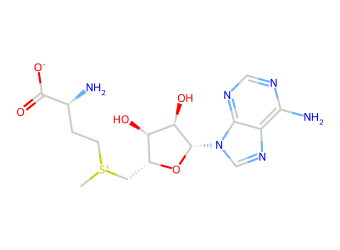
SAM-e (S-adenosyl-L-methionine)
Major depressive disorder, SAM-e as monotherapy.
Grade C: human trials exist, but they are small, mixed or not yet repeated. This is not a finding that it does not work. How to read a grade →
SAM-e is a compound the body makes, sold for low mood and joint pain. Taken alone for depression, reviews of the studies disagree. One large review found it beat a dummy pill, while others found no clear gain. Added to an antidepressant, it did not help. For knee or hip arthritis, it did not ease pain or improve movement.
The C belongs to one of the three uses graded on this record. The other two carry their own letters.
As studied, and the trials
Pooled analyses disagree. Limveeraprajak et al. (Prog Neuropsychopharmacol Biol Psychiatry, 2024; PMID PubMed ID: the permanent number the US National Library of Medicine gives a published paper. Each one links to that paper's record on PubMed. 38423354): 23 trials, 2,183 patients; SAM-e alone beat placebo An inactive substitute made to look like the real treatment, so participants cannot tell which one they received. (SMD -0.58, 95% CI -0.93 to -0.23, 11 placebo trials, high heterogeneity How much the results of the pooled trials differ from each other. High heterogeneity makes a combined estimate less reliable.), rated moderate certainty by the authors. Galizia et al. (Cochrane, 2016; PMID 27727432): 8 trials, 934 adults, no strong evidence of a difference from placebo. Peng et al. (Gen Hosp Psychiatry, 2024; PMID 38199136): 14 trials, 1,522 patients, no significant difference from placebo as monotherapy. The best modern trials are null: Mischoulon et al. (J Clin Psychiatry, 2014; PMID 24500245), SAM-e against escitalopram against placebo, no arm separated; Sarris et al. (Psychopharmacology, 2020; PMID 31712971), non-significant. Positive and null pooled analyses side by side on a clinician-rated scale is mixed randomized evidence: C, not D on Route 2 Human randomized trials have been run and did not show benefit on the stated outcome. One of the two routes to the lowest letter on EBL's scale.. The two null pooled analyses are carried on this use as tested-no-benefit payloads beside the positive one; the letter is C because they disagree, not because either is discounted. Sarris 2020 was a 49-person pilot with a 3.76-point MADRS difference favoring SAM-e that did not reach significance against a 53 percent placebo response, and Peng 2024 also found no difference from imipramine or escitalopram.
As studied, and the trials
Tested as an add-on and found no benefit. Papakostas et al. (Am J Psychiatry, 2010; PMID 20595412): 73 non-responders, 6 weeks, higher response and remission on SAM-e; the authors called the result preliminary. Three later trials are null: Targum et al. (J Psychiatr Res, 2018; PMID 30368163), 234 patients, no difference on any of three rating scales; Sarris et al. (Eur Neuropsychopharmacol, 2018; PMID 30115553), 107 non-remitters, no between-group difference; and the pooled add-on comparison in Limveeraprajak et al. (2024; PMID 38423354; SMD -0.22, 95% CI -0.63 to 0.19) and Peng et al. (2024; PMID 38199136) is not significant. One early positive trial and three null trials, pooled null: D on Route 2. A 2026 trial of 1,200 mg added to trauma-focused therapy in 31 adults found no added clinical benefit (Alkema et al., Epigenomics, 2026; PMID 42027147). A 2025 network meta-analysis A study that pools the numbers from several trials into one combined estimate. ranked the add-on effective by indirect comparison (Cheng et al., PMID 40314175); the direct trials, including the largest, are null, and direct evidence governs the letter.
As studied, and the trials
Tested without benefit on pain. The Cochrane review pooled 4 placebo-controlled trials, 656 patients: pain SMD -0.17 with a confidence interval The range the true effect probably falls in. A wide interval means the estimate is uncertain. crossing zero, no effect on function, poor trial quality (Rutjes et al., 2009; PMID 19821403). Soeken et al. (2002; PMID 12019049) likewise found no pain benefit over placebo in 2 trials, with a functional limitation signal from those same 2 trials. Pain on a visual analog scale is self-reported. D on Route 2.
Read the grade that matches your goal. How EBL grades by use →
A letter describes the human evidence, not the product, the manufacturer, or the ingredient's worth.
See the full evidence record →Depression, SAM-e alone: pooled randomized trials disagree, one positive and two null. Clinician-rated scales, mixed evidence.
Why this gradeGrade C, small or unreplicated trials. The reasoning, and what the grade does not cover.
Grade C, the record's best use: SAM-e as monotherapy for major depressive disorder, where pooled analyses of randomized trials disagree. Limveeraprajak et al. (Prog Neuropsychopharmacol Biol Psychiatry, 2024; PMID 38423354) pooled 23 trials, 2,183 patients, and found SAM-e alone beat placebo (SMD -0.58, high heterogeneity, moderate certainty by the authors); the Cochrane review (Galizia et al., 2016; PMID 27727432; 8 trials, 934 adults) and Peng et al. (Gen Hosp Psychiatry, 2024; PMID 38199136; 14 trials, 1,522 patients) found no significant difference from placebo. The best modern trials are null: Mischoulon et al. (J Clin Psychiatry, 2014; PMID 24500245), SAM-e against escitalopram against placebo, all three arms improved 5 to 6 points on the HDRS-17 and neither drug beat placebo, and Sarris et al. (Psychopharmacology, 2020; PMID 31712971), non-significant. Positive and null pooled analyses side by side on a clinician-rated scale is mixed randomized evidence, which the written rule calls C.
WHY NOT DRoute 2 requires that the trials did not show benefit, and one moderate-certainty pooling says they did.
WHY NOT Bthe pooled analyses contradict each other and the largest modern trials are null. TWO USES ARE D ON ROUTE 2
AND STAY THERESAM-e added to an antidepressant, where Targum et al. (J Psychiatr Res, 2018; PMID 30368163; 234 patients) and Sarris et al. (Eur Neuropsychopharmacol, 2018; PMID 30115553; 107 patients) were null and the pooled add-on comparison is not significant, against one early 73-person trial (Papakostas et al., Am J Psychiatry, 2010; PMID 20595412); and knee or hip osteoarthritis, where the Cochrane review (PMID 19821403; 4 trials, 656 patients) found a pain difference of about 0.4 cm on a 10 cm scale with a confidence interval crossing zero.
WHAT THIS GRADE DOES NOT COVERintravenous or parenteral SAM-e, and its use in liver disease, where the endpoints The outcome a trial measures to decide whether the treatment worked, such as heart attacks, blood pressure or a symptom score. studied are biochemical rather than clinical. Reading rewritten October 2026 to match the letter the record has held since October.
A grade describes the human evidence for a named use. It is not advice, and it is not a judgment on any individual prescription. How the letters are decided →
How this letter has changed · latest: October 2026 · Corrected
The headline moved D to C in October to follow the monotherapy use, and the grade reading still opened 'Grade D on Route 2', so the page argued for a letter it did not carry. The reading now states the C: pooled analyses of randomized trials disagree (Limveeraprajak et al., 2024, PMID 38423354, positive; Galizia et al., Cochrane, 2016, PMID 27727432, and Peng et al., 2024, PMID 38199136, null), which is mixed randomized evidence and C by definition; the add-on and osteoarthritis uses stay D Route 2 on null trials. The 'editor to confirm C or hold D' review is closed: Route 2 requires that the trials showed no benefit, and one moderate-certainty pooling says they did. Applied the written grade definition under the editor's standing instruction of October 2026 (Arnold Sandlow, D.C.).PMID 27727432 PMID 38199136 PMID 38423354
Text corrections after the letters were set in October. The dose line attributed 1,600 to 3,200 mg/day to Sarris 2020 (PMID 31712971), which used 800 mg/day in a 49-person pilot whose 3.76-point difference favoring SAM-e did not reach significance; both are now stated. Peng et al. (2024; PMID 38199136) found no difference from imipramine or escitalopram as well as from placebo. Added: a third null add-on trial (Alkema et al., Epigenomics, 2026; PMID 42027147), the 2025 network meta-analysis ranking the add-on effective by indirect comparison (Cheng et al., PMID 40314175) with the note that direct trials govern, and the Soeken osteoarthritis pool (2002; PMID 12019049). The endpoint types are corrected: clinician-rated scales in depression, self-reported pain in osteoarthritis. Safety now records the mania or hypomania reports and the serotonin-syndrome-like case. Letters unchanged. Applied the written grade definition under the editor's standing instruction of October 2026 (Arnold Sandlow, D.C.).PMID 12019049 PMID 31712971 PMID 38199136 PMID 40314175 PMID 42027147
The record graded SAM-e D on Route 2 for depression as monotherapy or add-on together, on two null pooled analyses (Galizia et al., Cochrane, 2016; PMID 27727432; Peng et al., Gen Hosp Psychiatry, 2024; PMID 38199136). The largest and most recent pooled analysis, Limveeraprajak et al. (Prog Neuropsychopharmacol Biol Psychiatry, 2024; PMID 38423354; 23 trials, 2,183 patients), finds SAM-e alone superior to placebo (SMD -0.58) and SAM-e as an add-on not. Two questions with two answers were under one letter. Monotherapy, with positive and null pooled analyses side by side and the best modern trials null (Mischoulon et al., 2014; PMID 24500245; Sarris et al., 2020; PMID 31712971), is mixed evidence, C. Add-on use, with one early positive trial (Papakostas et al., 2010; PMID 20595412; 73 patients) and the two larger later trials null (Targum et al., 2018; PMID 30368163; Sarris et al., 2018; PMID 30115553), stays D on Route 2. Moved October 2026 by editor adjudication (Arnold Sandlow, D.C.) of a use-specific literature search, every trial re-fetched from PubMed before the letter rose; the search is recorded on the record.PMID 38423354 PMID 27727432 PMID 38199136 PMID 24500245 PMID 31712971 PMID 20595412 PMID 30368163 PMID 30115553
SAM-e (S-adenosyl-L-methionine) enters the database at Grade D on Route 2: tested, no benefit demonstrated. Galizia et al. (Cochrane Database of Systematic Reviews A review that searches for every study on a question using a method set in advance, then assesses them together., 2016; PMID 27727432) pooled 8 randomized trials in 934 adults and found no strong evidence of a difference from placebo as monotherapy. Peng et al. (General Hospital Psychiatry, 2024; PMID 38199136) pooled 14 trials in 1,522 subjects and found no significant difference from placebo as monotherapy or as an adjunct A treatment tested on top of standard prescribed therapy rather than in place of it.. Rutjes et al. (Cochrane Database of Systematic Reviews, 2009; PMID 19821403) found a pain difference of about 0.4 cm on a 10 cm scale in knee or hip osteoarthritis, with a confidence interval crossing zero. In the three-arm trial of Mischoulon et al. (Journal of Clinical Psychiatry, 2014; PMID 24500245), neither SAM-e nor escitalopram beat placebo.PMID 27727432 PMID 38199136 PMID 19821403 PMID 24500245
Every change to a letter on this site is dated and published. The full evidence log →
Commercial disclosure
EBL earns no commission on any supplement it grades. Grades are assigned by published rubric before any commercial relationship exists and are never influenced by one. Full disclosure.
SAM-e was not skipped. For depression as a stand-alone treatment the pooled randomized trials disagree, one 2024 analysis finding a moderate benefit over placebo and the Cochrane and 2024 Peng analyses finding none, which is mixed evidence and a C. Added to an antidepressant, and for osteoarthritis, the trials were pooled and did not separate from placebo: those uses stay D, tested and no benefit shown. Grade D does not mean harm was found.
No dose can be stated as the studied dose. Across the 14 trials pooled in 2024 (PMID 38199136) the daily dose ranged from 200 mg to 3,200 mg, a sixteen-fold spread, over 2 to 12 weeks. The trials that came closest to a clean comparison used 1,600 to 3,200 mg/day orally (PMID 24500245) and 800 mg/day (PMID 31712971). A spread that wide is itself a finding: it means no dose-response relationship was established in people.
SAM-e is unstable and is sold as a salt, usually tosylate disulfate or butanedisulfonate, in enteric-coated tablets. The trials used defined pharmaceutical preparations, oral or parenteral. A shelf product's actual SAM-e content depends on the salt and on storage, and no trial has compared commercial preparations against each other.
The cited trials gave daily doses (PMID 24500245, PMID 31712971). They do not state a time of day or whether doses were taken with food.
Checked against the full report for 1 of the 2 cited studies, and the published summary for the rest. What the cited trials did, not a schedule. Every supplement, by trial timing →
Bipolar disorder, on mechanism: SAM-e has been studied as an antidepressant and antidepressants can precipitate a switch into mania, which is why the bipolar trials were conducted in people already on mood stabilizers. Pregnancy and breastfeeding, where supplemental use has not been studied. Safety signals from the trials: the Cochrane depression review recorded two reports of mania or hypomania among 441 participants on SAM-e (PMID 27727432), and one add-on trial reported serotonin-syndrome-like symptoms in a participant taking SAM-e with an antidepressant (PMID 30115553).
Serotonergic drugs, on mechanism rather than on a trial: SAM-e's antidepressant-like effect in animals involves 5-HT1A receptor activation (PMID 36402294), which is the pathway that makes combination with an SSRI, SNRI, MAOI or tricyclic a theoretical concern. No randomized trial has tested that combination for harm. The adjunctive trials that gave SAM-e alongside SSRIs reported it as tolerated. The reported adverse effects are mainly gastrointestinal: in the three-arm trial (PMID 24500245), 19% reported stomach discomfort and 20% diarrhea on SAM-e.
SAM-e alongside serotonergic drugs is a mechanism concern, not a tested one. SAM-e's antidepressant-like effect involves 5-HT1A receptor activation in animal work, which is the basis for caution when it is taken with an SSRI, SNRI, MAOI or tricyclic. No randomized trial has tested that combination for harm, and the adjunctive trials that gave SAM-e with an SSRI reported it as tolerated. Sales et al. (Neurochemistry International, 2023; PMID 36402294): SAM-e's antidepressant-like effects involve activation of 5-HT1A receptors, in animals. ABSENCE CHECK: PubMed searched September 2026 for "S-Adenosylmethionine"[Mesh] AND (serotonin syndrome[tiab] OR serotonergic[tiab]); no human interaction trial and no indexed case series returned.
Gastrointestinal effects were the common ones in trial. In the three-arm randomized trial of SAM-e, escitalopram and placebo, 19% of the SAM-e arm reported stomach discomfort and 20% reported diarrhea, which were the most common adverse effects in that arm. Mischoulon et al. (Journal of Clinical Psychiatry, 2014; PMID 24500245): reported tolerability by arm.
The trials measured depression with a repeated validated rating scale (HDRS-17 or MADRS) and osteoarthritis with a pain and function score. There is no blood marker that reports whether supplemental SAM-e is working.
Primary evidenceTwelve papers, each linked to its PubMed record.
Limveeraprajak et al. (Prog Neuropsychopharmacol Biol Psychiatry, 2024; PMID 38423354): 23 randomized trials, 2,183 patients; SAM-e alone beat placebo (SMD -0.58) while SAM-e added to an antidepressant did not. Galizia et al. (Cochrane Database of Systematic Reviews, 2016; PMID 27727432): 8 randomized trials in depression, 934 adults, no strong evidence of a difference from placebo as monotherapy. Peng et al. (General Hospital Psychiatry, 2024; PMID 38199136): 14 trials in depression, 1,522 subjects, no significant difference from placebo as monotherapy or as adjuvant therapy, and no difference from imipramine or escitalopram either; equivalence to an active drug is not proof of efficacy when neither beat placebo in the modern trials. Cheng et al. (Psychol Med, 2025; PMID 40314175): network meta-analysis of 192 nutraceutical trials, SAM-e added to an antidepressant ranked effective, a pooled ranking that the direct add-on trials below do not support. Mischoulon et al. (Journal of Clinical Psychiatry, 2014; PMID 24500245): SAM-e versus escitalopram versus placebo in depression, no arm separated from placebo. Sarris et al. (Psychopharmacology, 2020; PMID 31712971): 49-person pilot, 800 mg/day for 8 weeks, a 3.76-point MADRS difference favoring SAM-e (effect size How large a difference the treatment made, as distinct from whether the difference could be detected at all. 0.72) that was not significant (p=0.13), with a 53 percent placebo response. Papakostas et al. (Am J Psychiatry, 2010; PMID 20595412), Targum et al. (J Psychiatr Res, 2018; PMID 30368163) and Sarris et al. (Eur Neuropsychopharmacol, 2018; PMID 30115553): the add-on trials, one early positive and two null; Alkema et al. (Epigenomics, 2026; PMID 42027147): 31 adults with trauma-related depression, 1,200 mg added to trauma-focused therapy, no added clinical benefit, a third null. Rutjes et al. (Cochrane Database of Systematic Reviews, 2009; PMID 19821403): 4 trials, 656 patients with knee or hip osteoarthritis, small non-significant pain difference on self-reported pain scales; Soeken et al. (J Fam Pract, 2002; PMID 12019049): no pain benefit over placebo in 2 trials, a functional limitation signal from the same 2 trials, and comparability with NSAIDs. Grade C for monotherapy in depression, mixed pooled evidence; D on Route 2 for add-on use and for osteoarthritis.
Educational use only · Not medical advice · Starting, stopping or changing any supplement or medication is a decision for your physician
These statements have not been evaluated by the Food and Drug Administration. This product is not intended to diagnose, treat, cure, or prevent any disease. The grade on this page describes the strength of published human trial evidence in the populations studied. It is not a recommendation for any individual and is not medical advice. Starting, stopping or changing any supplement or medication is a decision for your physician.
This page carries a letter. EBL takes no commission, referral fee or payment of any kind on anything it grades. No letter has been bought and none is for sale.
How this is enforced
That is not a promise, it is a build condition. Two checks run on every deploy: one refuses to publish if a commission is claimed on anything graded, the other refuses if a page names a commercial relationship that is not declared in the register. If either fails, this page does not go live. You can read how the checks work, and what they do not cover, on the evidence integrity page.
How EBL searched for the trials (1 search)
The search that was run, what it returned, and what was left out and why, so the absence of evidence can be checked as well as its presence.
("S-Adenosylmethionine"[Mesh] OR "S-adenosylmethionine"[tiab] OR "S-adenosyl-L-methionine"[tiab] OR ademetionine[tiab] OR "SAM-e"[tiab]) AND (depress*[tiab] OR "Depressive Disorder"[Mesh]) AND (randomized controlled trial[pt] OR meta-analysis[pt])Grades move when new trials publish. A free monthly email lists every grade EBL moved, with the reason and the trial behind it: the sign-up is on the Evidence Log →