Supplement · graded by use, two uses
Magnesium
Sleep quality in primary insomnia (older adults).
Grade C: human trials exist, but they are small, mixed or not yet repeated. This is not a finding that it does not work. How to read a grade →
Magnesium is a mineral the body uses for muscles and nerves. A few small studies in older adults with poor sleep found slightly better sleep. But the studies were weak, and the results are not certain. No good study shows that magnesium pills prevent heart disease or help people live longer. In people with serious kidney disease, magnesium can build up to dangerous levels. That is because the kidneys are what clear it from the body.
The C belongs to one of the two uses graded on this record. The other one carries its own letter.
As studied, and the trials
Mah et al. (BMC Complementary Medicine and Therapies, 2021; PMID PubMed ID: the permanent number the US National Library of Medicine gives a published paper. Each one links to that paper's record on PubMed. 33865376) pooled three RCTs Randomized controlled trial: people are assigned to the treatment or a comparison by chance, so the groups differ only in what they received. It is the design that can show cause and effect. (151 older adults): sleep onset latency ~17 min shorter than placebo An inactive substitute made to look like the real treatment, so participants cannot tell which one they received., but total sleep time was not significant and all trials were at moderate-to-high risk of bias with low-to-very-low GRADE certainty. The component trial (Abbasi 2012; PMID 23853635) cannot outrank the pooled analysis that contains it. Graded C.
As studied, and the trials
PREDIMED (Guasch-Ferre et al., Journal of Nutrition, 2014; PMID 24259558) found the highest tertile of DIETARY magnesium intake associated with roughly 34% lower all-cause mortality (HR 0.66, 95% CI 0.45-0.95). It is an observational Research that watches what people already do rather than assigning a treatment. It can show that two things travel together, not that one causes the other. analysis: nobody was randomized to magnesium, and it measures dietary intake rather than supplementation. People who eat more magnesium eat more vegetables, nuts and whole grains. EBL excludes observational data from grades under the same rule applied to the Finnish sauna cohorts and to the resistance-training mortality association.
Read the grade that matches your goal. How EBL grades by use →
A letter describes the human evidence, not the product, the manufacturer, or the ingredient's worth.
See the full evidence record →Sleep quality in primary insomnia, older adults. Cardiovascular events and mortality are graded D. Deficiency is common (50%+ of US adults).
Grade scope · Grade C overall. Sleep is Grade C (Mah 2021 meta-analysis; pooled evidence is low-to-very-low quality by GRADE). Cardiovascular and mortality is Grade D (PREDIMED is an observational association of dietary intake, and no qualifying trial of magnesium supplementation exists for this endpoint The outcome a trial measures to decide whether the treatment worked, such as heart attacks, blood pressure or a symptom score.). No use reaches Grade B on current human evidence.
Why this gradeGrade C, small or unreplicated trials. The reasoning, and what the grade does not cover.
Grade C on sleep (Mah 2021 meta-analysis; pooled evidence is low-to-very-low quality by GRADE). Grade C on cardiovascular and mortality (observational, excluded from carrying a grade). No use reaches B on current human evidence.
A grade describes the human evidence for a named use. It is not advice, and it is not a judgment on any individual prescription. How the letters are decided →
Who responds: this record's trial reading reports no subgroup that identifies who responds.
As studied: dose, form, population and duration for every use
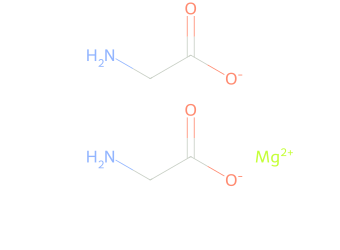
Bisglycinate and L-threonate are the forms most widely sold and are marketed on absorption and tolerability grounds. The insomnia trial used magnesium oxide. No absorption or tolerability comparison between these forms is cited on this record.
The pooled estimate covers oral magnesium salts generally and cannot be attributed to any one form.
A grade describes the intervention that was tested. Where the product on the shelf differs from it, this says so.
The trial that would change this grade.
A positive trial of this shape, supported by further trials, would move this entry to B.
Why the current trials fall short
The pooled sleep trials are small, short and scored by the participants, and pooled certainty is low to very low. A larger trial with objective sleep measures, and with magnesium status recorded so low and normal starting levels can be separated, is what would move the letter.
Why people believe itTwo human sources; two published case reports of benefit; three reports of harm.
The case for magnesium is that many people eat less of it than recommended, that low magnesium is linked in population studies to poor sleep, heart disease and earlier death, and that the body uses it to calm nerve signaling. Small trials found modest sleep improvements in older adults and in poor sleepers. It is cheap, widely sold and usually well tolerated at ordinary doses.
What supporters point to, and what each source actually shows. None of it is enough to move this letter higher; the trial described above under Evidence wanted is what would.
- Population study, not a trialAmong 7,216 Spanish adults at high heart risk, those eating the most magnesium had about a third lower risk of death over about 5 years than those eating the least. Magnesium from food, measured by questionnaire, in a population study. PMID 24259558
- Human trial, a different useIn 155 healthy adults reporting poor sleep, 250 mg a day of magnesium bisglycinate lowered insomnia scores slightly more than placebo over 4 weeks. The effect was small and self-reported, in a different group from the older adults with insomnia behind the grade. PMID 40918053
A case report describes what happened to one or a few patients. It cannot show the treatment caused the change, and reports of success are published more often than reports of failure.
- The author describes patients who recovered from major depression within a week of taking magnesium glycinate and taurinate with meals. Case histories in a journal that publishes hypotheses, with no comparison. PMID 16542786
- A report of a man with high blood pressure whose pressure fell markedly while taking oral magnesium. No abstract is indexed; the title reports the fall. PMID 3216147
- A 75-year-old woman died of magnesium poisoning after drinking milk with magnesium chloride added as a folk remedy; no other cause was found at autopsy. PMID 24020515
- A patient with extensive past bowel surgery developed magnesium toxicity after a single dose of magnesium citrate, despite normal kidney function. PMID 35724347
- A Danish report of a severe interaction between amiloride, a blood pressure drug, and over-the-counter products containing magnesium. No abstract is indexed; the title reports the interaction. PMID 3810978
Searched PubMed, October 2026: 16 case report record(s) returned. Three describe harm, one of them a death, and are listed. Two describe improvement after oral magnesium, in depression and in high blood pressure, and are listed. Ten concern magnesium given to correct losses from inherited disorders, kidney or bowel disease, dialysis or poisoning, or given by vein. One is a randomized trial indexed as a case report.
How this letter has changed · latest: October 2026 · Corrected
The description said magnesium improved insulin resistance in humans on the strength of Morais et al. (Nutrition, 2017; PMID 28526383), a narrative review of 12 trials of other salts whose own conclusion limits benefit to magnesium-deficient, insulin-resistant people. Added: Amiri et al. (BMC Nutr, 2026; PMID 42426860), 15 trials in diabetes and prediabetes, no significant change in insulin or HOMA-IR; Simental-Mendia et al. (Pharmacol Res, 2016; PMID 27329332) and Mohammadi et al. (Nutrients, 2026; PMID 42588058), modest HOMA-IR reductions. The glycinate form remains untested on this endpoint, so D Route 1 stands; the reading now says the class evidence would be C, not B. Applied the written grade definition under the editor's standing instruction of October 2026 (Arnold Sandlow, D.C.).PMID 27329332 PMID 28526383 PMID 42426860 PMID 42588058
The record claimed multiple randomized trials improved sleep onset while citing one pooled analysis of three small trials of other salts (Mah et al., 2021; PMID 33865376), asserted a GABA and melatonin mechanism as settled, and carried a not-replicated flag beside pooled evidence. The one randomized trial of the glycinate form (Schuster et al., Nat Sci Sleep, 2025; PMID 40918053; 155 adults, 250 mg elemental, borderline positive on insomnia severity) is now the basis, with its glycine co-dose stated; the null citrate trial (Nielsen et al., 2010; PMID 21199787), the positive older-adult trial (Abbasi et al., 2012; PMID 23853635) and the 2026 systematic review A review that searches for every study on a question using a method set in advance, then assesses them together. concluding the evidence does not support magnesium for insomnia (Lopresti et al., 2026; PMID 42661485) are added. The written letter attaches to the dose and form studied, so the name moves from 300 to 400 mg to the 250 mg that was tested. C unchanged. Applied the written grade definition under the editor's standing instruction of October 2026 (Arnold Sandlow, D.C.).PMID 21199787 PMID 23853635 PMID 33865376 PMID 40918053 PMID 42661485
The description presented about 2 mmHg as a general effect and carried two uncited claims (deficiency is common; red-cell magnesium is the more sensitive measure). Argeros et al. (Hypertension, 2025; PMID 41000008), 38 trials, is added: no significant effect in people with normal blood pressure, falls of 7.7 and 6.0 mmHg in treated hypertensives and people with low magnesium, no dose-response. The glycinate form remains untested on blood pressure, so D Route 1 stands; the reading says the class evidence would be B in hypertensive or magnesium-depleted adults and not in normotensive ones. Applied the written grade definition under the editor's standing instruction of October 2026 (Arnold Sandlow, D.C.).PMID 41000008
The magnesium glycinate 300 to 400 mg protocol held a B on a review of trials that used other magnesium salts (Morais et al., Nutrition 2017; PMID 28526383). EBL grades magnesium by the salt on the label. No randomized trial of magnesium glycinate alone has measured insulin resistance, and a 2024 clamp trial of oral magnesium was null (Drenthen et al., Diabetologia 2024; PMID 37922013). Untested for this salt: D on Route 1. This is not a finding that magnesium does not work. Editor adjudication, October 2026.PMID 28526383 PMID 37922013
The magnesium glycinate elemental protocol held a B on a meta-analysis of oral magnesium salts generally (Zhang et al., Hypertension 2016; PMID 27402922), which the record itself said did not test glycinate. EBL grades magnesium by the salt on the label. The only glycinate trial with a blood pressure outcome gave it with vitamin D (Cheung et al., Nutrition 2022; PMID 35576873). Untested for this salt: D on Route 1. This is not a finding that magnesium does not work. Editor adjudication, October 2026.PMID 27402922 PMID 35576873
This use carried Grade C on observational evidence. PREDIMED (Guasch-Ferre et al., Journal of Nutrition, 2014; PMID 24259558) reports an association between the highest tertile of dietary magnesium intake and lower all-cause mortality, and Qu et al. (PLoS One, 2013; PMID 23520480) is a meta-analysis of prospective cohort studies An observational study that follows a group of people over time and compares what happens to them.. Nobody in either was randomized to magnesium, and both measure dietary intake rather than supplementation. EBL excludes observational data from grades under the same rule applied to the Finnish sauna cohorts and to the resistance-training mortality association, so this use is corrected to Grade D Route 1, no qualifying trial. The headline grade for magnesium is unchanged at C, which rests on the sleep use.PMID 24259558 PMID 23520480
Every change to a letter on this site is dated and published. The full evidence log →
Commercial disclosure
EBL earns no commission on any supplement it grades. A purchase made through the dispensary link below pays EBL nothing, the practitioner discount goes to you in full. The dispensary is Fullscript, a practitioner dispensary, and many of the professional-grade brands in it are sold mainly through practitioners rather than in health food stores. Grades are assigned by published rubric before any commercial relationship exists and are never influenced by one. Full disclosure.
200 to 400 mg elemental/day. FORM CAUTION: the cited insomnia trial (Abbasi, PMID 23853635) used magnesium OXIDE, and the meta-analysis (Mah, PMID 33865376) pooled oral magnesium salts generally. No cited trial tested bisglycinate. Bisglycinate is commonly chosen for absorption and GI tolerance, which is a practical consideration and not a trial result. L-Threonate 2,000 mg (144 mg elemental) is marketed for cognitive use and carries no cited trial here either.
Bisglycinate, L-threonate and oxide are the commonly sold forms. The cited insomnia trial (PMID 23853635) used magnesium OXIDE and the meta-analysis (PMID 33865376) pooled oral magnesium salts generally. No absorption or tolerability comparison between these forms is cited on this record.
In the insomnia trial, magnesium oxide was given as one tablet twice a day (PMID 23853635). The report does not say at what time of day. The insomnia meta-analysis describes doses taken two to three times a day (PMID 33865376).
Checked against the full published reports. What the cited trials did, not a schedule. Every supplement, by trial timing →
How to buy this: quality criteria, not a brand
Bisglycinate 200–400mg elemental/day. The trial level is elemental magnesium, not the larger compound weight on many labels.
Bisglycinate (glycinate) for sleep/general use; L-threonate for cognitive. Magnesium oxide is poorly absorbed. Poorly absorbed.
USP Verified or NSF Certified. An independent lab seal you can confirm yourself, not a marketing word.
Oxide-only; “proprietary blends” that hide the dose; elemental dose below trial levels; no third-party testing.
The grade and these criteria are set only from human trials. Any purchase link is convenience and does not affect the grade.
Severe kidney disease. The kidney regulates magnesium excretion, so magnesium toxicity is a real hazard in renal failure rather than a theoretical one. Myasthenia gravis, where magnesium can worsen weakness.
Absorption interference is the main class and it is a timing problem rather than a prohibition: bisphosphonates, fluoroquinolone and tetracycline antibiotics, and levothyroxine all bind magnesium in the gut, and the absorption literature commonly separates them by two hours or more. Diuretics deplete magnesium, and proton pump inhibitors do the same over long use. Magnesium can add to the effect of neuromuscular blocking agents, which is an anesthetic consideration.
Polyvalent cations reduce the absorption of some oral drugs taken at the same time. Magnesium is a polyvalent cation. Taken together with an oral drug it can bind that drug in the gut and reduce how much of it is absorbed, which is why the labels for tetracycline and fluoroquinolone antibiotics, bisphosphonates and levothyroxine specify a separation in time rather than avoidance. The interaction is one of timing and it is established from absorption pharmacokinetics and product labeling rather than from a single outcome trial. Ogawa and Echizen (Drugs, 2011;71(14):1839-64; PMID 21942976): review of clinically significant drug interactions with antacids, describing how polyvalent cations alter the rate and extent of absorption of drugs given at the same time.
Thiazide diuretics and long-term proton pump inhibitors are associated with low magnesium. The depletion A fall in a nutrient's level caused by a medication, for example through reduced absorption or increased loss. direction of the magnesium conflict text rests on two observational human datasets, not on a trial. Both are associations measured in people rather than demonstrations that supplementation corrects the outcome, and the thiazide finding did not extend to loop diuretics. Kieboom et al. (Pharmacoepidemiology and Drug Safety, 2018;27(11):1166-1173; PMID 30095199): cross-sectional analysis of 9,820 Rotterdam Study participants, thiazide but not loop diuretic use associated with hypomagnesemia. Vermeulen Windsant-van den Tweel et al. (The Senior Care Pharmacist, 2022;37(12):623-630; PMID 36461136): retrospective observational cohort of geriatric inpatients aged 65 and over, proton pump inhibitor use and hypomagnesemia.
Magnesium potentiates neuromuscular blocking agents, an anesthetic consideration. This one has randomized human evidence, and the form it was studied in matters. The trials gave intravenous magnesium sulphate during anesthesia, not an oral magnesium supplement, so the finding belongs to the operating theatre rather than to daily supplementation. It is recorded here because the conflict text raises it. Fuchs-Buder et al. (British Journal of Anesthesia, 1995;74(4):405-9; PMID 7734259): randomized trial, magnesium sulphate 40 mg/kg i.v. lowered the ED50 and ED90 of vecuronium by about 25 percent. Sun et al. (Journal of International Medical Research, 2021;49(7); PMID 34311594): meta-analysis of 11 randomized trials, magnesium sulphate shortened onset and prolonged the clinical duration of rocuronium blockade.
RBC magnesium (serum is unreliable for tissue stores), sleep quality, muscle cramps, blood pressure
Primary evidenceThree papers, each linked to its PubMed record.
Mah et al. (BMC Complement Med Ther, 2021; PMID 33865376): systematic review/meta-analysis of oral magnesium for insomnia in older adults: low-quality evidence, sleep-onset benefit only. Abbasi et al. (2012; PMID 23853635): component RCT in elderly primary insomnia. Guasch-Ferré et al. (2014; PMID 24259558): dietary magnesium inversely associated with mortality (observational). Regraded to C: no single use reaches B on current human evidence.
Educational use only · Not medical advice · Starting, stopping or changing any supplement or medication is a decision for your physician
These statements have not been evaluated by the Food and Drug Administration. This product is not intended to diagnose, treat, cure, or prevent any disease. The grade on this page describes the strength of published human trial evidence in the populations studied. It is not a recommendation for any individual and is not medical advice. Starting, stopping or changing any supplement or medication is a decision for your physician.
This page carries a letter. EBL takes no commission, referral fee or payment of any kind on anything it grades. No letter has been bought and none is for sale.
How this is enforced
That is not a promise, it is a build condition. Two checks run on every deploy: one refuses to publish if a commission is claimed on anything graded, the other refuses if a page names a commercial relationship that is not declared in the register. If either fails, this page does not go live. You can read how the checks work, and what they do not cover, on the evidence integrity page.
Grades move when new trials publish. A free monthly email lists every grade EBL moved, with the reason and the trial behind it: the sign-up is on the Evidence Log →