Supplement
Trehalose
Proposed autophagy The process cells use to break down and recycle their own worn-out parts. inducer, untested for that claim in people.
Grade D, tested: a human randomized trial looked for a benefit on the endpoint The outcome a trial measures to decide whether the treatment worked, such as heart attacks, blood pressure or a symptom score. graded and did not find one. How to read a grade →
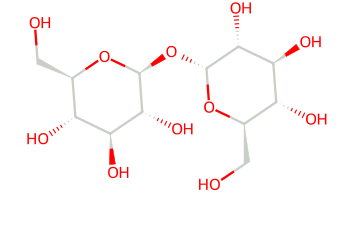
Trehalose is a natural sugar. It is sold to help cells clean out damaged parts, a process linked to aging. That idea has not been tested in people. In the one study of healthy adults aged 50 to 77, people took 100 grams a day for 12 weeks. Their blood vessel function did not improve compared with people taking another sugar.
A letter describes the human evidence, not the product, the manufacturer, or the ingredient's worth.
See the full evidence record →This was not skipped. A human randomized trial has tested it and did not find a benefit on the endpoint below. That is a different statement from an untested intervention, which may still turn out to work. A Route 1 No human randomized trial has been run, so the record rests on animal or mechanistic evidence only. One of the two routes to the lowest letter on EBL's scale. Grade D means nobody has looked. A Route 2 Grade D means somebody looked and the answer was no.
Population 32 healthy adults aged 50 to 77, 100 g/day oral trehalose against maltose for 12 weeks
Certainty Low. One small trial; the full-sample analysis was not significant and the positive result is confined to a post hoc weight-stable subgroup.
PMID 27208415 →
Population 15 patients with prior myocardial infarction and systemic inflammation, 15 g intravenous trehalose weekly for 12 weeks
Certainty Low. Very small trial of an intravenous form; supporting context, not the basis.
PMID 35045351 →
Tested and no benefit shown: the oral trial in healthy older adults was null on its main vascular analysis; autophagy is untested in people.
Why this gradeGrade D, tested, no benefit. The reasoning, and what the grade does not cover.
Grade D on Route 2: tested, no benefit demonstrated. The trial that tests the form people buy, in the population that buys it, is Kaplon et al. (2016; PMID PubMed ID: the permanent number the US National Library of Medicine gives a published paper. Each one links to that paper's record on PubMed. 27208415): 32 healthy adults aged 50 to 77 took 100 g/day of oral trehalose or maltose for 12 weeks. In the full sample, resistance artery endothelial function did not change significantly, and conduit artery function, arterial stiffness, oxidative stress and inflammation did not change; a benefit appeared only in the subgroup whose body weight stayed stable, which is post hoc and unreplicated. Jamialahmadi et al. (2022; PMID 35045351) is supporting context, a different form and population: 15 heart attack survivors with systemic inflammation given 15 g intravenously once a week, with no change in arterial wall inflammation or carotid intima-media thickness.
WHAT THIS GRADE DOES NOT COVERtrehalose is sold as an autophagy inducer, and no randomized human trial has tested autophagy induction, healthspan or any aging endpoint in people; the mechanistic work is animal data and does not enter a grade. Trials in other diseases are not the basis for this letter: intravenous trehalose in ALS (HEALEY platform, PMID 40409314) showed no benefit, with serious adverse events in 16 percent against 7 percent on its regimen placebo An inactive substitute made to look like the real treatment, so participants cannot tell which one they received. and discontinuations in 12 against 2 percent, no death judged drug-related; oral trehalose in spinocerebellar ataxia type 3 (Yap et al., 2024; PMID 38843619) did not change ataxia at an interim analysis and the trial was stopped.
A grade describes the human evidence for a named use. It is not advice, and it is not a judgment on any individual prescription. How the letters are decided →
Trials report an average. This box says whether any trial on this record looked at who the result applies to, and what it found.
For this record's Grade D · Subgroup tested, effect differedKaplon et al. (2016; PMID 27208415) found no significant change in the full sample; a benefit appeared only in the subgroup whose body weight stayed stable. A subgroup result shows who the effect appeared in within these trials. It does not change the letter. This subgroup was identified after the results were in and has not been confirmed in a trial designed to test it.
The trial that would change this grade.
A positive trial of this shape would move this entry to C.
Why the current trials fall short
The oral trial in healthy older adults (PMID 27208415) was null in its full sample; a benefit appeared only in participants whose weight stayed stable, a subgroup identified after the results were in. A trial that names that group in advance would test whether the signal is real. No human trial has measured autophagy or any aging outcome.
Why people believe itTwo human sources; no published case reports of benefit; no reports of harm.
The case for trehalose, a sugar found in mushrooms and used in foods, is that it switches on autophagy, the cleanup process cells use to clear damaged parts. In mice it reversed signs of arterial aging and fatty liver. In people, the 12-week trial in healthy older adults found no change in its main measure across the whole group.
What supporters point to, and what each source actually shows. None of it is enough to move this letter higher; the trial described above under Evidence wanted is what would.
- Human trial, blood or body markerAmong the adults whose weight stayed stable, 100 g a day for 12 weeks improved blood vessel function by about 30 percent. That group was chosen after the results were in, and the full sample showed no change. PMID 27208415
- Human trial, blood or body markerIn 50 healthy adults, 3.3 g a day for 12 weeks did not change body composition or blood tests; in those with higher blood sugar after meals, blood sugar 2 hours after a glucose drink was lower than with table sugar. A subgroup and a marker. PMID 32646428
A case report describes what happened to one or a few patients. It cannot show the treatment caused the change, and reports of success are published more often than reports of failure.
A PubMed search in October 2026 found no published case report of benefit for this use.
Searched PubMed, October 2026: 22 case report record(s) returned. None describes a person taking trehalose by mouth. The records concern bacteria and fungi, an eye drop, organ preservation fluids and laboratory work, where trehalose is named as an ingredient or a laboratory marker.
Animal and laboratory workOne study in animals or cells. Not counted toward the letter.
None of this is human evidence and none of it counts toward the letter. It is listed so the reader can see what the idea rests on. Most findings in animals do not hold up when tested in people.
- MouseTrehalose blocked glucose transporters, switching on autophagy through AMPK, and reversed fatty liver in mice; in mouse liver cells in culture it reduced lipid droplets. PMID 26905426
How this letter has changed · latest: October 2026 · Corrected
Route 2 rested on Jamialahmadi et al. (Biomed Pharmacother, 2022; PMID 35045351), 15 heart attack survivors given intravenous trehalose, and grade_basis never discussed Kaplon et al. (Aging, 2016; PMID 27208415), the only oral trial in healthy middle-aged and older adults, whose full-sample primary analysis was not significant. Kaplon is now the basis and Jamialahmadi supporting context, with its population corrected. The dose field's 2 g figure matched no trial and is replaced by the doses studied. The ALS platform trial (HEALEY, Lancet Neurol, 2025; PMID 40409314) now records serious adverse events in 16 against 7 percent. Added: Yap et al. (Parkinsonism Relat Disord, 2024; PMID 38843619), oral trehalose in spinocerebellar ataxia, null at interim; Yoshizane et al. (Nutr J, 2020; PMID 32646428), run by a trehalose manufacturer. endpoint_type corrected from hard to surrogate. D Route 2 unchanged. Applied the written grade definition under the editor's standing instruction of October 2026 (Arnold Sandlow, D.C.).PMID 27208415 PMID 32646428 PMID 35045351 PMID 38843619 PMID 40409314
Every change to a letter on this site is dated and published. The full evidence log →
Commercial disclosure
EBL earns no commission on any supplement it grades. Grades are assigned by published rubric before any commercial relationship exists and are never influenced by one. Full disclosure.
No dose has shown a benefit. As studied: 100 g/day by mouth for 12 weeks (healthy adults aged 50 to 77); 100 g/day by mouth in spinocerebellar ataxia type 3; 3.3 to 10 g/day by mouth in glucose-tolerance studies run by a trehalose maker; 15 g intravenously once a week (heart attack survivors) and 0.75 g/kg intravenously once a week (ALS).
Trehalose is a food-grade disaccharide, but ordinary oral trehalose should not be described as a validated autophagy-inducing longevity intervention. Human oral trials have been disease-specific and have not established a clinically useful autophagy dose or biomarker A measurable sign in the body, such as a blood test value, used to track a condition or the effect of a treatment..
The oral trial in healthy adults gave 100 g/day, and its report does not state a time of day or whether it was taken with food (PMID 27208415). Two other cited trials gave trehalose intravenously once a week (PMID 35045351, PMID 40409314).
Checked against the full report for 1 of the 3 cited studies, and the published summary for the rest. What the cited trials did, not a schedule. Every supplement, by trial timing →
How to buy this: quality criteria, not a brand
No established human longevity dose (proof-of-concept used 2g). The autophagy effect is not confirmed in humans.
A food-grade disaccharide (GRAS sweetener); the proposed autophagy dose differs from dietary use.
Food-grade purity.
Autophagy/longevity claims (unconfirmed in humans): the D grade reflects that gap.
The grade and these criteria are set only from human trials. Any purchase link is convenience and does not affect the grade.
Trehalase deficiency, an inherited enzyme deficiency that causes diarrhea and cramping on trehalose. Diabetes: trehalose is a disaccharide of glucose and raises blood glucose accordingly.
No drug interaction has been identified. The concern worth naming is microbiological rather than pharmacological: dietary trehalose has been shown to enhance the virulence of epidemic ribotypes of Clostridioides difficile, and whether that translates into human infection risk is contested. It matters most alongside recent antibiotic exposure, which is when C. difficile gets its opening.
Dietary trehalose and epidemic Clostridioides difficile. Dietary trehalose enhances the virulence of epidemic ribotypes of Clostridioides difficile, which acquired the ability to metabolize it at low concentrations. Whether this translates into human infection risk remains contested. Collins et al. (Nature, 2018; PMID 29310122): dietary trehalose enhances virulence of epidemic Clostridium difficile. Buckley et al. (Current Opinion in Gastroenterology, 2021; PMID 33105252): review asking whether there is a causal relationship between trehalose consumption and Clostridioides difficile infection.
There is no validated clinical autophagy biomarker for oral trehalose supplementation. If trehalose is used in a disease-specific research context, track the clinical endpoint used in that trial rather than claiming an autophagy readout.
Primary evidenceSix papers, each linked to its PubMed record.
DeBosch et al. (Science Signaling, 2016; PMID 26905426): trehalose autophagy mechanism in ANIMALS. Kaplon et al. (Aging, 2016; PMID 27208415): randomized double-blind trial, 32 healthy adults aged 50 to 77, 100 g/day oral trehalose against isocaloric maltose for 12 weeks; resistance artery endothelial function did not change significantly in the full sample, with a rise only in participants whose weight changed by less than 2.3 kg; no effect on conduit artery function, arterial stiffness, oxidative stress or inflammation; NIH-funded. Jamialahmadi et al. (Biomed Pharmacother, 2022; PMID 35045351): 15 patients with a history of myocardial infarction and C-reactive protein above 2 mg/L, 15 g intravenous trehalose once weekly or placebo for 12 weeks; no change in arterial wall inflammation on PET or carotid intima-media thickness. HEALEY ALS Platform Trial, group-authored (Lancet Neurology, 2025; PMID 40409314): intravenous trehalose 0.75 g/kg weekly in ALS, no difference in disease progression; serious adverse events 16 against 7 percent and discontinuations 12 against 2 percent versus the regimen placebo. Yap et al. (Parkinsonism Relat Disord, 2024; PMID 38843619): 100 g/day oral trehalose in spinocerebellar ataxia type 3, no effect on ataxia at an unplanned interim analysis, trial stopped for slow recruitment. Yoshizane et al. (Nutr J, 2020; PMID 32646428): 3.3 g/day for 12 weeks in 50 healthy Japanese adults, no between-group difference in body composition or blood chemistry; all authors employed by the trehalose manufacturer that sponsored it. D Route 2: the basis is Kaplon 2016, the oral trial in healthy older adults, null on its full-sample analysis.
Educational use only · Not medical advice · Starting, stopping or changing any supplement or medication is a decision for your physician
These statements have not been evaluated by the Food and Drug Administration. This product is not intended to diagnose, treat, cure, or prevent any disease. The grade on this page describes the strength of published human trial evidence in the populations studied. It is not a recommendation for any individual and is not medical advice. Starting, stopping or changing any supplement or medication is a decision for your physician.
This page carries a letter. EBL takes no commission, referral fee or payment of any kind on anything it grades. No letter has been bought and none is for sale.
How this is enforced
That is not a promise, it is a build condition. Two checks run on every deploy: one refuses to publish if a commission is claimed on anything graded, the other refuses if a page names a commercial relationship that is not declared in the register. If either fails, this page does not go live. You can read how the checks work, and what they do not cover, on the evidence integrity page.
How EBL searched for the trials (1 search)
The search that was run, what it returned, and what was left out and why, so the absence of evidence can be checked as well as its presence.
trehalose[tiab] AND randomized controlled trial[pt] AND humans[mesh]Grades move when new trials publish. A free monthly email lists every grade EBL moved, with the reason and the trial behind it: the sign-up is on the Evidence Log →