Supplement
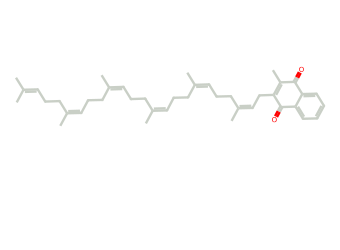
Vitamin K2 (MK-7 / Menaquinone-7)
Carboxylates matrix Gla protein (MGP), a protein involved in inhibiting vascular and soft-tissue calcification; supports bone density through osteocalcin carboxylation.
Grade C: human trials exist, but they are small, mixed or not yet repeated. This is not a finding that it does not work. How to read a grade →
Vitamin K2 helps the body put calcium in bones instead of arteries. Some studies found that it slowed the stiffening of arteries or the buildup of calcium in heart arteries. Other studies found no change. These are scans and measurements, not heart attacks or strokes. No study has shown that vitamin K2 prevents heart attacks.
A letter describes the human evidence, not the product, the manufacturer, or the ingredient's worth.
See the full evidence record →Arterial stiffness and coronary artery calcification, surrogate measures. Cardiovascular event prevention has not been established.
Why this gradeGrade C, small or unreplicated trials. The reasoning, and what the grade does not cover.
Grade C. Some randomized trials of MK-7 slowed arterial stiffening or coronary calcification (Knapen et al., Thromb Haemost, 2015; PMID PubMed ID: the permanent number the US National Library of Medicine gives a published paper. Each one links to that paper's record on PubMed. 25694037; Vossen et al., JAMA Cardiol, 2026; PMID 42268593), and others found no effect on stiffness or calcification (Witham et al., J Am Soc Nephrol, 2020; PMID 32817311; Fulton et al., J Nutr Health Aging, 2016; PMID 26892582; Bartstra et al., Eur J Nutr, 2021; PMID 33068157). Arterial stiffness and coronary calcium are not established stand-ins for a clinical outcome under the B definition, and the trials are mixed: C.
WHAT THIS GRADE DOES NOT COVERheart attack, stroke or death, which no trial of vitamin K2 has measured; and bone outcomes.
A grade describes the human evidence for a named use. It is not advice, and it is not a judgment on any individual prescription. How the letters are decided →
Who responds: this record's trial reading reports no subgroup that identifies who responds.
How this letter has changed · latest: October 2026 · Downgraded
Positive trials (Knapen et al., Thromb Haemost, 2015; PMID 25694037; Vossen et al., JAMA Cardiol, 2026; PMID 42268593) stand beside null ones (Witham et al., J Am Soc Nephrol, 2020; PMID 32817311; Fulton et al., J Nutr Health Aging, 2016; PMID 26892582; Bartstra et al., 2021; PMID 33068157), and arterial stiffness and coronary calcium are not established stand-ins for a clinical outcome. Applied the written grade definition: the B definition admits a biomarker A measurable sign in the body, such as a blood test value, used to track a condition or the effect of a treatment. only when it is an established stand-in for a clinical outcome, such as HbA1c A blood test that reflects average blood sugar over the previous two to three months., LDL Low-density lipoprotein cholesterol, the cholesterol fraction most closely tied to plaque in the arteries., blood pressure or bone density, the strict reading the editor confirmed in October 2026.PMID 25694037 PMID 26892582 PMID 32817311 PMID 33068157 PMID 42268593
Every change to a letter on this site is dated and published. The full evidence log →
Commercial disclosure
EBL earns no commission on any supplement it grades. A purchase made through the dispensary link below pays EBL nothing, the practitioner discount goes to you in full. The dispensary is Fullscript, a practitioner dispensary, and many of the professional-grade brands in it are sold mainly through practitioners rather than in health food stores. Grades are assigned by published rubric before any commercial relationship exists and are never influenced by one. Full disclosure.
100-360 mcg/day MK-7. MK-7 has a long half-life (about 72 hours, against 1 to 4 hours for MK-4). Many products combine K2 with D3.
MK-7 and MK-4 are distinct vitamin K2 forms with different pharmacokinetics and study doses. For MK-7 evidence, match the dose and preparation used in the relevant trial.
The two MK-7 trials gave 180 µg a day (PMID 25694037) and 360 µg a day (PMID 42268593). Neither summary states a time of day or whether it was taken with food.
Checked against the published summaries; the full papers could not be read. What the cited trials did, not a schedule. Every supplement, by trial timing →
How to buy this: quality criteria, not a brand
100–360mcg/day MK-7, once daily (long half-life).
MK-7 (trans form) for once-daily dosing. MK-4 has been studied at very different doses depending on indication, from about 1.5 mg/day to pharmacological doses, and has different pharmacokinetics from MK-7. The two are not interchangeable.
“MK-7 trans” stated on the label.
Low-dose MK-4 sold as equal; cis-MK-7; “K2” with no form specified.
The grade and these criteria are set only from human trials. Any purchase link is convenience and does not affect the grade.
Warfarin and other vitamin K antagonists, unless the prescriber is managing it. This is more nuanced than the usual blanket prohibition: what destabilizes anticoagulation is a CHANGE in vitamin K intake, not vitamin K itself, and randomized and pooled evidence shows low-dose vitamin K supplementation can improve INR stability in patients whose control is erratic. Consistency is the rule. Starting or stopping without telling the prescriber is the hazard.
Warfarin, acenocoumarol and phenprocoumon: direct pharmacological antagonism, and the interaction that matters most on this entry. Direct oral anticoagulants such as apixaban and rivaroxaban do not work through vitamin K and are not affected the same way. Bile acid sequestrants and orlistat reduce absorption of fat-soluble vitamins including K2.
Vitamin K and warfarin: consistency, not abstinence. Low-dose vitamin K supplementation improved INR stability in patients with unstable anticoagulation control in randomized and pooled evidence, so the destabilising factor is variation in intake rather than vitamin K itself. Boonyawat et al. (Thrombosis and Haemostasis, 2016; PMID 27346552): randomized trial of low-dose oral vitamin K supplementation on INR stability in patients receiving warfarin. Mahtani et al. (Cochrane Database of Systematic Reviews A review that searches for every study on a question using a method set in advance, then assesses them together., 2014; PMID 24832594): vitamin K for improved anticoagulation control in patients receiving warfarin.
For MK-7, dp-ucMGP is a pharmacodynamic marker of vitamin K status/carboxylation and arterial stiffness can be followed when that is the indication. DEXA is appropriate for long-term bone outcomes. Do not treat dp-ucMGP or undercarboxylated osteocalcin as proven surrogates for fracture or cardiovascular-event reduction.
Primary evidenceSix papers, each linked to its PubMed record.
Knapen et al. (Thrombosis and Haemostasis, 2015; PMID 25694037): 3-year RCT showing MK-7 180 mcg/day reduced arterial stiffness and improved arterial flexibility. Rotterdam Study (Geleijnse et al.): observational Research that watches what people already do rather than assigning a treatment. It can show that two things travel together, not that one causes the other.: higher dietary K2 associated with lower cardiovascular mortality. Geleijnse et al. (J Nutr, 2004; PMID 15514282) is the Rotterdam dietary-menaquinone cohort, observational and not grade-bearing. Vossen et al., VitaK-CAC (JAMA Cardiology, 2026; PMID 42268593): 2-year randomized placebo-controlled trial of MK-7 360 mcg/day in 180 patients with symptomatic coronary artery disease and a baseline CAC score of 50 to 400 Agatston units. Plasma MK-7 rose in the treated arm and the authors report slowed calcification in noncalcified plaque, stating that the clinical significance in terms of plaque stability remains to be determined. Coronary artery calcification is a surrogate, not a cardiovascular event. Other randomized trials of vitamin K2 on arterial stiffness or calcification were null (Witham et al., J Am Soc Nephrol, 2020; PMID 32817311; Fulton et al., J Nutr Health Aging, 2016; PMID 26892582; Bartstra et al., Eur J Nutr, 2021; PMID 33068157). Grade C: mixed trials on markers that are not established stand-ins.
Educational use only · Not medical advice · Starting, stopping or changing any supplement or medication is a decision for your physician
These statements have not been evaluated by the Food and Drug Administration. This product is not intended to diagnose, treat, cure, or prevent any disease. The grade on this page describes the strength of published human trial evidence in the populations studied. It is not a recommendation for any individual and is not medical advice. Starting, stopping or changing any supplement or medication is a decision for your physician.
This page carries a letter. EBL takes no commission, referral fee or payment of any kind on anything it grades. No letter has been bought and none is for sale.
How this is enforced
That is not a promise, it is a build condition. Two checks run on every deploy: one refuses to publish if a commission is claimed on anything graded, the other refuses if a page names a commercial relationship that is not declared in the register. If either fails, this page does not go live. You can read how the checks work, and what they do not cover, on the evidence integrity page.
How EBL searched for the trials (1 search)
The search that was run, what it returned, and what was left out and why, so the absence of evidence can be checked as well as its presence.
(menaquinone[tiab] OR "vitamin K2"[tiab] OR MK-7[tiab]) AND (arterial stiffness[tiab] OR "pulse wave velocity"[tiab] OR calcification[tiab]) AND randomized controlled trial[pt]Grades move when new trials publish. A free monthly email lists every grade EBL moved, with the reason and the trial behind it: the sign-up is on the Evidence Log →