Supplement
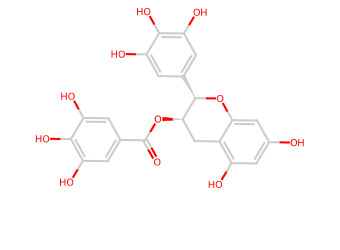
EGCG (Green Tea Extract)
LDL Low-density lipoprotein cholesterol, the cholesterol fraction most closely tied to plaque in the arteries. cholesterol, replicated The same finding reproduced by a separate research group. A result seen once can be chance or bias; a replicated one is harder to explain away. across meta-analyses A study that pools the numbers from several trials into one combined estimate. of randomized trials and one 12-month trial at the record's dose; blood pressure, a small pooled effect seen only in low-dose subgroups; fasting glucose, a 1.5 mg/dL pooled drop with no change in HbA1c A blood test that reflects average blood sugar over the previous two to three months. or insulin.
EGCG is the main compound in green tea extract. Several pooled reviews and a one-year study found that it lowered LDL cholesterol by a small amount. No study has looked at heart attacks or strokes. Effects on blood pressure and blood sugar were tiny, and no study measured inflammation. In the one-year study, at a high dose, liver test numbers rose in about 7 in 100 people, against fewer than 1 in 100 on a dummy pill.
A letter describes the human evidence, not the product, the manufacturer, or the ingredient's worth.
See the full evidence record →LDL cholesterol, replicated across meta-analyses of randomized trials; blood pressure and fasting glucose effects are small.
Why this gradeThe reasoning, and what the grade does not cover.
Grade B on LDL cholesterol, a validated surrogate. Four meta-analyses by different groups and a 12-month NIH-funded trial at 843 mg/day agree on a small LDL reduction of roughly 2 to 9 mg/dL; one meta-analysis of short tea trials is null and sits beside them. Not A because no trial of green tea or its extract has reported a cardiovascular event, as the Cochrane review states.
WHAT THIS GRADE DOES NOT COVERblood pressure, where the pooled effect is about 2 mmHg and appears only in low-dose subgroups; fasting glucose, a 1.5 mg/dL pooled change with no HbA1c effect; any anti-inflammatory or antioxidant claim, which no cited trial measured as an outcome; and body fat, where the one trial was run by the beverage's maker and did not test an extract.
A grade describes the human evidence for a named use. It is not advice, and it is not a judgment on any individual prescription. How the letters are decided →
A grade describes the intervention that was tested. Where the product on the shelf differs from it, this says so.
How this letter has changed · latest: October 2026 · Corrected
The best-use line claimed anti-inflammatory and antioxidant benefit and fasting glucose with no cited outcome; the first two are removed and glucose now rests on Zheng 2013 (PMID 23426037), a 1.48 mg/dL pooled drop with no HbA1c change. Nagao 2005 (PMID 15640470) was run by researchers at the company that makes the catechin beverage it tested, measured body fat in 35 men and did not measure LDL cholesterol or test an extract; relabeled as context. Hartley 2013 (PMID 23780706) now says what it found: no trial reported cardiovascular events and the green tea results were unstable on sensitivity analysis. Xu 2020 (PMID 32434539), already cited, is now described. Peng 2014 (PMID 25176280) is now stated to show its blood pressure effect only in low-dose subgroups. Added: Samavat 2016 (PMID 27806972), the largest extract trial at the record's dose, LDL down about 4 percent and triglycerides up; Dostal 2015 (PMID 26051348), its safety report with ALT elevations in 6.7 percent against 0.7 percent, now in the avoid field; Kim 2011 (PMID 22027055) and Momose 2016 (PMID 27324590) as independent confirmations of the LDL effect; Igho-Osagie 2020 (PMID 33188386), null on lipids and blood pressure in short trials. Letter unchanged.PMID 23426037 PMID 15640470 PMID 23780706 PMID 32434539 PMID 25176280 PMID 27806972 PMID 26051348 PMID 22027055 PMID 27324590 PMID 33188386
Every change to a letter on this site is dated and published. The full evidence log →
Commercial disclosure
EBL earns no commission on any supplement it grades. A purchase made through the dispensary link below pays EBL nothing, the practitioner discount goes to you in full. The dispensary is Fullscript, a practitioner dispensary, and many of the professional-grade brands in it are sold mainly through practitioners rather than in health food stores. Grades are assigned by published rubric before any commercial relationship exists and are never influenced by one. Full disclosure.
400-800 mg EGCG daily from standardized green tea extract (40-50% EGCG). The pooled LDL effect was seen across 107 to 856 mg/day of EGCG; the one 12-month extract trial used 843 mg/day, the dose at which liver-enzyme elevations occurred in 6.7 percent of participants against 0.7 percent on placebo An inactive substitute made to look like the real treatment, so participants cannot tell which one they received.. Standardized green tea extract carries caffeine unless decaffeinated.
Human green-tea extract trials used standardized extracts stating their EGCG content. Concentrated extracts differ from brewed tea in both dose and hepatic risk profile: in the 12-month Minnesota trial of a decaffeinated extract at 843 mg EGCG/day, ALT elevations occurred in 6.7 percent of women against 0.7 percent on placebo, and 1.3 percent had ALT-related serious adverse events (PMID 26051348).
The cited reviews pool tea and catechin trials and do not report when doses were taken (PMID 23780706, PMID 21715508); the 12-month extract trial gave four capsules daily without a stated time (PMID 27806972).
Checked against the published summaries; the full papers could not be read. What the cited trials did, not a schedule. Every supplement, by trial timing →
How to buy this: quality criteria, not a brand
400–800mg EGCG/day from standardized extract (40–50% EGCG).
Standardized green-tea extract, decaffeinated preferred. High doses on an empty stomach are the pattern linked to liver risk.
EGCG % stated; third-party tested.
High-dose on an empty stomach (liver risk); no EGCG standardization; caffeine not accounted for.
The grade and these criteria are set only from human trials. Any purchase link is convenience and does not affect the grade.
Liver disease. Green tea extract is one of the more frequently identified botanical causes of drug-induced liver injury, concentrated in high-dose extract products rather than in brewed tea, and the risk is higher when taken fasted. The commonly cited ceiling for isolated EGCG is 800 mg per day. In the largest extract trial, 843 mg EGCG daily for 12 months, 6.7 percent of participants had ALT elevations against 0.7 percent on placebo, 1.3 percent serious (Dostal 2015, PMID 26051348).
Non-heme iron: EGCG binds it and reduces absorption, so separation in time matters. Bortezomib: EGCG has been reported to reduce its activity, which is an oncology consideration rather than a supplement one. Any other hepatotoxic drug, on the liver signal above.
Green tea extract and drug-induced liver injury. Green tea extract is an identified cause of drug-induced liver injury in prospective surveillance, concentrated in high-dose extract products rather than brewed tea. Zheng et al. (Drug Safety, 2016; PMID 27189593): risk of liver injury associated with green tea extract in weight-loss products, from the DILIN prospective study.
The endpoints The outcome a trial measures to decide whether the treatment worked, such as heart attacks, blood pressure or a symptom score. measured in the trials were indication-specific: LDL-C and ApoB Apolipoprotein B, a protein carried once on each cholesterol particle that can enter the artery wall, so it counts those particles directly., blood pressure, or glucose, each read against a consistent baseline and follow-up interval.
Primary evidenceEleven papers, each linked to its PubMed record.
LDL cholesterol: Zheng et al. (Am J Clin Nutr, 2011; PMID 21715508): meta-analysis of 14 randomized controlled trials People are assigned to the treatment or a comparison by chance, so the groups differ only in what they received. It is the design that can show cause and effect., 1,136 subjects: green tea intake lowered LDL cholesterol by 2.19 mg/dL and total cholesterol by 7.20 mg/dL; it did not measure blood pressure. Kim et al. (J Am Diet Assoc, 2011; PMID 22027055): independent meta-analysis of 20 trials, 1,415 participants, catechins at 145 to 3,000 mg/day for 3 to 24 weeks, LDL 5.30 mg/dL lower, no change in HDL or triglycerides. Momose et al. (Int J Food Sci Nutr, 2016; PMID 27324590): systematic review A review that searches for every study on a question using a method set in advance, then assesses them together. of 17 trials restricted to EGCG at 107 to 856 mg/day in healthy adults, LDL 9.29 mg/dL lower. Xu et al. (Nutr J, 2020; PMID 32434539): meta-analysis of 31 trials, 3,321 subjects, LDL 4.55 mg/dL and total cholesterol 4.66 mg/dL lower, no effect on HDL or triglycerides. Samavat et al. (Am J Clin Nutr, 2016; PMID 27806972): the largest extract trial at this record's dose, 936 postmenopausal women completing 12 months of 843 mg EGCG/day, NIH-funded; LDL fell 4.1 percent against a 0.9 percent rise on placebo, total cholesterol fell only in women starting at 200 mg/dL or above, and triglycerides rose 3.6 percent against a 2.5 percent fall on placebo. Against: Igho-Osagie et al. (J Nutr, 2020; PMID 33188386): meta-analysis of 14 short tea trials (4 to 24 weeks, 798 participants), no effect on blood pressure or any lipid, with the evidence rated low to moderate for lack of power. Blood pressure: Peng et al. (Sci Rep, 2014; PMID 25176280): 13 randomized controlled trials, systolic 1.98 mmHg lower and diastolic 1.92 mmHg lower, with the effect present only in low-dose polyphenol subgroups, which does not support the 400 to 800 mg dose framing for this endpoint. Glucose: Zheng et al. (Am J Clin Nutr, 2013; PMID 23426037): meta-analysis of 22 trials, 1,584 subjects, fasting glucose 1.48 mg/dL lower, no change in insulin, HbA1c or HOMA-IR. Hartley et al. (Cochrane Database Syst Rev, 2013; PMID 23780706): Cochrane review of green and black tea for primary prevention of cardiovascular disease, 11 trials, 821 participants; no trial reported cardiovascular events, and the green tea results were not stable to sensitivity analysis. Nagao et al. (Am J Clin Nutr, 2005; PMID 15640470): 35 men, 12 weeks of a tea drink containing 690 mg catechins, run by researchers at the company that makes the beverage; body fat fell and malondialdehyde-modified LDL moved with it; it did not measure LDL cholesterol and did not test an EGCG extract, so it is context, not evidence for this record. Safety: Dostal et al. (Food Chem Toxicol, 2015; PMID 26051348): the Minnesota trial's safety report, 1,075 women, ALT elevations in 6.7 percent on extract against 0.7 percent on placebo. Grade B (surrogate endpoints A lab value or measurement used in place of the outcome that matters, such as LDL cholesterol standing in for heart attacks. Moving a surrogate does not always move the outcome., replicated).
Educational use only · Not medical advice · Starting, stopping or changing any supplement or medication is a decision for your physician
These statements have not been evaluated by the Food and Drug Administration. This product is not intended to diagnose, treat, cure, or prevent any disease. The grade on this page describes the strength of published human trial evidence in the populations studied. It is not a recommendation for any individual and is not medical advice. Starting, stopping or changing any supplement or medication is a decision for your physician.
This page carries a letter. EBL takes no commission, referral fee or payment of any kind on anything it grades. No letter has been bought and none is for sale.
How this is enforced
That is not a promise, it is a build condition. Two checks run on every deploy: one refuses to publish if a commission is claimed on anything graded, the other refuses if a page names a commercial relationship that is not declared in the register. If either fails, this page does not go live. You can read how the checks work, and what they do not cover, on the evidence integrity page.
How EBL searched for the trials (1 search)
The search that was run, what it returned, and what was left out and why, so the absence of evidence can be checked as well as its presence.
("green tea"[tiab] OR epigallocatechin[tiab] OR EGCG[tiab]) AND (cholesterol[tiab] OR "blood pressure"[tiab] OR glucose[tiab]) AND (randomized controlled trial[pt] OR meta-analysis[pt])Grades move when new trials publish. A free monthly email lists every grade EBL moved, with the reason and the trial behind it: the sign-up is on the Evidence Log →