Supplement
Beta-Alanine
High intensity exercise capacity, especially efforts of 1 to 4 minutes; a performance surrogate, not a clinical outcome.
Beta-alanine is a supplement tested for exercise performance. Pooled studies found that it helped people keep going during very hard efforts lasting 1 to 4 minutes. That is a measure of performance, not of health. The benefit is specific to that kind of effort and does not carry over to strength or longer endurance work. A single large dose often causes a harmless tingling of the face and hands. No major drug interactions are known.
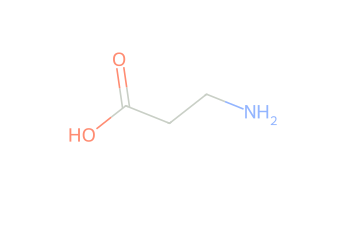
- Dose studied
- 3.2–6.4 g/day (≈179 g total over 4–10 wk)
- Form graded
- Beta-alanine (sustained-release reduces paraesthesia)
- Cited PMIDs PubMed ID: the permanent number the US National Library of Medicine gives a published paper. Each one links to that paper's record on PubMed.
- PMID 27797728 →PMID 22270875 →
A letter describes the human evidence, not the product, the manufacturer, or the ingredient's worth.
See the full evidence record →Who responds: this record's trial reading reports no subgroup that identifies who responds.
Beta-alanine for high-intensity exercise capacity, graded on published human trial evidence.
A grade describes the intervention that was tested. Where the product on the shelf differs from it, this says so.
Commercial disclosure
EBL earns no commission on any supplement it grades. A purchase made through the dispensary link below pays EBL nothing, the practitioner discount goes to you in full. The dispensary is Fullscript, a practitioner dispensary, and many of the professional-grade brands in it are sold mainly through practitioners rather than in health food stores. Grades are assigned by published rubric before any commercial relationship exists and are never influenced by one. Full disclosure.
No dose is published here. This record carries no authored dose, because the cited trials do not converge on a single figure. Each trial cited on this page states the dose it used, and EBL has not turned those into a recommendation.
Standardized extracts/forms were used in the cited trials; product quality varies.
The cited reviews pool trials using about 5 g a day and do not report a time of day or whether doses were taken with food (PMID 27797728, PMID 22270875).
Checked against the full report for 1 of the 2 cited studies, and the published summary for the rest. What the cited trials did, not a schedule. Every supplement, by trial timing →
No prominent contraindication at studied doses. Paraesthesia, the tingling on the face and hands, is a dose-related and harmless effect of a single large dose, and divided or sustained-release dosing avoids it.
Beta-alanine and taurine share a transporter, so sustained high-dose beta-alanine can lower tissue taurine in animals; this has not been shown to matter in humans. No prominent drug interaction has been identified.
Beta-alanine paraesthesia and the taurine question. Paraesthesia is dose-related and harmless, and the systematic risk assessment found no evidence of harm from the doses studied, including no demonstrated human taurine depletion A fall in a nutrient's level caused by a medication, for example through reduced absorption or increased loss.. Dolan et al. (Advances in Nutrition, 2019; PMID 30980076): systematic risk assessment and meta-analysis on the use of oral beta-alanine supplementation.
Performance on time-to-exhaustion or high-intensity interval output (e.g., Wingate test, repeated sprint) at baseline and 4 weeks. Tingling (paresthesia): this is a benign but common side effect that reduces with sustained-release formulations or split dosing. The ergogenic effect is specific to exercise lasting 1-4 minutes at high intensity; do not expect benefit for strength or endurance activities outside this range.
Primary evidenceTwo papers, each linked to its PubMed record.
Saunders et al. (British Journal of Sports Medicine, 2017; PMID 27797728) and Hobson et al. (2012 meta-analysis; PMID 22270875): meta-analyses: beta-alanine improved high-intensity exercise capacity, especially for efforts of 1 to 4 minutes. Grade B: robust meta-analytic evidence on a performance surrogate.
Educational use only · Not medical advice · Starting, stopping or changing any supplement or medication is a decision for your physician
These statements have not been evaluated by the Food and Drug Administration. This product is not intended to diagnose, treat, cure, or prevent any disease. The grade on this page describes the strength of published human trial evidence in the populations studied. It is not a recommendation for any individual and is not medical advice. Starting, stopping or changing any supplement or medication is a decision for your physician.
This page carries a letter. EBL takes no commission, referral fee or payment of any kind on anything it grades. No letter has been bought and none is for sale.
How this is enforced
That is not a promise, it is a build condition. Two checks run on every deploy: one refuses to publish if a commission is claimed on anything graded, the other refuses if a page names a commercial relationship that is not declared in the register. If either fails, this page does not go live. You can read how the checks work, and what they do not cover, on the evidence integrity page.
Grades move when new trials publish. A free monthly email lists every grade EBL moved, with the reason and the trial behind it: the sign-up is on the Evidence Log →