Sleep Optimization
During deep slow-wave sleep, the glymphatic system clears amyloid-beta and tau — the same proteins that accumulate in Alzheimer's disease — at a rate up to 60% higher than waking hours. Simultaneously, pituitary release of human growth hormone (HGH) peaks during the first 90-minute sleep cycle, driving tissue repair, muscle protein synthesis, and fat oxidation. Cortisol, which suppresses immune function and accelerates cellular senescence when chronically elevated, reaches its daily nadir during quality sleep. Meta-analyses link consistently short sleep (under 7 hours) to accelerated telomere shortening, elevated CRP, and a 1.8–2.5× increase in cardiovascular mortality — placing sleep deprivation in the same risk category as smoking for long-term health outcomes.

Human Effect Matrix
Evidence-ranked outcomes from human trials only. Effect direction, strength, and tier shown for each outcome area.
| Outcome | Effect | Strength | Evidence | Key Study |
|---|---|---|---|---|
| Sleep Onset LatencyTime to fall asleep | ↓ Improved | Moderate | Melatonin meta-analysis (Ferracioli-Oda 2013) | |
| Sleep Quality (Subj.)Subjective sleep quality scores | ↑ Improved | Moderate | Human RCT | Magnesium glycinate RCT (Abbasi 2012) |
| Sleep DurationTotal sleep time | ↑ Modest | Preliminary | Melatonin: +13 min; magnesium: varies | |
| Cortisol / StressEvening cortisol, HRV during sleep | ↓ Modest | Preliminary | Human RCT | Ashwagandha RCT (Chandrasekhar 2012) |
| Biological Age (Sleep)Epigenetic age and sleep duration link | ~ Associated | Preliminary | Observational | Observational; causation not established |
| Cognitive PerformanceNext-day memory consolidation | ↑ Improved | Moderate | Review | Walker 2017 Nat Rev Neurosci |
Educational ranking only. Not medical advice. Evidence grade refers to published human research on this ingredient — not proof that any specific product treats or prevents disease. Affiliate links may generate revenue but never affect ratings.
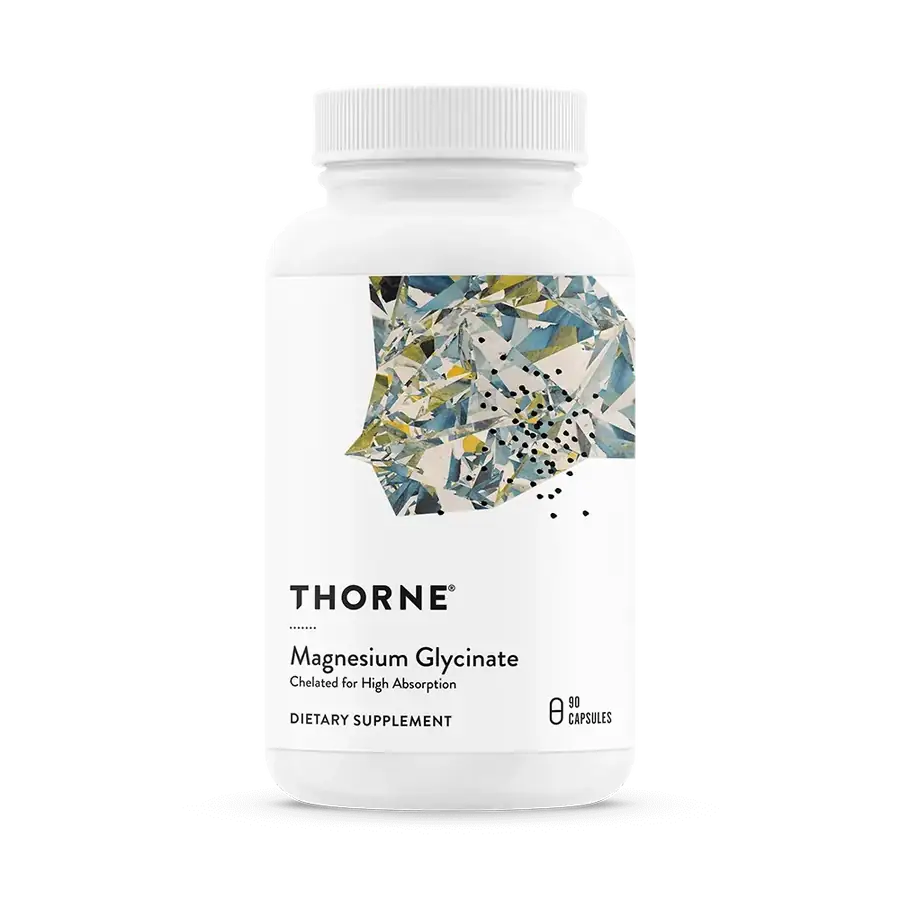
Magnesium Glycinate 300–400mg
Magnesium activates GABA-A receptors — the same inhibitory pathway targeted by sleep medications — and is a required cofactor for melatonin synthesis and cortisol regulation. Abbasi et al. (Journal of Research in Medical Sciences, 2012), a double-blind RCT in elderly insomniacs (n=46), found magnesium supplementation significantly improved sleep efficiency, total sleep time, sleep onset latency, early morning awakening, and serum melatonin versus placebo. Zhang et al. (Sleep Medicine, 2022), a meta-analysis of 7 RCTs, confirmed improvements in subjective sleep quality, insomnia severity, sleep efficiency, and sleep duration. The glycinate form is chosen for superior bioavailability and the absence of GI side effects common with oxide and citrate forms.
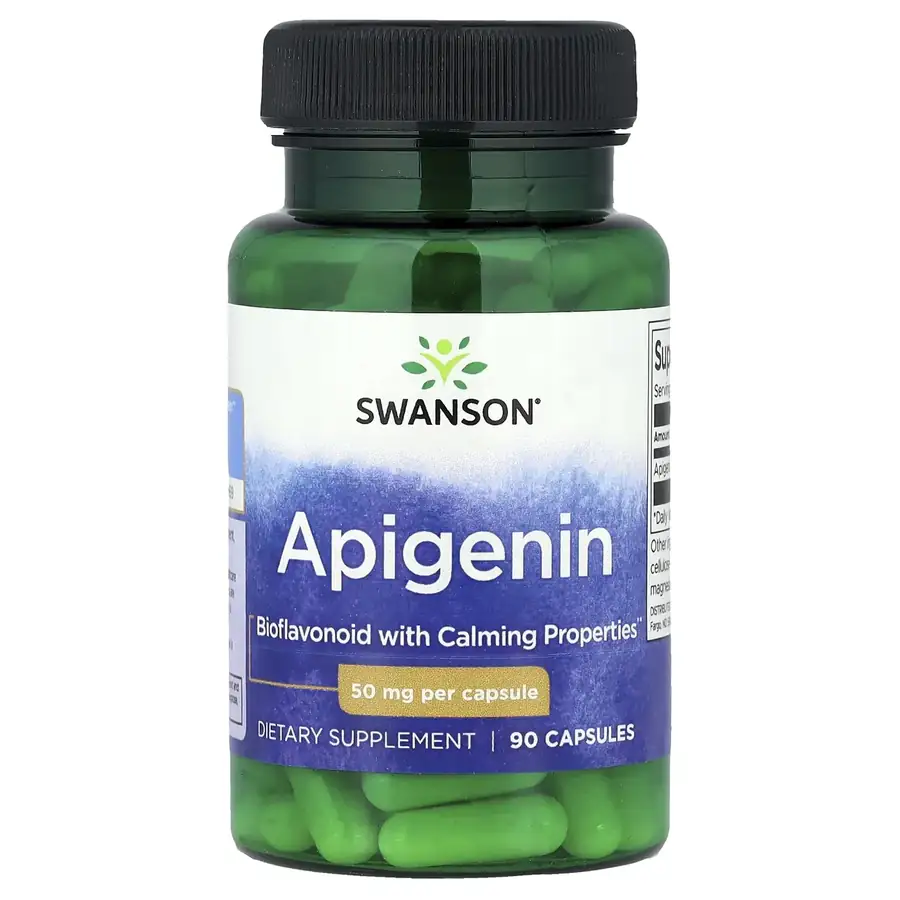
Apigenin 50mg
Apigenin is a flavonoid derived from chamomile and parsley that binds to benzodiazepine receptor sites on GABA-A, producing anxiolytic and mild sedative effects without the dependency or tolerance risk associated with pharmaceutical GABA modulators. Hieu et al. (Phytotherapy Research, 2019) demonstrated significant improvements in sleep quality and anxiety scores in a human RCT. A secondary mechanism of interest: apigenin inhibits CD38, a major NAD+-consuming enzyme, making it a useful co-supplement for those already using NMN or NR. The 50mg dose is supported by the available human literature and is well below the threshold for any observed adverse effects.
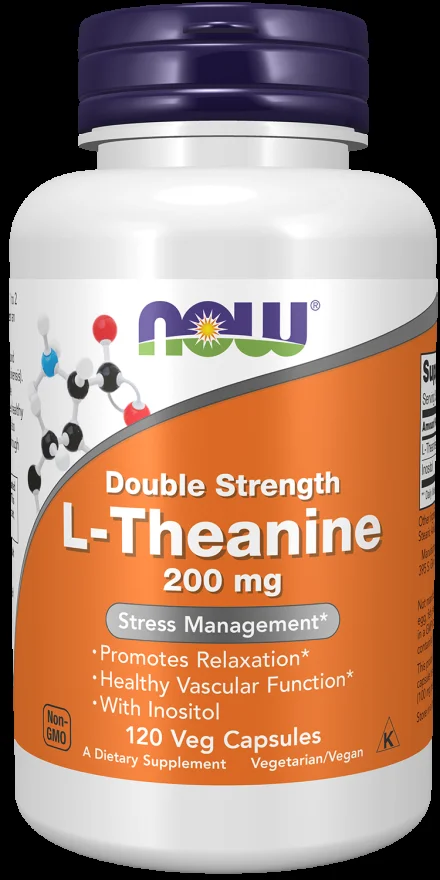
L-Theanine 200mg
L-theanine, an amino acid naturally occurring in green tea, promotes alpha wave activity in the brain — a neural signature of relaxed, non-drowsy calm that eases the transition into sleep without inducing daytime sedation. Hidese et al. (Nutrients, 2019), a randomized double-blind placebo-controlled trial (n=30), found 200mg daily for 4 weeks significantly improved sleep satisfaction, sleep latency, and sleep disturbance scores in healthy adults. Williams et al. (Asia Pacific Journal of Clinical Nutrition, 2016) replicated sleep quality improvements in a separate population. Notably, L-theanine does not impair alertness during waking hours, making it a safe and well-tolerated option for daily use regardless of time of administration.
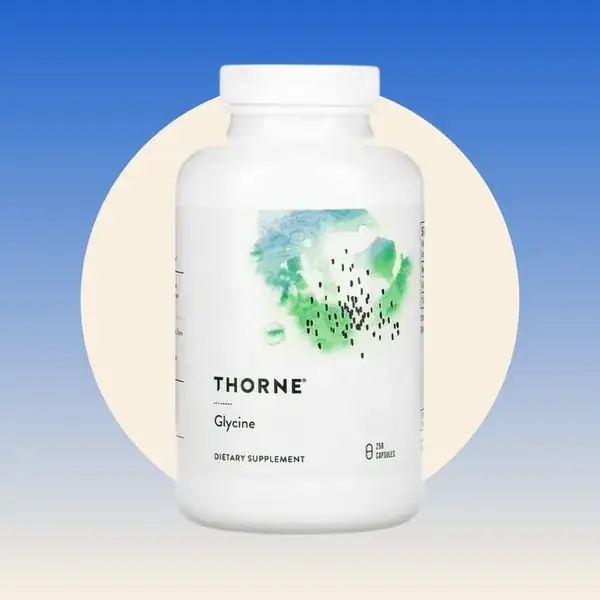
Glycine 3g
Bannai et al. (Sleep and Biological Rhythms, 2012) found that 3g glycine before bed significantly improved subjective sleep quality, reduced daytime sleepiness, and enhanced cognitive performance the following morning in a controlled human trial. The mechanism is physiologically distinct from other sleep compounds: glycine lowers core body temperature by dilating peripheral blood vessels — a critical trigger for sleep onset — while also acting as an inhibitory neurotransmitter in the spinal cord and brainstem. Glycine is inexpensive, extremely well-tolerated, and stacks cleanly with magnesium.
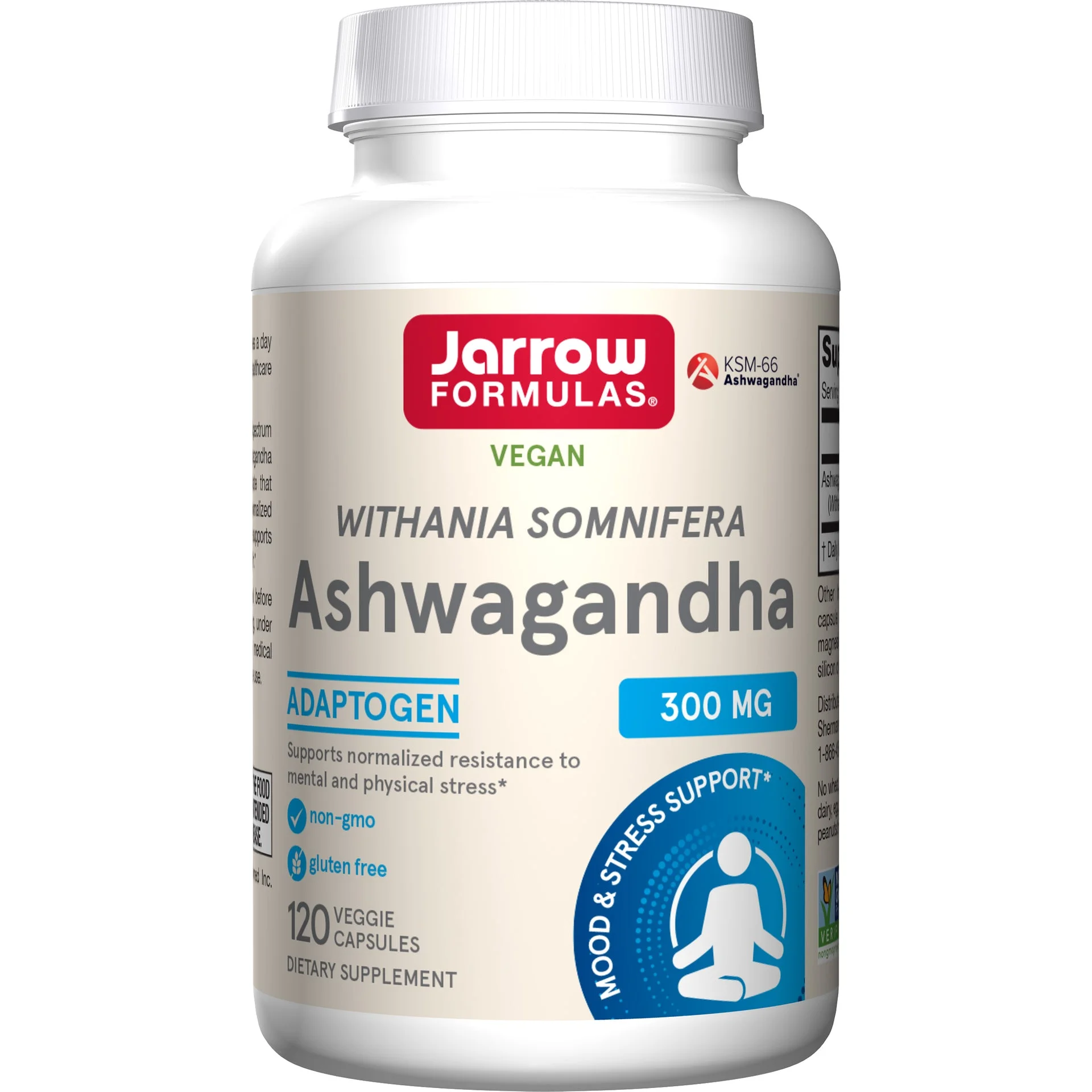
Ashwagandha KSM-66 300–600mg
Langade et al. (PLOS ONE, 2019), a double-blind, placebo-controlled RCT (n=150), found KSM-66 ashwagandha significantly improved sleep quality and total sleep time versus placebo. The primary mechanism for sleep benefit is cortisol suppression via ashwagandha's withanolide content — chronically elevated cortisol is among the most common biochemical drivers of insomnia, particularly in adults over 50. Secondary GABA-mimetic activity further reduces CNS arousal. This compound is best suited to individuals whose sleep disruption is stress- or anxiety-driven rather than those with structural sleep-architecture problems.
One research-grounded briefing per week. No hype, no affiliate push, no AI-generated filler.