← Home Adaptogens & Stress
Browse all 22 categories →
Jump to:
HPA Axis · Cortisol · Cognitive Resilience

Adaptogens & Stress

Chronic stress accelerates biological aging through sustained HPA axis activation, elevated cortisol, and downstream inflammation. Adaptogens are a class of botanical compounds with evidence for modulating the stress response without sedation or dependence. This page ranks the three most studied adaptogens — ashwagandha, rhodiola rosea, and panax ginseng — by quality of human trial data.

Evidence last reviewedMay 2026
Last reviewed: May 2026  ·  Next review: August 2026  ·  Evidence standard: Human RCT data only
Reviewed by The Founder · A.B.A.A.H.P. · 47 Years in Nutrition & Longevity
A
Strong Human RCT EvidenceMultiple replicated trials, hard endpoints, dose-matched
B
Moderate Human EvidenceHuman trials with surrogate endpoints or limited replication
C
Limited Human EvidencePreliminary human data, strong mechanistic basis
D
No Human Trial DataAnimal or in-vitro only; listed for awareness
ADAPTOGENS & STRESS

Adaptogens & Stress

The HPA (hypothalamic-pituitary-adrenal) axis is the body's primary stress-response system. Chronic activation leads to persistently elevated cortisol, which accelerates telomere shortening, suppresses immune function, disrupts sleep architecture, and promotes visceral fat accumulation — all established mechanisms of accelerated biological aging. Adaptogens are defined pharmacologically by their ability to produce a non-specific stress-protective response without causing excess stimulation or dependence. Unlike anxiolytics or sedatives, adaptogens work upstream at the HPA axis and cellular stress-response level. The three compounds ranked here have the strongest human RCT evidence in this class; all others currently lack the trial volume for a scored rating.

The Founder
Reviewed by The Founder
Founding Professor of Anti-Aging Studies  ·  A.B.A.A.H.P.  ·  47 Years in Nutrition & Longevity
Evidence snapshot
~28 RCTs
3,400+ participants
Updated May 2026

Educational ranking only. Not medical advice. Evidence grade refers to published human research on this ingredient — not proof that any specific product treats or prevents disease. Affiliate links may generate revenue but never affect ratings.
Tier A — Robust RCT Evidence Multiple double-blind RCTs · Meta-analysis support · Dose and form established · Consistent cortisol and stress outcomes
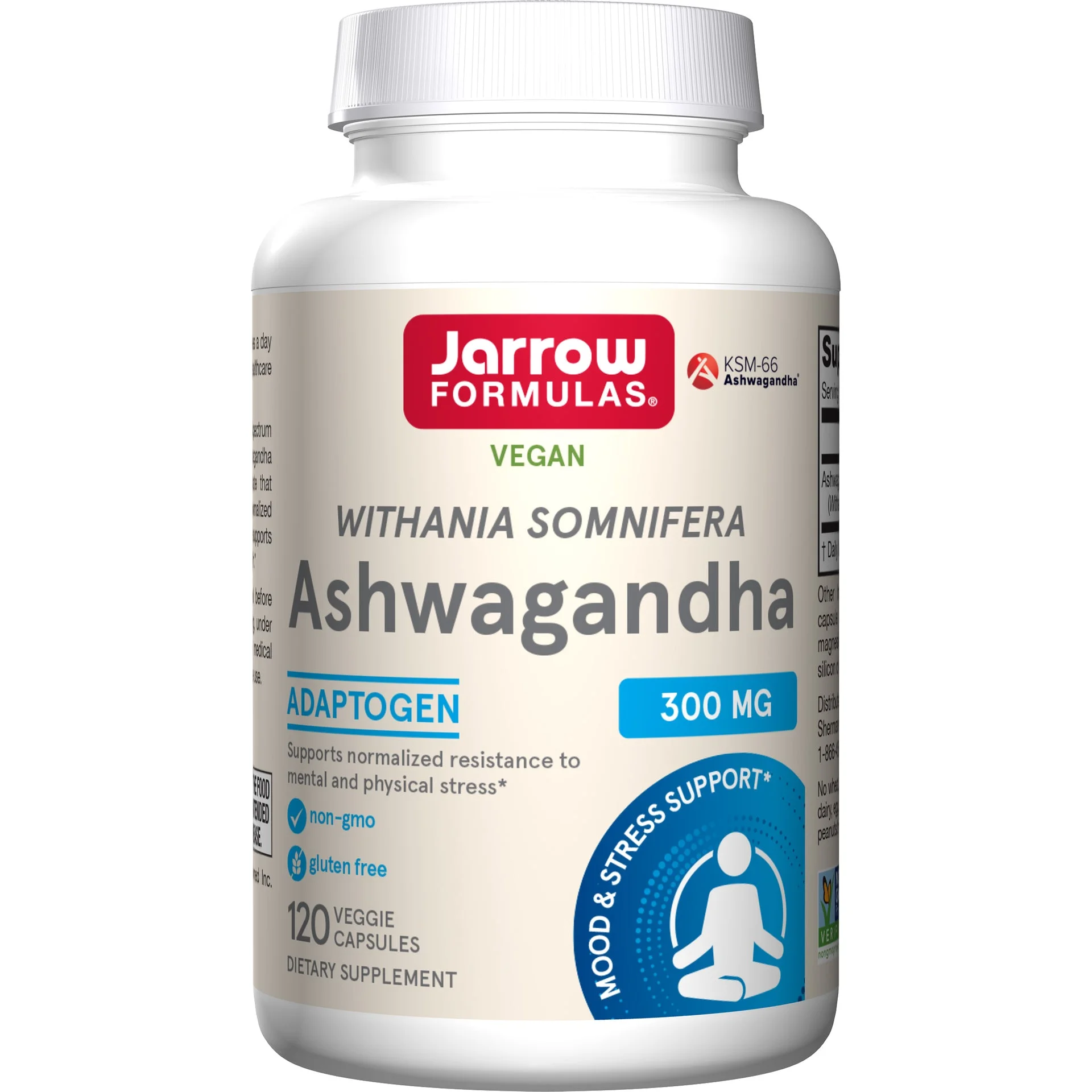
Jarrow KSM-66 Ashwagandha
#1

Ashwagandha — KSM-66 / Sensoril (600mg/day)

Jarrow KSM-66 · Thorne Ashwagandha
Evidence
A

The most evidence-rich adaptogen in human trials. KSM-66 and Sensoril ashwagandha (both standardized withanolide extracts) have each accumulated multiple double-blind RCTs showing significant reductions in serum cortisol (14–28%), improved stress resilience on validated scales (PSS, DASS), and measurable improvements in sleep quality and testosterone in men. A 2019 meta-analysis (Pratte et al., J Altern Complement Med) covering 5 RCTs confirmed consistent effect across populations. The 600mg/day dose is the most replicated; Sensoril uses a root-and-leaf extract at lower doses with comparable effect. Do not substitute generic ashwagandha — standardization to withanolides is essential.
Chandrasekhar et al. 2012 (IPGT) · Pratte et al. 2019 meta-analysis (JACM) ↗ Cortisol ↓ 14–28% · Stress Score ↓ · Sleep Quality ↑ · Testosterone ↑ (men)
Evidence Snapshot
Grade
A
Evidence Type
Multiple human RCTs
Study Dose
300–600mg KSM-66/day
Disclosure
Affiliate links present
Tier B+ — Strong Evidence, Some Limitations Multiple RCTs with consistent results · Form-specific — results do not generalize to generic rhodiola · Smaller trials than Tier A
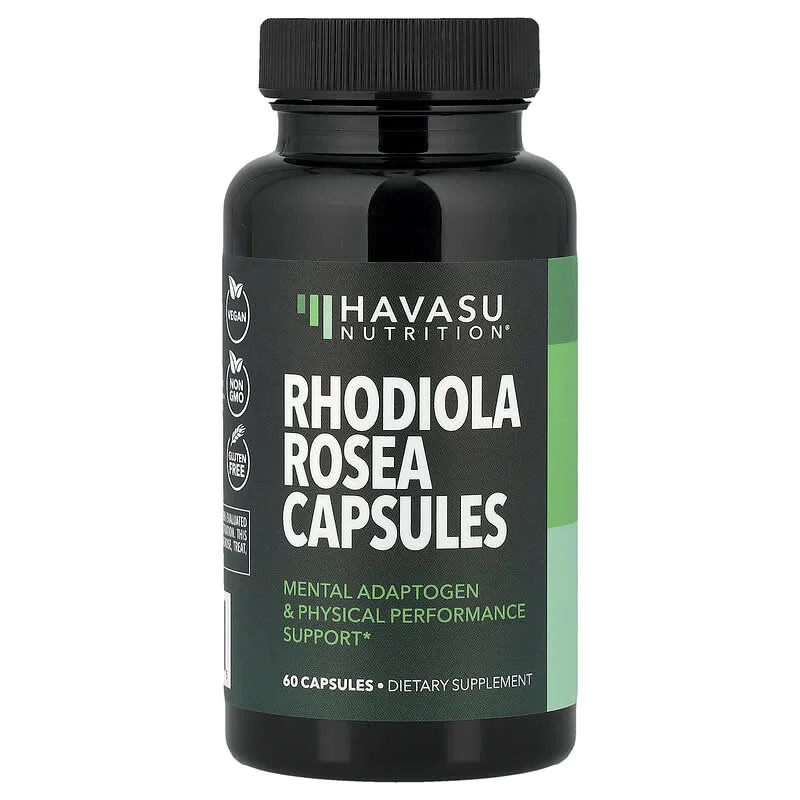
Life Extension Rhodiola Rosea
#2

Rhodiola Rosea — WS-1375 / SHR-5 Extract (400–600mg/day)

Life Extension Rhodiola
Evidence
B+

Rhodiola rosea at the WS-1375 or SHR-5 standardized extract has demonstrated consistent anti-fatigue and cognitive-stress benefits in human RCTs. The mechanism centers on upregulation of HSP70 and nitric oxide in stress-response pathways, and modulation of serotonin and dopamine reuptake. A 2012 RCT (Darbinyan et al., Phytomedicine) in night-shift physicians showed significant reductions in mental fatigue and error rate. Data are most robust for cognitively stressed adults; evidence in athletic or physically stressed populations is mixed. Form specificity is critical — results from standardized SHR-5 do not generalize to unstandardized rhodiola products.
Darbinyan et al. 2012 (Phytomedicine) · Olsson et al. 2009 (Planta Med) ↗ Mental Fatigue ↓ · Cognitive Performance ↑ · Stress Resilience ↑
Evidence Snapshot
Grade
B+
Evidence Type
Human RCT data
Study Dose
400–600mg/day
Disclosure
Affiliate links present
Tier B — Clinically Actionable with Caveats Human RCTs confirm benefit · Effect sizes smaller than Tier A · Most relevant for cognitively stressed adults · Athletic data mixed
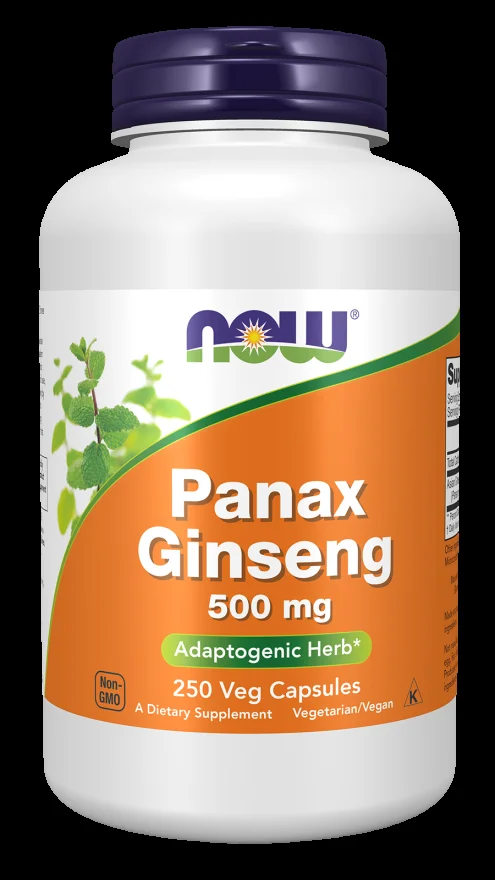
NOW Foods Korean Red Ginseng
#3

Panax Ginseng — Korean Red Ginseng (1–3g/day)

NOW Korean Red Ginseng
Evidence
B

Korean Red Ginseng improved cognitive performance and reduced fatigue in a double-blind RCT (Kennedy et al. 2001, Psychopharmacology, n=30). Ginsenosides Rg1 and Rb1 modulate dopaminergic and noradrenergic pathways and reduce HPA axis activation downstream of CRH signaling. A 2018 meta-analysis (Lee & Rhee, J Ginseng Research) across 10 RCTs found consistent but modest effects — effect sizes uniformly smaller than ashwagandha. Standardization to ginsenoside content is essential.
Kennedy et al. 2001 (Psychopharmacology) · Lee & Rhee 2018 (J Ginseng Res) ↗ Cognitive Performance ↑ · Fatigue ↓ · HPA Activity ↓
Evidence Snapshot
Grade
B+
Evidence Type
Human RCT data
Study Dose
Per label
Disclosure
Affiliate links present
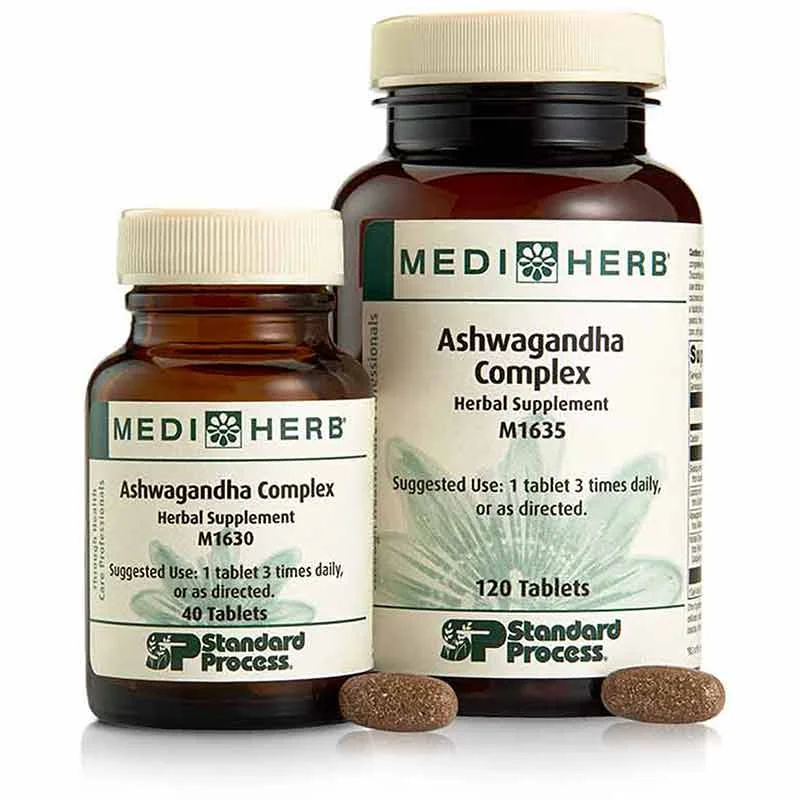
MediHerb Ashwagandha Complex
#4

MediHerb Ashwagandha Complex

Standard Process — MediHerb Line
Evidence
B

MediHerb combines withanolide-standardized ashwagandha with Siberian ginseng and licorice root in a practitioner-grade whole-herb matrix. Withanolides reduce serum cortisol via HPA axis modulation; the synergistic nervine blend extends the adrenal-support profile beyond single-ingredient products. Evidence grade reflects the ashwagandha ingredient RCT base — the proprietary combination has not been independently trialed.

Evidence Snapshot
Grade
B+
Evidence Type
Human RCT data
Study Dose
Per label
Disclosure
Affiliate links present

Available through professional dispensary only. Practitioner guidance recommended for dosing.

Free weekly digest
Get the evidence before the marketing does.

One research-grounded briefing per week. No hype, no affiliate push, no AI-generated filler.

What the evidence grade means
Ingredient evidence
What published human RCTs show for this compound at the studied dose and form
Product evidence
Whether this specific product has been independently tested — most have not
Disease treatment
None of these rankings imply treatment or prevention of any disease
Your result
Individual responses vary — use this as a research starting point, not a prescription
Explore other categories
NAD+ & Cellular Energy Cardiovascular Health Sleep Optimization Gut Health Immune & Inflammation Browse All 22 →
Sources (4)
  1. Pratte et al., 2014 — J Int Soc Sports Nutr — ashwagandha RCT
  2. Human RCT Chandrasekhar et al., 2012 — Indian J Psychol Med — ashwagandha cortisol RCT
  3. Review Panossian & Wikman, 2010 — Phytomedicine — adaptogens review
  4. Meta-Analysis Ishaque et al., 2012 — Phytotherapy Research — rhodiola meta-analysis
Evidence tier key
Human RCT Meta-Analysis Observational Review Mechanistic