Hormonal compounds affect multiple downstream pathways. Baseline and follow-up lab panels (DHEA-S, testosterone, estradiol, cortisol) are advisable before and during any supplementation. This page is educational — it does not constitute individualized medical guidance.
Hormonal Health
The adrenal glands produce DHEA and pregnenolone as upstream precursors to virtually every major steroid hormone in the body — including testosterone, estrogens, progesterone, and cortisol. Production of both compounds follows a steep age-related decline that begins in the third decade of life and continues without plateau. Unlike pharmaceutical hormone replacement, these precursors offer a less direct route to hormonal support, with conversion rates that vary substantially by individual biology, enzyme activity, and baseline levels. Evidence from human RCTs supports modest, real-world effects at the ingredient level, with the practical caveat that response is not predictable without lab monitoring.

Educational ranking only. Not medical advice. Evidence grade refers to published human research on this ingredient — not proof that any specific product treats or prevents disease. Affiliate links may generate revenue but never affect ratings.
Educational ranking only. Not medical advice. Evidence grade refers to published human research on this ingredient — not proof that any specific product treats or prevents disease. Affiliate links may generate revenue but never affect ratings.
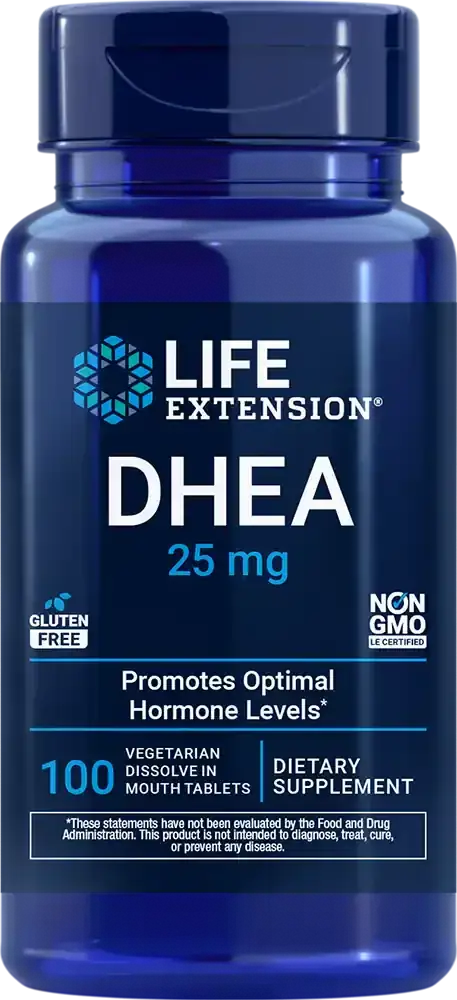
DHEA (Dehydroepiandrosterone, 25–50mg/day)
Educational ranking only. Not medical advice. Evidence grade refers to published human research on this ingredient — not proof that any specific product treats or prevents disease. Affiliate links may generate revenue but never affect ratings.
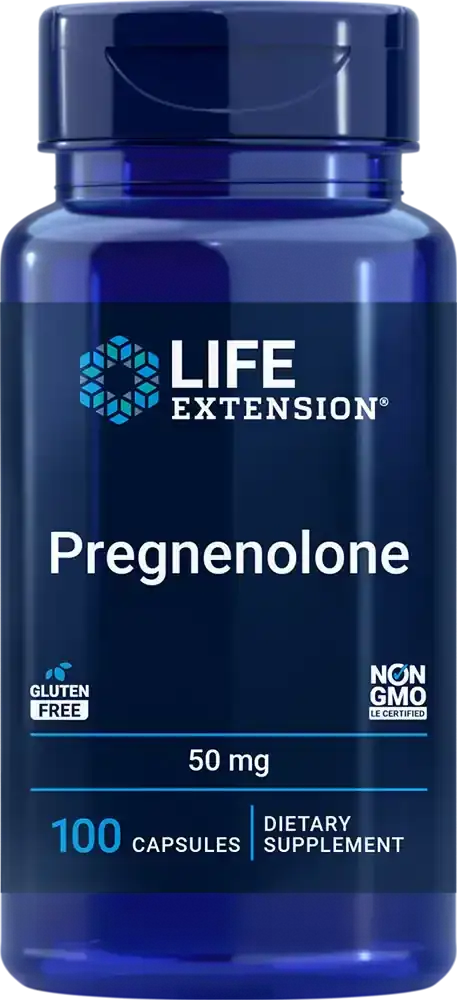
Pregnenolone (10–30mg/day)
Pregnenolone sits at the top of the steroid biosynthesis cascade, serving as the precursor to DHEA, progesterone, cortisol, testosterone, and all estrogens. Its theoretical appeal for longevity is substantial: declining pregnenolone production with age could plausibly bottleneck the entire downstream hormonal system. A double-blind RCT by Vallée et al. (1997, Proceedings of the National Academy of Sciences) found that pregnenolone sulfate modulated NMDA receptor activity in aged subjects, pointing to neurosteroid activity beyond simple hormone precursor function. Human RCT data on longevity-specific outcomes remains sparse — the bulk of available evidence addresses mood and memory domains, with most trial sample sizes below n=60. Earlier work by Morales et al. (1994, Journal of Clinical Endocrinology & Metabolism) documented DHEA-S and pregnenolone relationships in aging populations. Mechanistically, pregnenolone is a sound upstream precursor; clinically, its conversion to downstream hormones is highly variable and unpredictable without monitoring, and it is not suitable for unsupervised use.
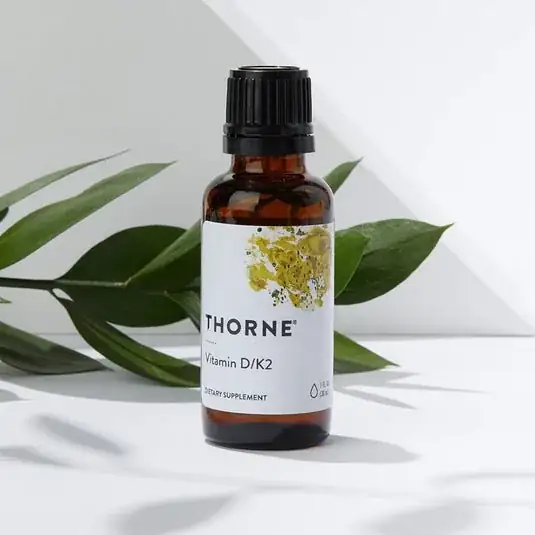
Vitamin D3 — Testosterone & Hormonal Support
Pilz et al. 2011 (Horm Metab Res, n=165) showed vitamin D3 supplementation significantly increased total testosterone levels in men with deficiency. Wehr et al. 2010 found strong positive correlation between 25(OH)D and testosterone across 2,299 men. Deficiency is extremely prevalent in adults over 50 and is mechanistically linked to reduced androgen production via Vitamin D receptors on Leydig cells. Test 25(OH)D before supplementing — target 40–60 ng/mL.
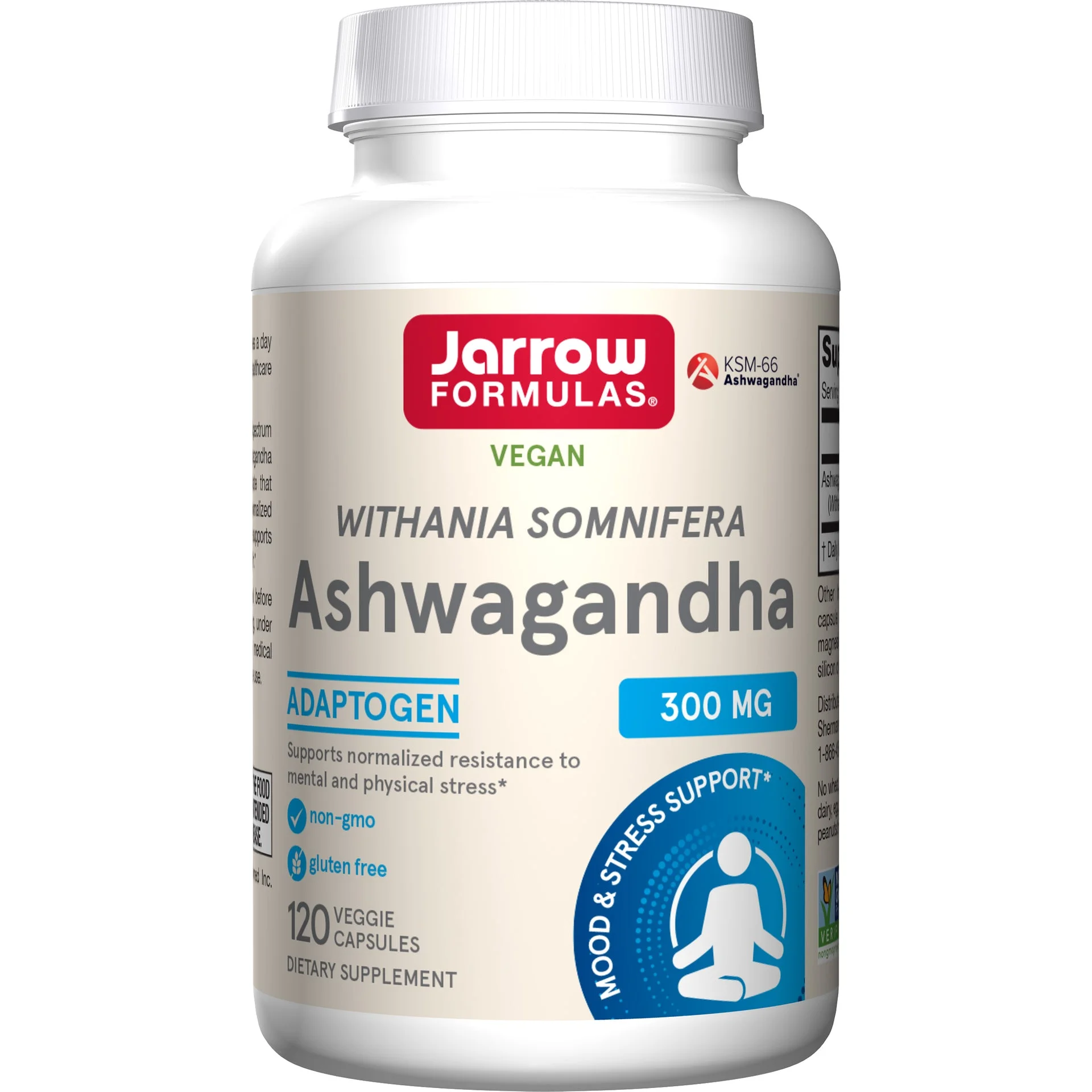
Ashwagandha KSM-66 — Cortisol & Testosterone
Two double-blind, placebo-controlled RCTs demonstrate 15–17% increases in testosterone in healthy men taking KSM-66 extract 300–600mg/day for 8–12 weeks. Chandrasekhar et al. 2012 (n=64) showed 27.9% reduction in serum cortisol. High cortisol chronically suppresses testosterone via HPA-HPG axis cross-inhibition — cortisol reduction is the likely mechanism. Most clinically studied adaptogen for hormonal axis regulation.
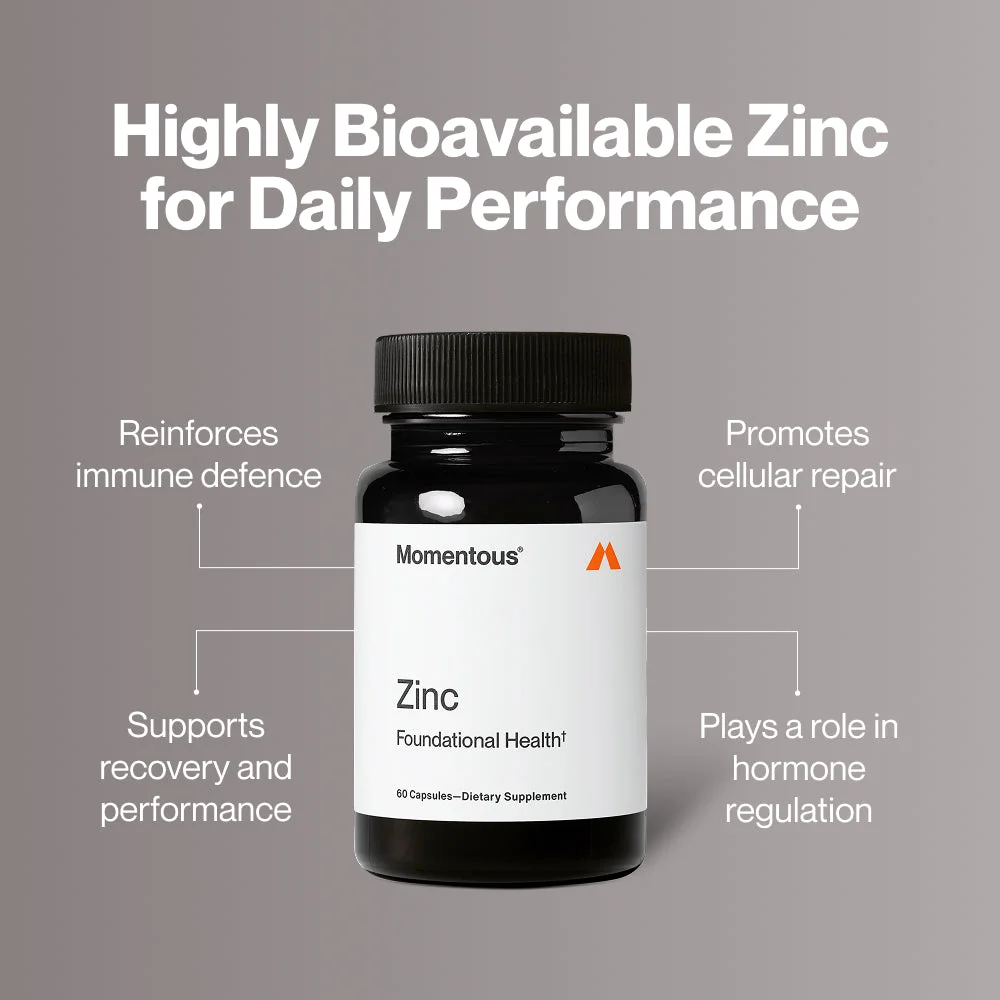
Zinc — Testosterone & Hormonal Cofactor
Zinc is a direct cofactor in testosterone biosynthesis and 5-alpha reductase activity. Prasad et al. 1996 (Nutrition) demonstrated that dietary zinc restriction over 20 weeks significantly reduced serum testosterone in healthy men, and repletion restored it. Supplementation corrects testosterone in deficient individuals but does not raise it above baseline in replete individuals. Deficiency is common in adults over 60. Test serum zinc before supplementing — do not exceed 40mg/day (upper tolerable limit).
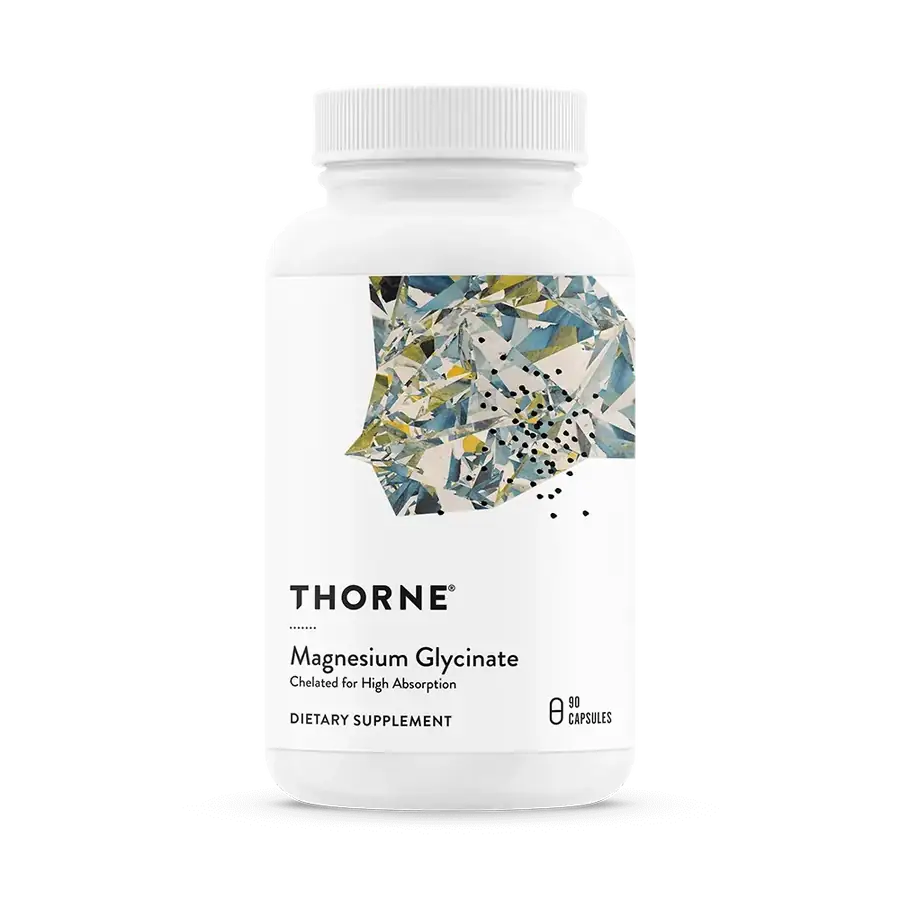
Magnesium Glycinate — Hormonal Support & Sleep
Cinar et al. 2011 (Biol Trace Elem Res) showed magnesium supplementation increased free and total testosterone levels in sedentary men and athletes. Mechanistically, magnesium reduces SHBG (sex hormone-binding globulin) binding, increasing free testosterone availability. Also critical for cortisol regulation and deep sleep architecture — both of which directly impact hormonal production overnight. Depleted by diuretics, PPIs, and chronic stress. Test RBC magnesium (more sensitive than serum).
One research-grounded briefing per week. No hype, no affiliate push, no AI-generated filler.
Educational ranking only. Not medical advice. Evidence grade refers to published human research on this ingredient — not proof that any specific product treats or prevents disease. Affiliate links may generate revenue but never affect ratings.