
Senolytics & Cellular Aging
Senescent cells — "zombie cells" that stop dividing but refuse to die — accumulate with age and secrete inflammatory signals (SASP) that accelerate aging in surrounding tissue. Senolytics selectively clear these cells. The field had its first human RCT data in 2019, and a landmark 2025 Lancet trial confirmed meaningful cognitive and mobility benefits.
Educational ranking only. Not medical advice. Evidence grade refers to published human research on this ingredient — not proof that any specific product treats or prevents disease. Affiliate links may generate revenue but never affect ratings.
Human Effect Matrix
Evidence-ranked outcomes from human trials only. Effect direction, strength, and tier shown for each outcome area.
| Outcome | Effect | Strength | Evidence | Key Study |
|---|---|---|---|---|
| Senescent Cell BurdenCirculating senescent cell markers | ↓ Modest | Preliminary | Human RCT | Justice 2019: D+Q pilot, 14 pts |
| Physical FunctionGait speed, grip strength (IPF patients) | ↑ Improved | Preliminary | Human RCT | Kirkland 2019 pilot; small N |
| InflammationIL-6, TNF-α, SASP markers | ↓ Modest | Preliminary | Human RCT | D+Q: 2 cycles, elderly subjects |
| Cognitive FunctionMemory, processing speed | ~ Emerging | Weak | Observational | No replicated human RCTs yet |
| Lifespan ExtensionAll-cause mortality in humans | ~ No data | Weak | mech | Strong animal data; human trials ongoing |
| Safety ProfileAdverse events in short-term use | ~ Tolerated | Preliminary | Human RCT | D+Q tolerated in pilot studies; long-term unknown |
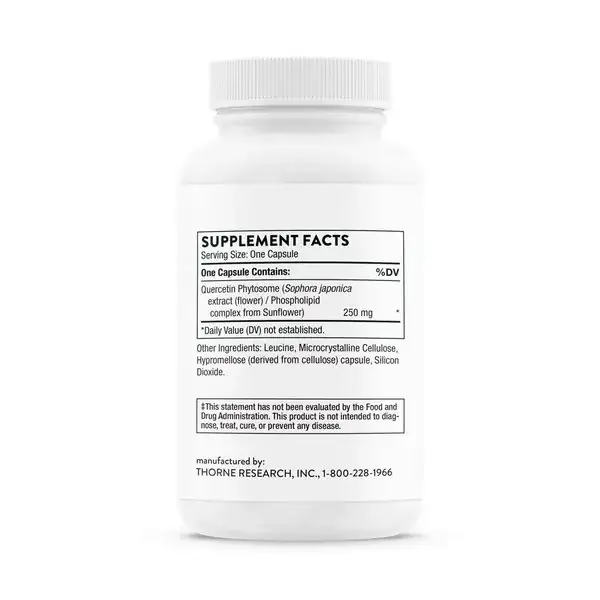
Quercetin (Phytosome / Quercefit® form)
The 2025 Lancet RCT (Dasatinib + Quercetin): −23% working memory loss, −31% mobility loss, −40% senescent cell markers vs. placebo over 12 months. Earlier Mayo Clinic trials in diabetic kidney disease and IPF showed the first-ever human senolytic effect. Quercefit® (phytosome form) provides 20× greater bioavailability vs. standard quercetin. Use pulsed dosing protocol (3 days on, rest) to mimic clinical trial protocols.
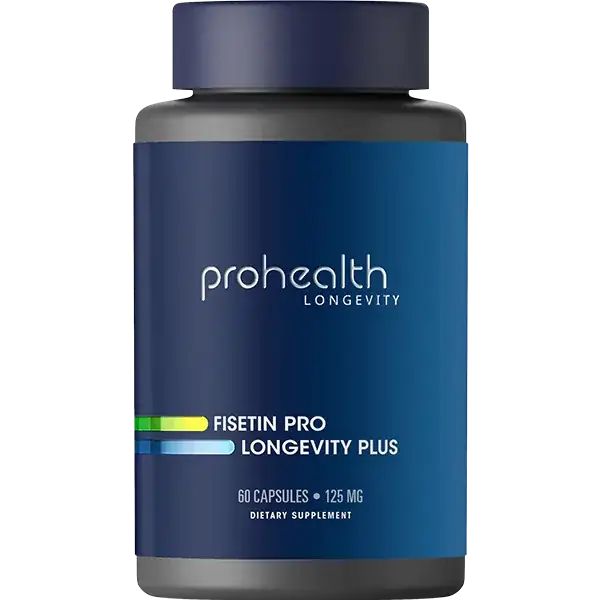
Fisetin — Most Potent Natural Senolytic
EBioMedicine 2018 (Mayo Clinic): fisetin was the most potent senolytic among 10 flavonoids tested, reducing senescent cell load by up to 70% in aged mice. A 2024 human pilot showed 4 of 10 older adults had measurable biological age reduction post-fisetin pulsing. Liposomal form significantly improves bioavailability. Standard protocol: 20mg/kg pulsed over 2 consecutive days per month.
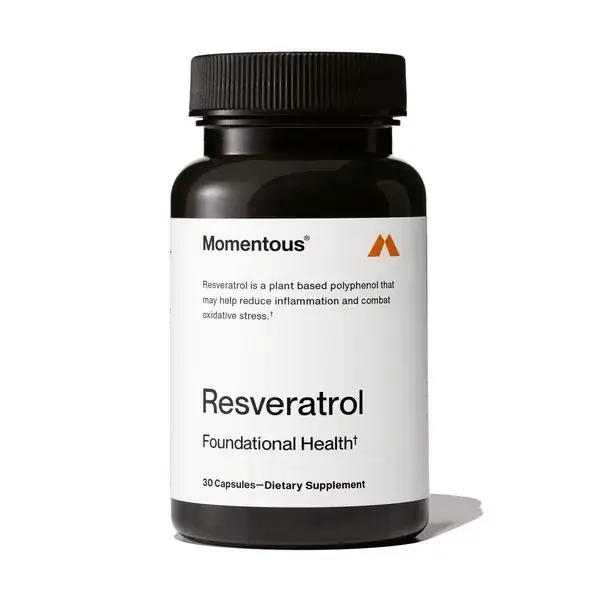
Resveratrol (Trans-Resveratrol)
SIRT1 activator. Turner et al. 2015: improved memory performance and hippocampal functional connectivity in older adults. Multiple RCTs confirm cardiovascular risk factor improvements. Synergistic with NR/NMN (activates the same sirtuin pathways downstream of NAD+). Pterostilbene is a more bioavailable analog (4×). Best paired with pterostilbene or taken alongside NR.
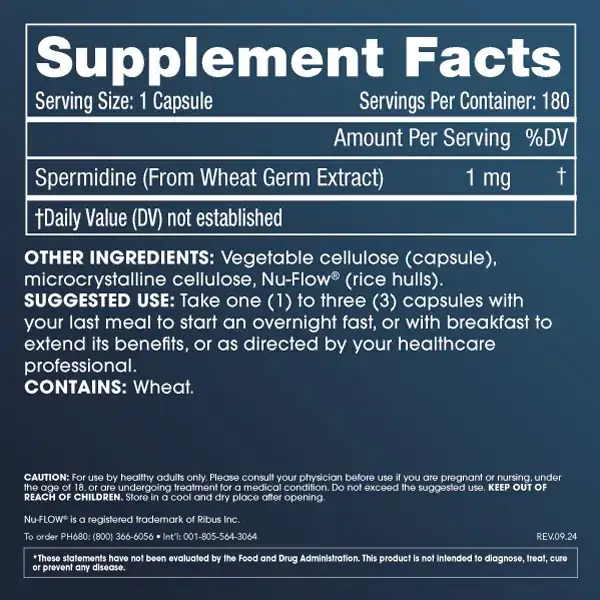
Spermidine
Kiechl et al. 2018 (BMJ): 20-year Bruneck cohort study linked highest dietary spermidine intake to −12% all-cause mortality, −17% cardiovascular mortality, and −21% cancer mortality vs. lowest intake. Note: these are observational associations with dietary intake, not clinical claims about spermidine supplements. Mechanism: autophagy induction via mTOR inhibition. As a polyamine, spermidine declines with age; supplementation to support autophagy is under active human study. Life Extension's Geroprotect® Autophagy Renew stacks spermidine with EGCG and berberine. These statements have not been evaluated by the FDA.
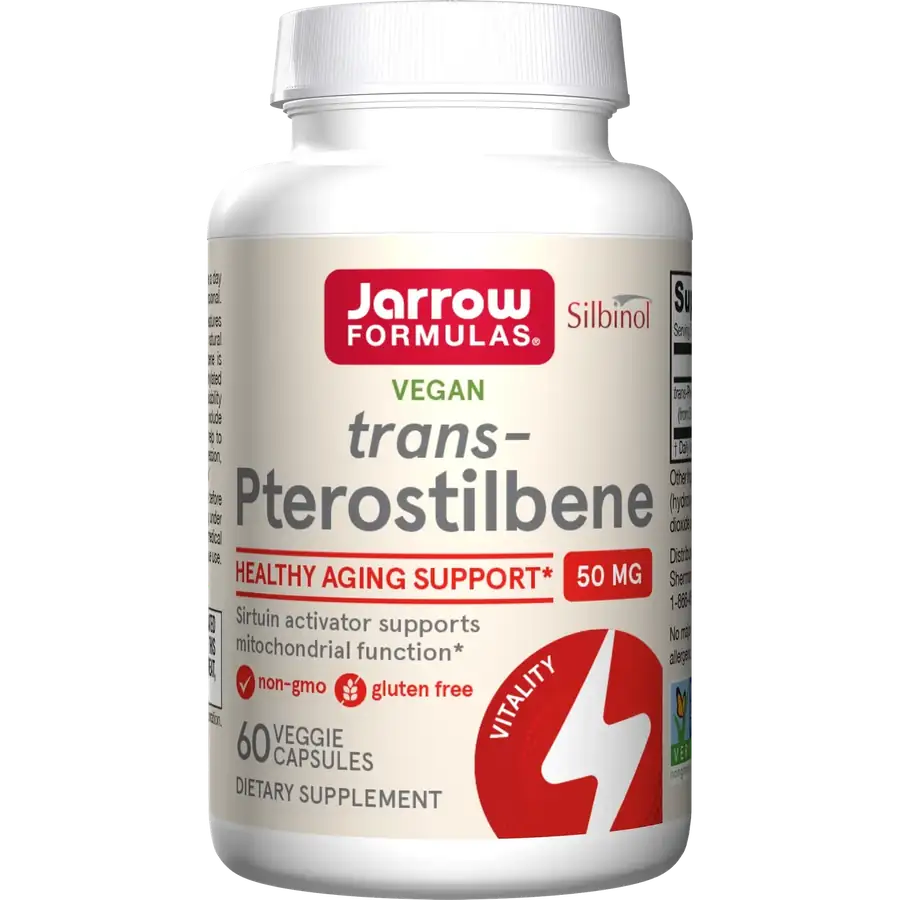
Pterostilbene
Resveratrol analog with 4× greater bioavailability. Riche et al. 2013: dose-dependent LDL and blood pressure reduction. Elysium's Basis (NR+pterostilbene) is the best-studied NR combination product. Activates SIRT1 and AMPK. Consider pairing with NR or NMN for synergistic NAD+/sirtuin activation.
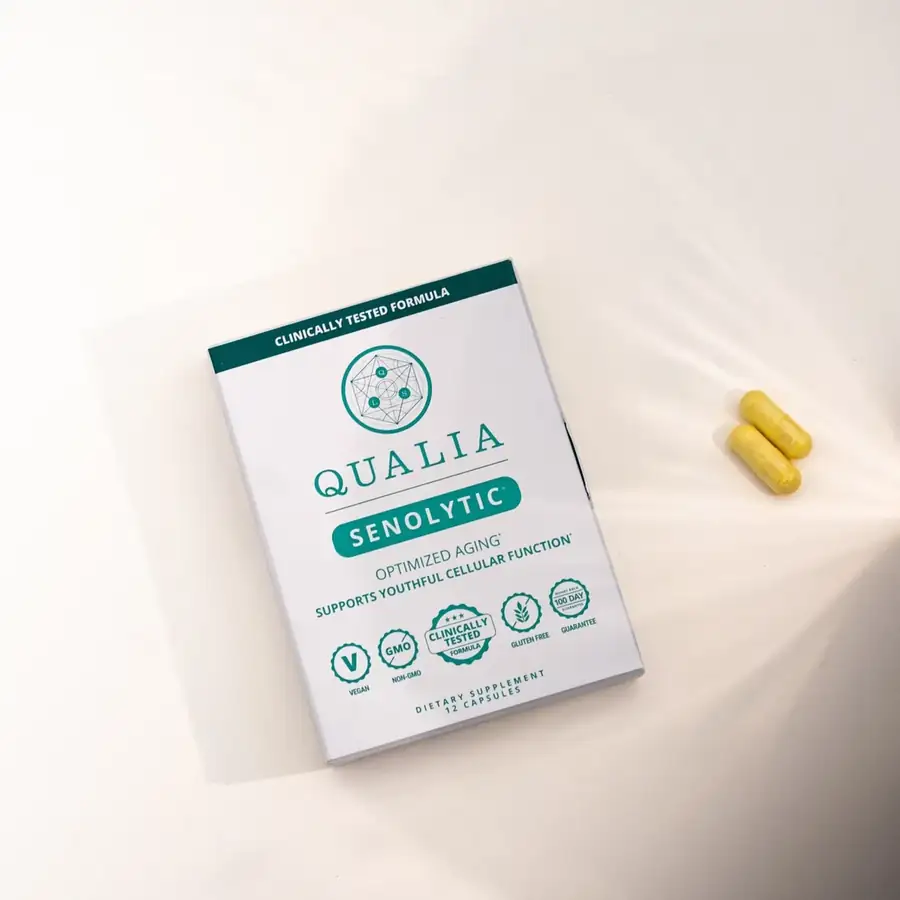
Qualia Senolytic
9-ingredient pulsed senolytic formula: fisetin, quercetin, piperlongumine, luteolin, and other flavonoids selected from the Mayo Clinic senolytic screening database. Neurohacker's longevity line only — not all Qualia products are on our list. Designed for pulsed use (2 days/month protocol). Human pilot data published 2023.