Reproductive Longevity
Ovarian reserve and oocyte quality decline with age in a trajectory that begins earlier and proceeds faster than most other organ systems. At the cellular level, this is primarily a mitochondrial story: oocytes depend on abundant, functional mitochondria to complete meiosis, and that demand peaks precisely when endogenous CoQ10 synthesis begins declining in women in their mid-30s. Insulin signaling dysfunction compounds the problem by impairing the FSH cascade that drives follicular maturation, which is where inositol supplementation intervenes. Nutritional optimization — particularly DHA status — shapes the lipid environment of the developing oocyte and, later, the structural foundation of the fetal nervous system. Taken together, these three categories represent the strongest evidence base for modifiable nutritional support of reproductive healthspan.

Educational ranking only. Not medical advice. Evidence grade refers to published human research on this ingredient — not proof that any specific product treats or prevents disease. Affiliate links may generate revenue but never affect ratings.
Educational ranking only. Not medical advice. Evidence grade refers to published human research on this ingredient — not proof that any specific product treats or prevents disease. Affiliate links may generate revenue but never affect ratings.
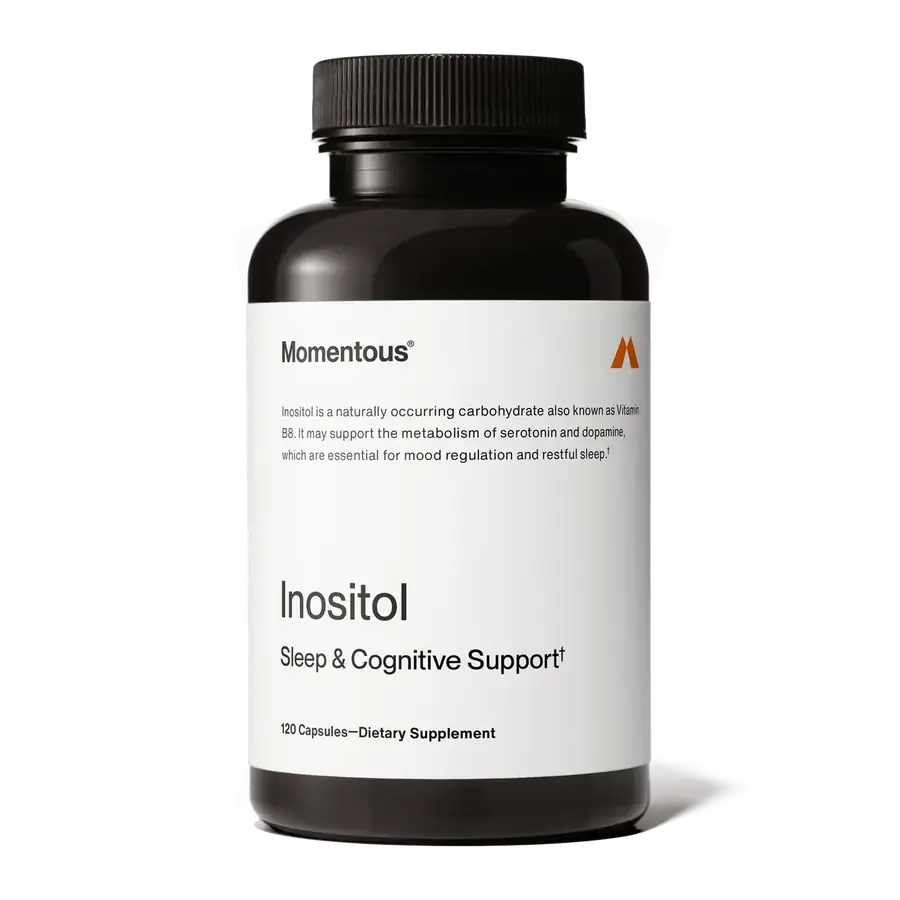
Myo-Inositol — 2–4 g/day (40:1 with D-chiro inositol)
Educational ranking only. Not medical advice. Evidence grade refers to published human research on this ingredient — not proof that any specific product treats or prevents disease. Affiliate links may generate revenue but never affect ratings.
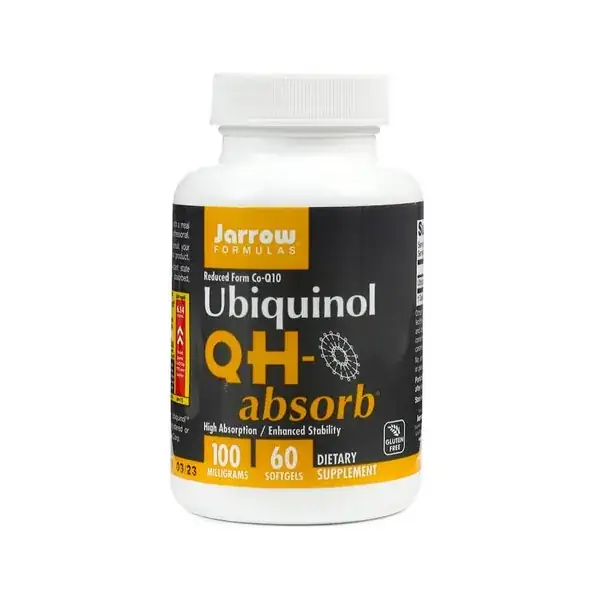
CoQ10 Ubiquinol — 400–600 mg/day
Educational ranking only. Not medical advice. Evidence grade refers to published human research on this ingredient — not proof that any specific product treats or prevents disease. Affiliate links may generate revenue but never affect ratings.

Prenatal DHA — 200–600 mg/day (algae-sourced preferred)
DHA supplementation during preconception and pregnancy reduced preterm birth risk in a landmark double-blind RCT by Makrides et al. (JAMA, 2010; n=2,399), one of the largest omega-3 pregnancy trials conducted. DHA is the dominant structural fatty acid in neural tissue; fetal brain development imposes substantial maternal DHA demand, particularly during the third trimester when neuronal proliferation peaks. A 2016 Cochrane review by Middleton et al. confirmed that DHA supplementation reduces early preterm birth (before 34 weeks) by approximately 42% across included trials. Algae-derived DHA avoids the trace mercury concerns associated with fish-sourced omega-3s, making it the preferred form for the preconception and periconception period. Evidence linking DHA directly to oocyte quality per se is more limited than the fetal outcome data; the B grade reflects this caveat.
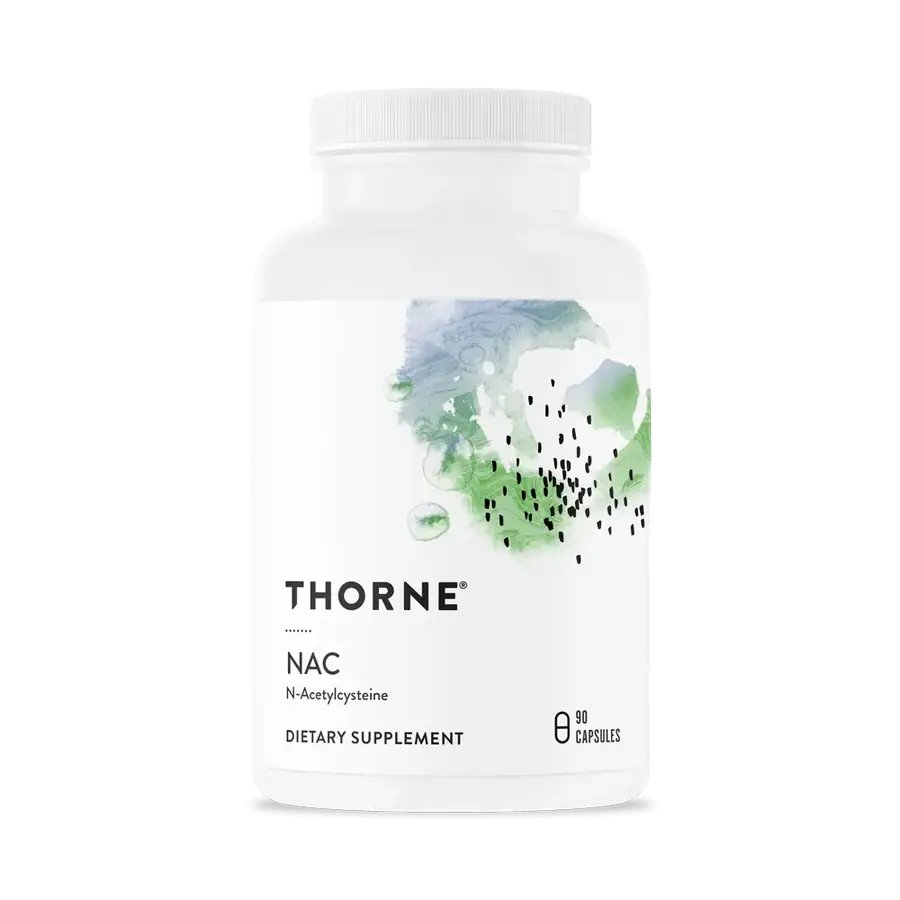
N-Acetylcysteine (NAC) — Oocyte Oxidative Defense
NAC is the direct precursor to glutathione — the primary antioxidant inside oocytes. Aging oocytes show markedly reduced glutathione, impairing fertilization and early embryo development. Multiple PCOS RCTs confirm NAC improves ovulation rates, cycle regularity, and egg quality markers. Synergistic with CoQ10 (different compartment): CoQ10 protects mitochondrial membranes, NAC maintains cytoplasmic antioxidant capacity. Most clinically studied antioxidant specifically in oocyte contexts.

Vitamin D3 — AMH, Implantation & Fetal Development
Vitamin D receptors are present in ovarian granulosa cells, endometrium, and placental tissue. Deficiency consistently associates with reduced IVF success rates, lower AMH levels, and increased preeclampsia risk. Ozkan et al. 2010 (Fertil Steril) showed women with higher 25(OH)D had significantly better IVF outcomes. Up to 40% of women trying to conceive are deficient. Test 25(OH)D before supplementing — target 40–60 ng/mL. Lichen-derived D3 is pareve and OU-certified.
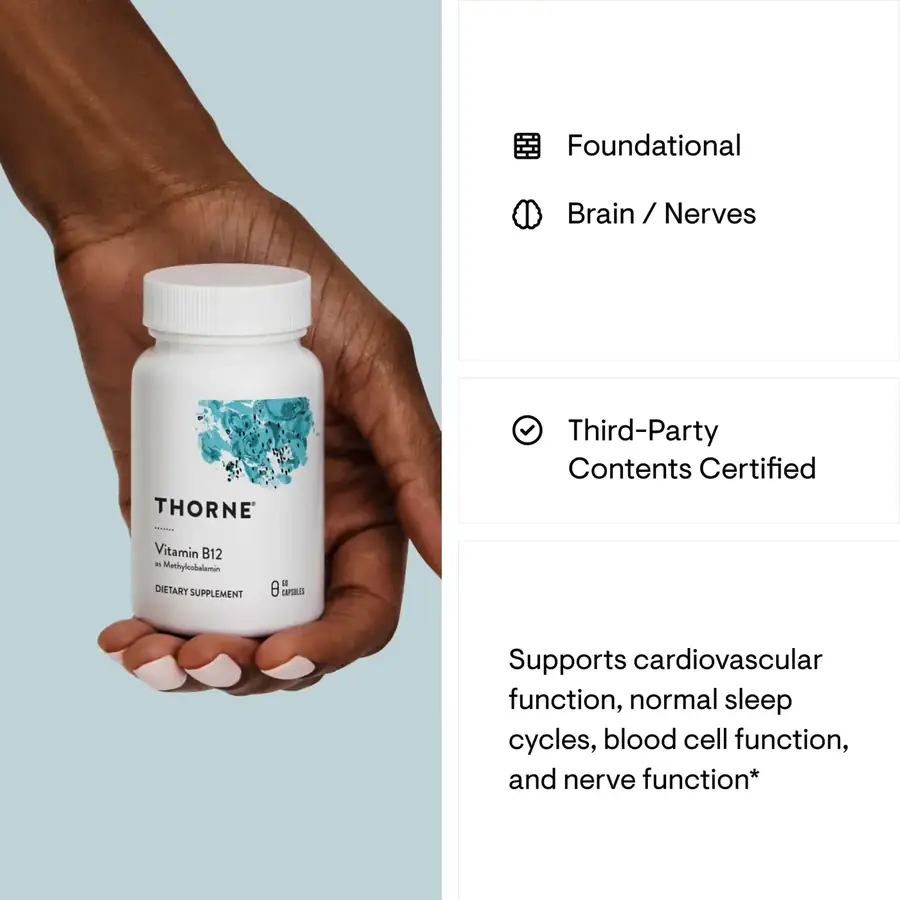
Methylfolate + Methylcobalamin (B12) — Neural Tube & Implantation
Folate before and during early pregnancy reduces neural tube defect risk by 50–70% — one of the most replicated findings in all of reproductive medicine (Cochrane 2018, 41 RCTs). Critical point: up to 40% of women carry MTHFR variants that impair conversion of standard folic acid to active 5-MTHF. Use methylfolate directly, not folic acid. Methylcobalamin (B12) is the required cofactor — elevated homocysteine from B12 deficiency is independently associated with recurrent pregnancy loss. Begin 3 months before conception.
One research-grounded briefing per week. No hype, no affiliate push, no AI-generated filler.
Educational ranking only. Not medical advice. Evidence grade refers to published human research on this ingredient — not proof that any specific product treats or prevents disease. Affiliate links may generate revenue but never affect ratings.