Immune & Inflammation
Chronic low-grade inflammation — called inflammaging — is now understood to be a primary driver of cardiovascular disease, cognitive decline, cancer, and metabolic dysfunction. It is not simply an immune system problem; it is the immune system's aging itself. The compounds ranked here work through distinct, well-characterized mechanisms: NF-kB inhibition, trained innate immunity, antioxidant enzyme induction, and epigenetic modulation. Each has human trial evidence demonstrating measurable reductions in inflammatory biomarkers or immune functional improvement.

Educational ranking only. Not medical advice. Evidence grade refers to published human research on this ingredient — not proof that any specific product treats or prevents disease. Affiliate links may generate revenue but never affect ratings.
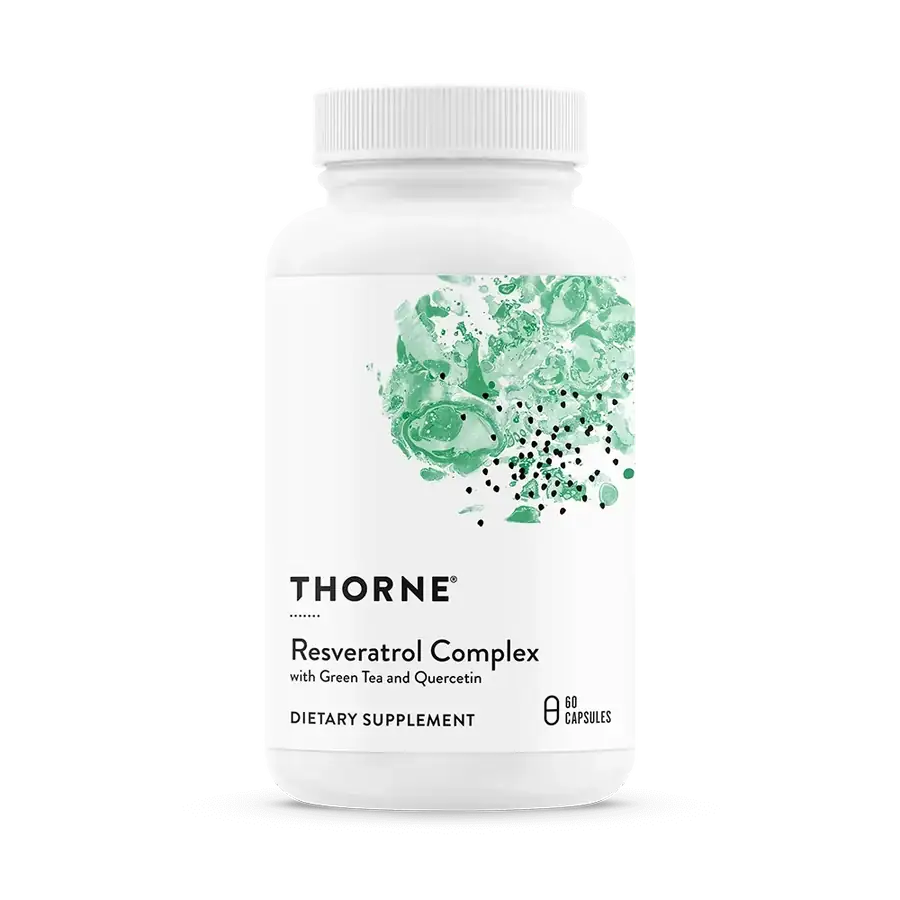
Curcumin (Theracurmin or BCM-95) 500–1000mg
Standard curcumin has near-zero bioavailability; only bioavailability-enhanced forms (Theracurmin, BCM-95, Meriva) produce measurable plasma concentrations. Mechanism: curcumin inhibits NF-kB — the master inflammatory transcription factor — as well as COX-2 and TNF-alpha, the same pathways targeted by NSAIDs but without immune suppression. Sasaki et al. (Cancer Prevention Research, 2011) showed Theracurmin HP significantly reduced plasma biomarkers of oxidative stress and inflammation. Chandran & Goel (Phytotherapy Research, 2012) conducted an RCT in 45 rheumatoid arthritis patients demonstrating curcumin equivalent to 500mg ibuprofen for pain without GI side effects. The standard turmeric extract form is largely ineffective at clinical doses — formulation determines outcome entirely.
EGCG (Epigallocatechin Gallate) 400–800mg
EGCG is the primary polyphenol in green tea and the most studied catechin in longevity science. Jochmann et al. (European Journal of Cardiovascular Prevention & Rehabilitation, 2008) found that green tea extract significantly improved endothelial function in coronary artery disease patients. Hursel et al. (International Journal of Obesity, 2009) — a meta-analysis of 11 RCTs — confirmed significant reductions in body weight and BMI with EGCG plus caffeine. Mechanism: EGCG inhibits DNMT1 (DNA methyltransferase), influencing epigenetic aging; also inhibits proteasome activity, creating selective pressure against senescent and cancer cells, and activates AMPK. At doses above 800mg, liver enzyme elevations have been reported — 400–600mg is the appropriate range for daily use.
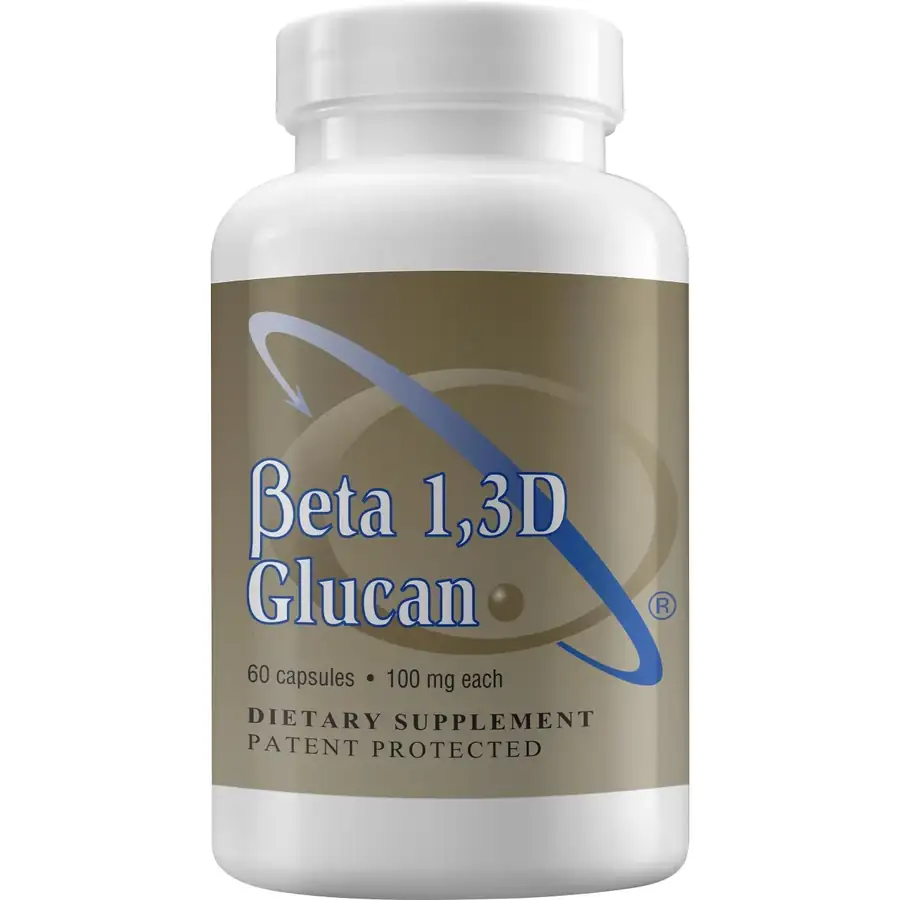
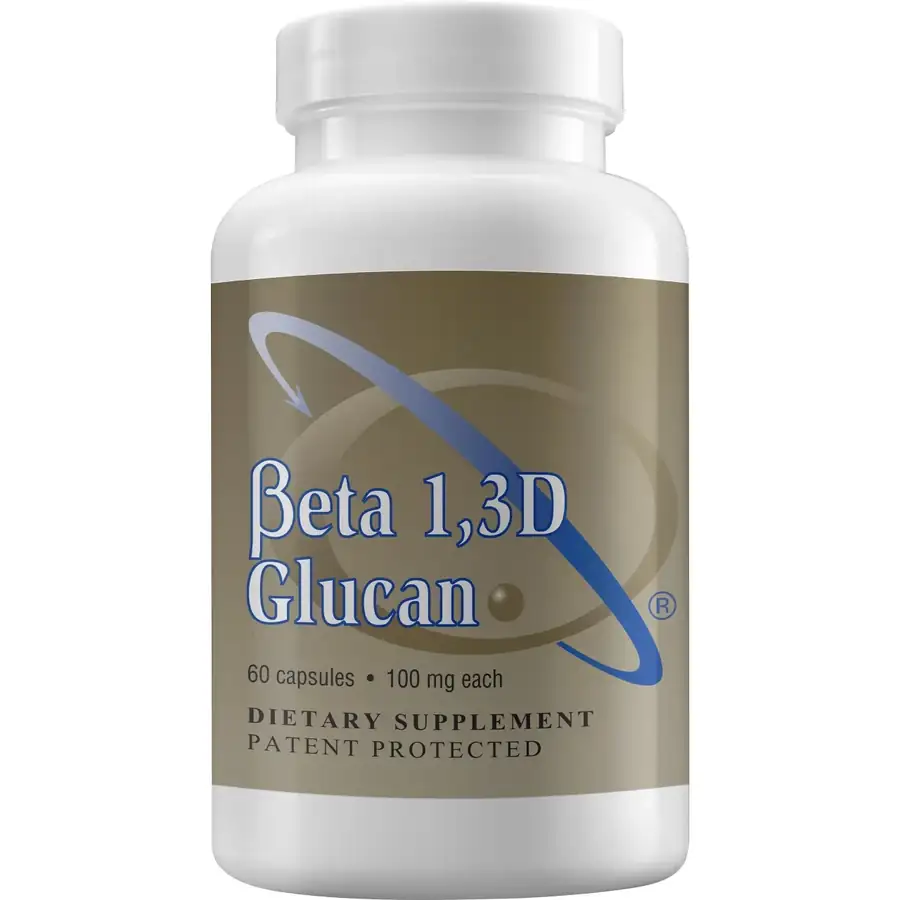
Beta-Glucan (1,3/1,6-D-Beta-Glucan) 250–500mg
Beta-glucans are polysaccharides from oats, yeast, and mushrooms that function as biological response modifiers — they prime innate immune cells (macrophages, NK cells, neutrophils) for faster, more targeted responses without overactivating the immune system. Talbott & Talbott (Journal of Sports Science & Medicine, 2009) — an RCT in marathon runners — showed 250mg/day of beta-glucan reduced upper respiratory infection incidence by 37% versus placebo. Auinger et al. (European Journal of Nutrition, 2013) found yeast beta-glucan reduced cold and flu duration and severity. Mechanism: beta-glucans bind Dectin-1 and Complement Receptor 3 on immune cells, initiating trained immunity — a lasting enhancement of innate immune memory that does not fade after supplementation ends.
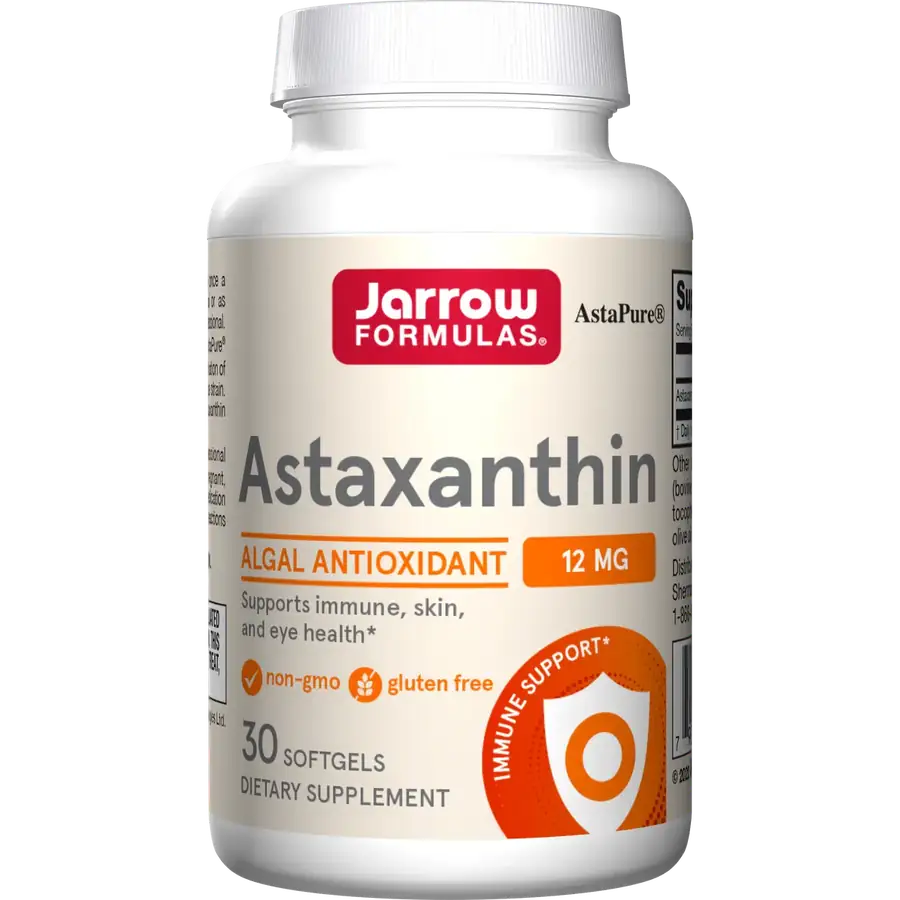
Astaxanthin 12mg
Astaxanthin is a ketocarotenoid from Haematococcus pluvialis algae and one of the most potent antioxidants tested in human trials. Nakagawa et al. (Nutrients, 2011) — an RCT in 42 subjects — showed 12mg/day for 8 weeks significantly reduced oxidative stress biomarkers (8-OHdG, phospholipid hydroperoxides) and improved natural killer cell cytotoxicity versus placebo. Park et al. (Nutrition & Metabolism, 2010) found 2mg, 8mg, and 20mg/day all produced dose-dependent reductions in CRP and TNF-alpha. Unlike most antioxidants, astaxanthin is both fat- and water-soluble — enabling it to protect the lipid bilayer and aqueous compartments of cells simultaneously.
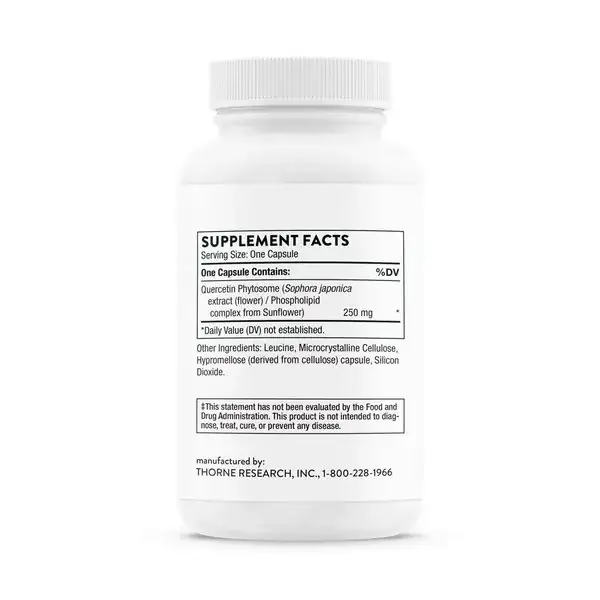
Quercetin 500mg (senolytic at high doses)
At 500mg/day, quercetin functions primarily as an anti-inflammatory flavonoid — inhibiting histamine release, reducing IL-6 and TNF-alpha, and modulating NF-kB. At higher doses (1000mg+, pulsed), it acts as a senolytic. Heinz et al. (Phytotherapy Research, 2010) found quercetin significantly reduced blood pressure in stage I hypertensives. Andres et al. (Nutrients, 2018) — a meta-analysis — confirmed CRP reduction across multiple trials. Combining with Bromelain enhances absorption up to 3x; combining with Vitamin C produces synergistic anti-inflammatory effects and supports quercetin recycling.
SP Green Food®
SP Green Food provides whole-food concentrates of alfalfa, buckwheat, and Spanish black radish — naturally rich in chlorophyll, carotenoids, and glucosinolates. Human RCT data on isolated compounds is limited; clinical evidence draws from decades of practitioner use and the whole-food matrix. Best used as a foundational green food base alongside targeted immune nutrients.
Available through professional dispensary only. Standard Process uses whole-food sourcing and protomorphogen concentrates — practitioner guidance recommended for dosing. Glucosinolate content supports phase II detoxification — relevant to immune-metabolic resilience.
One research-grounded briefing per week. No hype, no affiliate push, no AI-generated filler.