Gut Health & Microbiome
The gut microbiome functions as a metabolic organ — producing vitamins, neurotransmitters, short-chain fatty acids, and immune-modulating compounds at a scale that rivals the liver. Microbiome diversity declines measurably with age, correlating with increased intestinal permeability, chronic low-grade endotoxemia, and systemic inflammation. The supplements ranked here target three distinct mechanisms: rebuilding keystone bacterial species (Akkermansia), supplying the primary colonic fuel that maintains barrier integrity (butyrate/tributyrin), and seeding clinically validated probiotic strains with strain-specific RCT evidence.

Educational ranking only. Not medical advice. Evidence grade refers to published human research on this ingredient — not proof that any specific product treats or prevents disease. Affiliate links may generate revenue but never affect ratings.
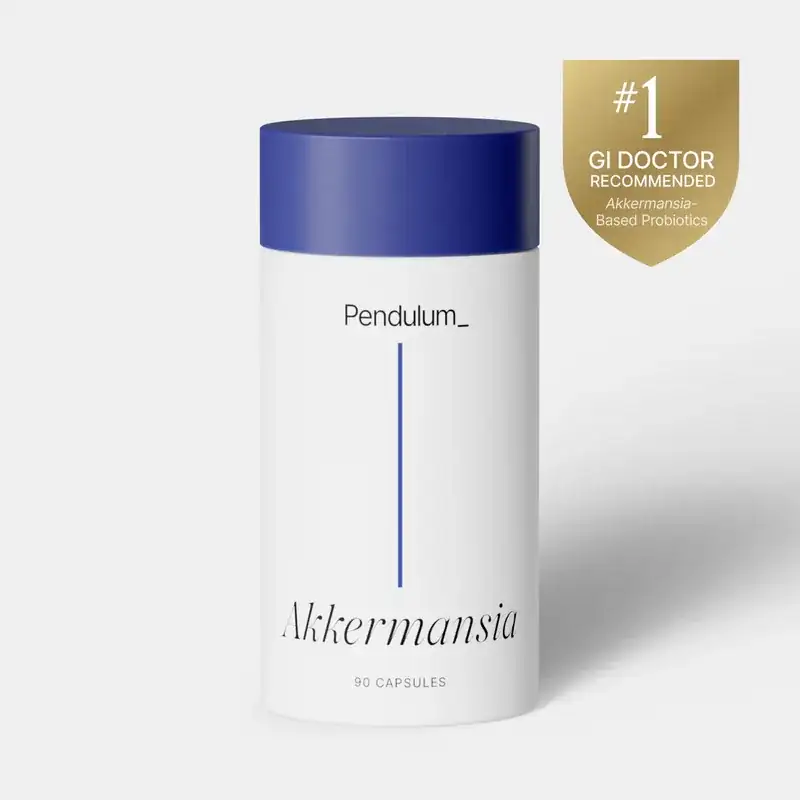
Akkermansia muciniphila (pasteurized) 100mg
Akkermansia muciniphila is a keystone gut bacterium constituting up to 4% of healthy gut microbiomes, but it declines significantly with age, obesity, and metabolic disease. Plovier et al. (Nature Medicine, 2017) demonstrated that pasteurized (heat-killed) Akkermansia is more effective than live bacteria at reducing metabolic endotoxemia and restoring gut barrier integrity. Depommier et al. (Nature Medicine, 2019) — the first human RCT — showed pasteurized Akkermansia (10¹⁰ CFU/day for 3 months) significantly improved insulin sensitivity, reduced waist circumference, decreased plasma LPS (a key driver of systemic inflammation), and improved liver function markers versus placebo (n=32). Mechanism: Akkermansia's outer membrane protein Amuc_1100 directly binds TLR2 on intestinal epithelial cells, strengthening tight junctions and reducing intestinal permeability. This is the most evidence-backed next-generation probiotic in longevity science.
Tributyrin (butyrate precursor) 600–1200mg
Butyrate is the primary fuel source for colonocytes (colon cells) and the most important short-chain fatty acid produced by gut bacteria from fiber fermentation. It activates Treg cells to reduce systemic inflammation, inhibits HDAC enzymes for epigenetic regulation, strengthens tight junctions, and suppresses NF-kB in the colon. The challenge: sodium butyrate supplements are largely destroyed by stomach acid before reaching the colon. Tributyrin — a triglyceride form of butyrate — bypasses this problem, delivering butyrate directly to the large intestine via lipase-mediated hydrolysis. Banasiewicz et al. (Colorectal Disease, 2013) conducted an RCT showing tributyrin significantly reduced clinical remission rates in mild-to-moderate ulcerative colitis versus placebo. Vinolo et al. (Nutrients, 2011) demonstrated dose-dependent reductions in inflammatory cytokine production with butyrate supplementation.

Lactobacillus rhamnosus GG (LGG) + Multi-strain Probiotic
LGG is the most clinically studied probiotic strain in the world with over 800 published trials. Szajewska & Mrukowicz (Journal of Pediatric Gastroenterology & Nutrition, 2001) — a systematic review — found LGG reduced duration of acute diarrhea by 1.1 days. In adults, Segers & Lebeer (Microbial Cell Factories, 2014) reviewed 40 RCTs and confirmed LGG consistently improved IBS symptoms, reduced antibiotic-associated diarrhea, and modulated immune markers. Strain identity matters fundamentally in probiotic science — generic "Lactobacillus acidophilus" on a label carries no specific predictive value. LGG has the studies. For broader microbiome diversity support, a high-quality multi-strain formula containing Bifidobacterium longum and B. infantis adds coverage that LGG alone does not provide.
Partially Hydrolyzed Guar Gum (PHGG) 5g
PHGG is a soluble, low-viscosity fiber that acts as a prebiotic — selectively feeding Bifidobacterium and Lactobacillus species without causing the bloating or gas that inulin and FOS produce in sensitive individuals. Quartarone (Minerva Gastroenterologica e Dietologica, 2013) showed PHGG significantly improved stool consistency and bowel regularity in IBS patients. Its partial hydrolysis slows fermentation rate, making it the most tolerable prebiotic option for those who react poorly to other fibers. When combined with tributyrin, PHGG drives butyrate-producing bacteria — a synergistic mechanism for colonic fuel supply and barrier maintenance.
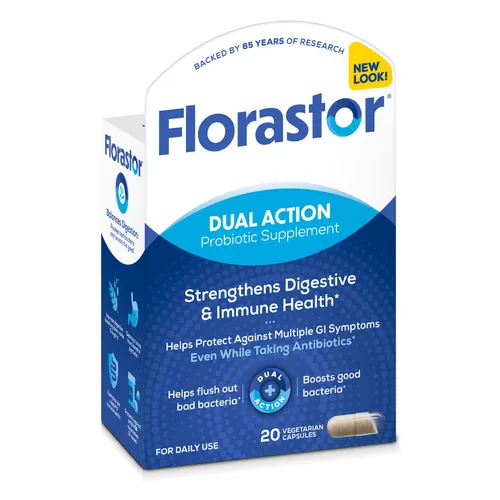
Saccharomyces boulardii CNCM I-745 (5 billion CFU)
S. boulardii is a yeast-based probiotic that survives antibiotic treatment — bacteria-targeting antibiotics do not affect it — and directly competes with pathogenic Clostridioides difficile, Candida, and enteric pathogens. Guslandi et al. (European Journal of Gastroenterology & Hepatology, 2000) found S. boulardii significantly reduced Crohn's disease relapse rate in an RCT. McFarland (World Journal of Gastroenterology, 2010) — a meta-analysis of 31 RCTs — confirmed efficacy for C. difficile-associated diarrhea, antibiotic-associated diarrhea, and traveler's diarrhea. The CNCM I-745 strain designation is critical: it is the strain used in all major trials, and strain identity determines clinical applicability.
One research-grounded briefing per week. No hype, no affiliate push, no AI-generated filler.