Epigenetics & Biological Age
The epigenome sits atop the genome as a layer of chemical tags — primarily methyl groups attached to cytosine bases — that control which genes are expressed without altering the underlying sequence. These methylation patterns are exquisitely sensitive to diet, environment, and lifestyle, and they drift in predictable ways as we age. Second-generation epigenetic clocks (PhenoAge, GrimAge, DunedinPACE) are now among the strongest predictors of mortality, disease risk, and functional decline available in clinical practice. Unlike many longevity biomarkers, epigenetic age is modifiable: a growing body of RCT data shows that targeted nutritional interventions can measurably shift clock readings within weeks.

Educational ranking only. Not medical advice. Evidence grade refers to published human research on this ingredient — not proof that any specific product treats or prevents disease. Affiliate links may generate revenue but never affect ratings.
Educational ranking only. Not medical advice. Evidence grade refers to published human research on this ingredient — not proof that any specific product treats or prevents disease. Affiliate links may generate revenue but never affect ratings.

Methyl B-Complex (methylfolate, methylcobalamin B12, P5P B6, TMG)
Educational ranking only. Not medical advice. Evidence grade refers to published human research on this ingredient — not proof that any specific product treats or prevents disease. Affiliate links may generate revenue but never affect ratings.
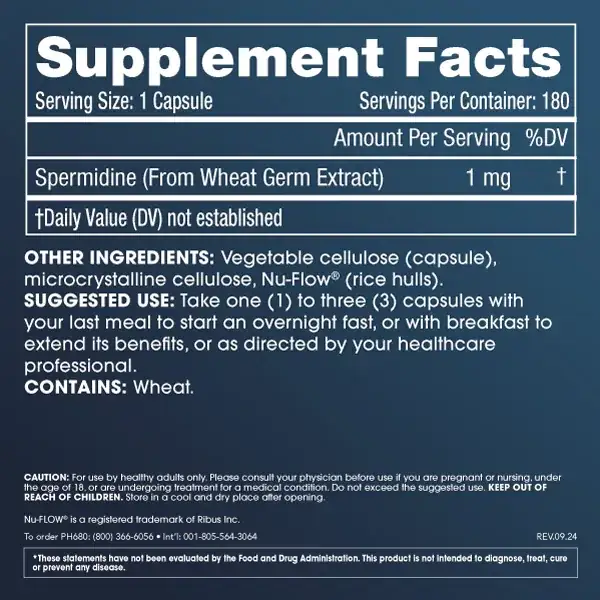
Spermidine 1–3 mg/day (wheat germ extract)
Spermidine induces autophagy via inhibition of the acetyltransferase EP300, triggering clearance of damaged cellular components including misfolded proteins implicated in epigenetic dysregulation. A 2021 RCT (Schwarz et al., Aging, n=30) found 3 months of spermidine supplementation improved memory performance and reduced inflammatory biomarkers in older adults with subjective memory decline. Dietary spermidine intake correlates inversely with all-cause mortality in the ESTHER cohort study (n=49,407; Kiechl et al. 2018, Am J Clin Nutr), with the highest intake tertile associated with a 40% reduction in cardiovascular mortality over 20 years. The mechanism linking autophagy induction to epigenetic maintenance is well-established in model organisms; dose-optimized human RCTs specifically measuring clock outcomes are still limited.

Resveratrol + Pterostilbene (polyphenol SIRT1 activators)
Resveratrol activates SIRT1, a NAD+-dependent deacetylase that regulates DNMT3 and other DNA methylation maintenance enzymes. A 2014 RCT (Turner et al., J Int Med, n=46) showed resveratrol supplementation improved memory performance and cerebral blood flow in older adults, consistent with SIRT1-mediated neuroprotection. Pterostilbene is the dimethylated analog of resveratrol with markedly superior oral bioavailability (~80% vs ~29%) and a longer plasma half-life, making it the more practical clinical option. Neither compound yet has published epigenetic clock RCT data; the mechanism via SIRT1/AMPK activation is well-characterized, and translating this to measurable clock reversal in humans represents the active research frontier in this area.
Supplementing without a baseline is guessing. TruDiagnostic's TruAge test uses the Dunedin PACE algorithm and reports your biological age, rate of aging (Pace of Aging), and organ system scores. It's the test The Founder considers the most clinically actionable epigenetic clock available as of 2026.
View TruDiagnostic →One research-grounded briefing per week. No hype, no affiliate push, no AI-generated filler.
Educational ranking only. Not medical advice. Evidence grade refers to published human research on this ingredient — not proof that any specific product treats or prevents disease. Affiliate links may generate revenue but never affect ratings.