These compounds have not reached the evidence threshold for a scored rating. Listed because the mechanism is biologically plausible and early human signals exist. Do not interpret inclusion here as an endorsement — treat this as a research watch list, not a buying guide.
Emerging Research
The longevity field moves faster than the RCT pipeline. Several compounds currently under active investigation have mechanistic profiles that are highly plausible — rooted in well-characterized aging pathways like mitophagy, senescence, TCA cycle metabolism, and trace mineral homeostasis — with early human trial data that is positive but insufficient for a scored tier rating. These are not speculative compounds based on cell culture alone; each has at least one published human study showing a measurable signal. They appear here because waiting for the full evidence base would mean ignoring genuinely important early signals. As replications emerge, compounds on this list will graduate to scored tiers or be removed if subsequent data is negative.

Educational ranking only. Not medical advice. Evidence grade refers to published human research on this ingredient — not proof that any specific product treats or prevents disease. Affiliate links may generate revenue but never affect ratings.
Educational watch list only. Not medical advice. Inclusion here does not constitute endorsement — these compounds have not met EBL's evidence threshold for a scored rating. Do not treat this page as a buying guide.
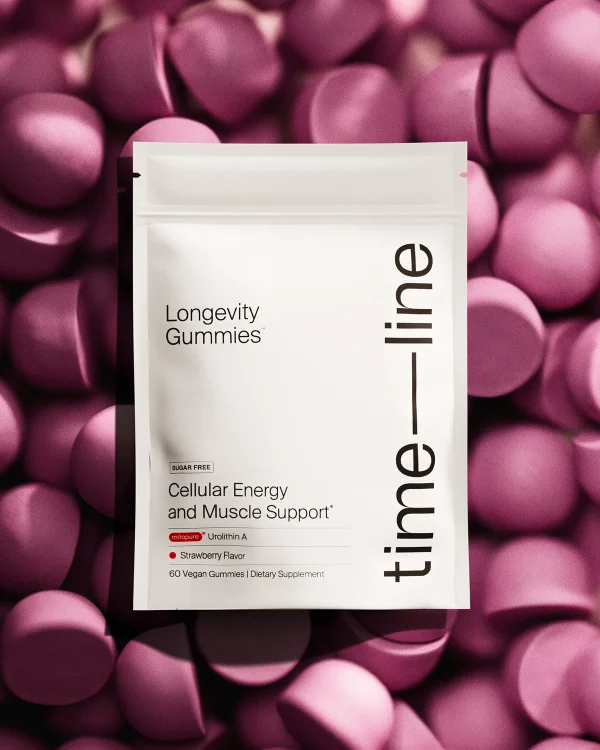
Urolithin A — Mitophagy Inducer (500mg/day)
Urolithin A is produced by gut bacteria from ellagitannins found in pomegranate and walnuts; it induces mitophagy via the PINK1/Parkin pathway, clearing damaged mitochondria. A 2022 RCT by Liu et al. (Nature Aging, n=66) found 500mg/day of Mitopure for 4 months significantly improved mitochondrial gene expression and muscle endurance in older adults versus placebo. Mitopure achieved plasma levels approximately 4 times higher than dietary ellagitannin consumption, an important consideration given that only around 40% of adults harbor gut bacteria capable of converting ellagitannins to urolithin A. The reason this compound has not yet earned a scored tier: one RCT is insufficient for confidence, and long-term human safety and longevity-outcome data remain absent. Mitophagy is a validated longevity pathway — the 2016 Nobel Prize in Physiology or Medicine was awarded for its discovery — which is precisely why replication of this signal is worth tracking closely.
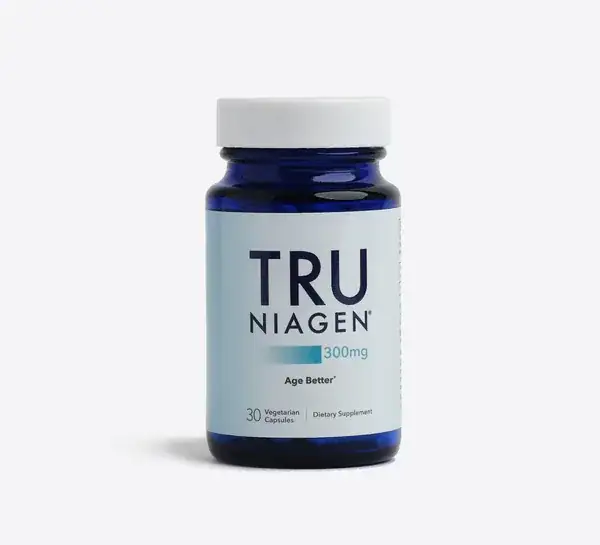
Alpha-Ketoglutarate (Ca-AKG, 1g/day)
Alpha-ketoglutarate (AKG) is a TCA cycle intermediate that declines with age; it modulates HIF-1alpha and mTOR signaling and serves as a cofactor for TET enzymes involved in DNA demethylation. Precursor forms have extended lifespan in C. elegans. A 2021 RCT by Shahmirzadi et al. (Cell Reports Medicine, n=42) found calcium AKG at 1g/day reduced biological age by approximately 8 years on the Klemera-Doubal method over 7 months, with the effect driven predominantly by immune and inflammatory markers. If replicated, this would represent one of the largest single-supplement biological age reversal signals ever reported. The caveat is substantial: the trial enrolled only 42 participants, it has not been independently replicated, and the Klemera-Doubal biological age method is less validated than Horvath ↗ clock or DunedinPACE measures. The mechanistic plausibility and magnitude of the signal justify close attention as follow-up trials are underway.
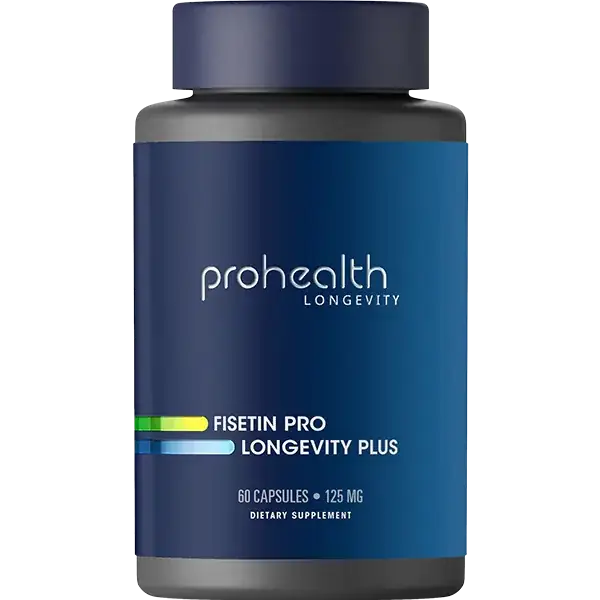
Fisetin — Flavonoid Senolytic (Pulsed 20mg/kg)
Fisetin is a flavonoid with senolytic properties — it induces apoptosis in senescent cells in vitro and in mouse models, and also activates sirtuins and AMPK. Senolytics are mechanistically the most compelling longevity compound class not yet validated by large human RCTs. A 2021 pilot RCT by Verdoorn et al. (EBioMedicine, n=20) found that a 2-day pulsed high-dose fisetin protocol at 20mg/kg produced measurable reductions in p21 and other senescence markers in older women, with a modest but detectable effect. Fisetin currently holds the strongest human signal of any over-the-counter senolytic compound. The evidence base is not yet sufficient for a scored tier: the trial enrolled only 20 participants, a pulsed-dose protocol is not commercially straightforward to replicate, and a powered long-term RCT has not been completed.
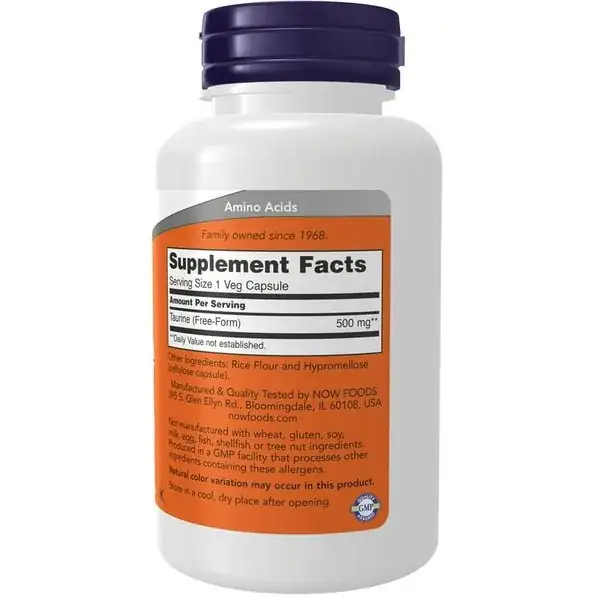
Taurine — Conditional Amino Acid (1–3g/day)
Taurine is a conditional amino acid involved in mitochondrial function, antioxidant defense, bile acid conjugation, and GABAergic neurotransmission; plasma taurine concentrations decline significantly with age. A landmark 2023 paper by Singh et al. (Science) demonstrated that taurine deficiency drives aging across multiple organisms and that taurine supplementation extended median lifespan in mice by 10–12%. Observational data in humans shows lower plasma taurine is associated with higher BMI, elevated inflammation, and increased type 2 diabetes risk. The 2023 Science publication generated substantial attention in the longevity community and has prompted active human supplementation trials. At 1–3g/day, taurine appears safe and is already consumed at lower doses widely through energy drink consumption. The critical gap: no longevity-outcome RCT in humans has yet been completed, and mouse lifespan data does not consistently translate to humans.
Lithium (Low-Dose) — GSK-3β Inhibitor (300mcg–1mg/day)
At trace doses (0.3–1mg/day), lithium inhibits GSK-3beta, promotes autophagy, and exerts neuroprotective effects that are mechanistically distinct from its psychiatric application at doses 10–100 times higher. Epidemiological data from multiple countries shows areas with naturally higher lithium concentrations in drinking water have significantly lower rates of Alzheimer's disease, suicide, and all-cause mortality (Kessing et al. 2017, JAMA Psychiatry; Fajardo et al. 2018, European Journal of Clinical Nutrition). A small RCT (Nunes et al. 2013, British Journal of Psychiatry, n=45) found low-dose lithium stabilized cognitive decline in mild Alzheimer's patients over 15 months. The geographic correlation between water lithium content and longevity outcomes is among the strongest environmental associations documented in longevity epidemiology. Low-dose formulations at 300mcg–1mg are now commercially available as supplements. The primary limitation is that the longevity evidence is epidemiological rather than RCT-derived; thyroid monitoring is recommended at any regular dose; and the psychiatric stigma associated with the compound — unwarranted at trace doses — remains a real barrier to clinical investigation.
One research-grounded briefing per week. No hype, no affiliate push, no AI-generated filler.
Educational ranking only. Not medical advice. Evidence grade refers to published human research on this ingredient — not proof that any specific product treats or prevents disease. Affiliate links may generate revenue but never affect ratings.