Adaptogens & Stress
The HPA (hypothalamic-pituitary-adrenal) axis is the body's primary stress-response system. Chronic activation leads to persistently elevated cortisol, which accelerates telomere shortening, suppresses immune function, disrupts sleep architecture, and promotes visceral fat accumulation — all established mechanisms of accelerated biological aging. Adaptogens are defined pharmacologically by their ability to produce a non-specific stress-protective response without causing excess stimulation or dependence. Unlike anxiolytics or sedatives, adaptogens work upstream at the HPA axis and cellular stress-response level. The three compounds ranked here have the strongest human RCT evidence in this class; all others currently lack the trial volume for a scored rating.

Educational ranking only. Not medical advice. Evidence grade refers to published human research on this ingredient — not proof that any specific product treats or prevents disease. Affiliate links may generate revenue but never affect ratings.
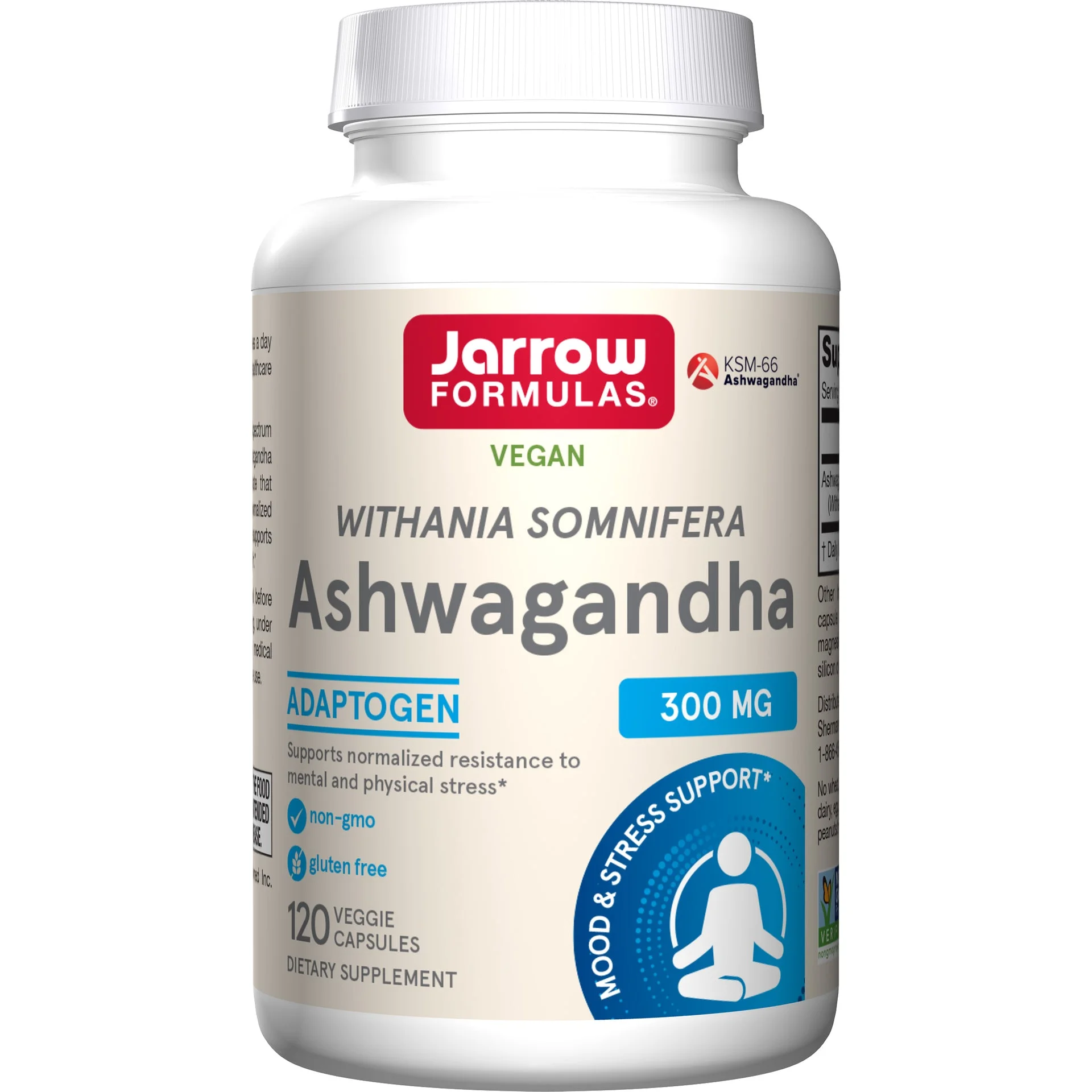
Ashwagandha — KSM-66 / Sensoril (600mg/day)
The most evidence-rich adaptogen in human trials. KSM-66 and Sensoril ashwagandha (both standardized withanolide extracts) have each accumulated multiple double-blind RCTs showing significant reductions in serum cortisol (14–28%), improved stress resilience on validated scales (PSS, DASS), and measurable improvements in sleep quality and testosterone in men. A 2019 meta-analysis (Pratte et al., J Altern Complement Med) covering 5 RCTs confirmed consistent effect across populations. The 600mg/day dose is the most replicated; Sensoril uses a root-and-leaf extract at lower doses with comparable effect. Do not substitute generic ashwagandha — standardization to withanolides is essential.
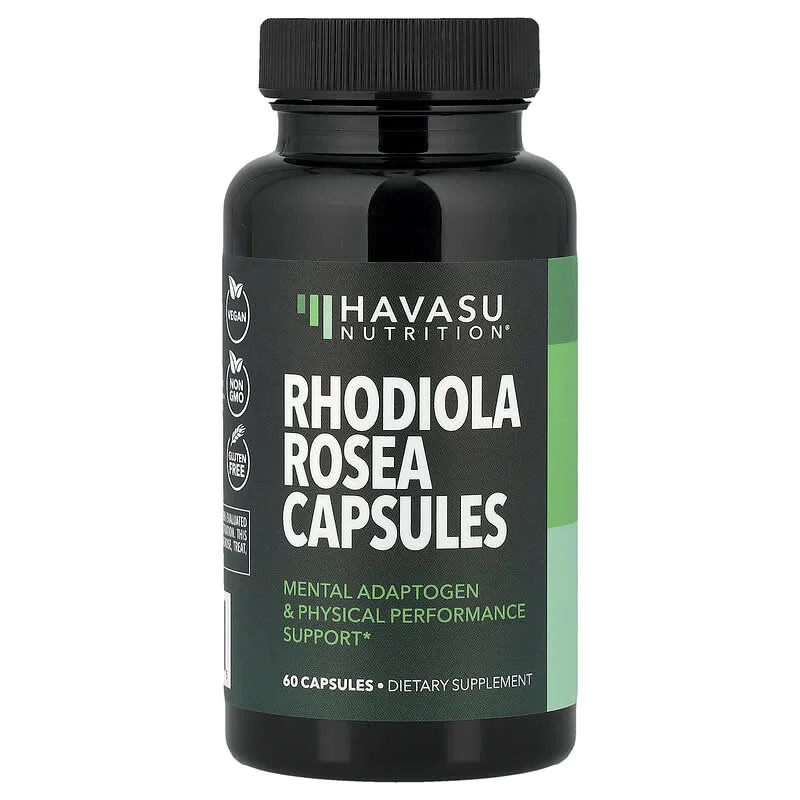
Rhodiola Rosea — WS-1375 / SHR-5 Extract (400–600mg/day)
Rhodiola rosea at the WS-1375 or SHR-5 standardized extract has demonstrated consistent anti-fatigue and cognitive-stress benefits in human RCTs. The mechanism centers on upregulation of HSP70 and nitric oxide in stress-response pathways, and modulation of serotonin and dopamine reuptake. A 2012 RCT (Darbinyan et al., Phytomedicine) in night-shift physicians showed significant reductions in mental fatigue and error rate. Data are most robust for cognitively stressed adults; evidence in athletic or physically stressed populations is mixed. Form specificity is critical — results from standardized SHR-5 do not generalize to unstandardized rhodiola products.
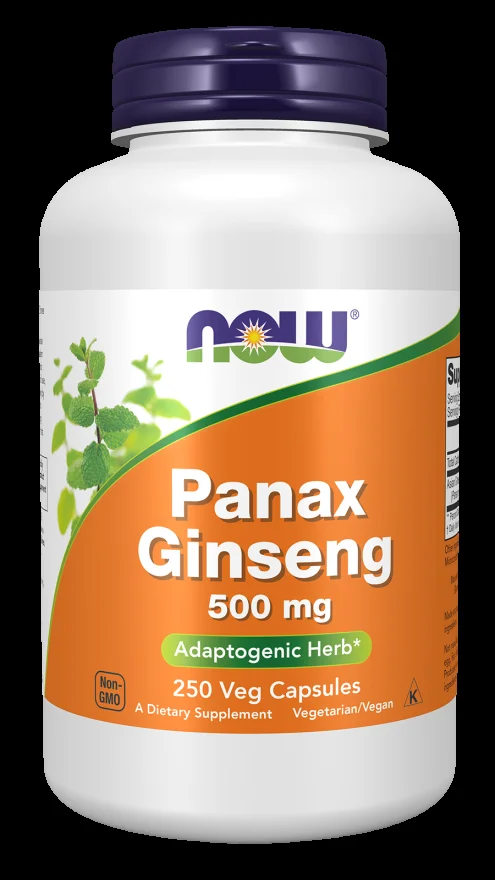
Panax Ginseng — Korean Red Ginseng (1–3g/day)
Korean Red Ginseng improved cognitive performance and reduced fatigue in a double-blind RCT (Kennedy et al. 2001, Psychopharmacology, n=30). Ginsenosides Rg1 and Rb1 modulate dopaminergic and noradrenergic pathways and reduce HPA axis activation downstream of CRH signaling. A 2018 meta-analysis (Lee & Rhee, J Ginseng Research) across 10 RCTs found consistent but modest effects — effect sizes uniformly smaller than ashwagandha. Standardization to ginsenoside content is essential.
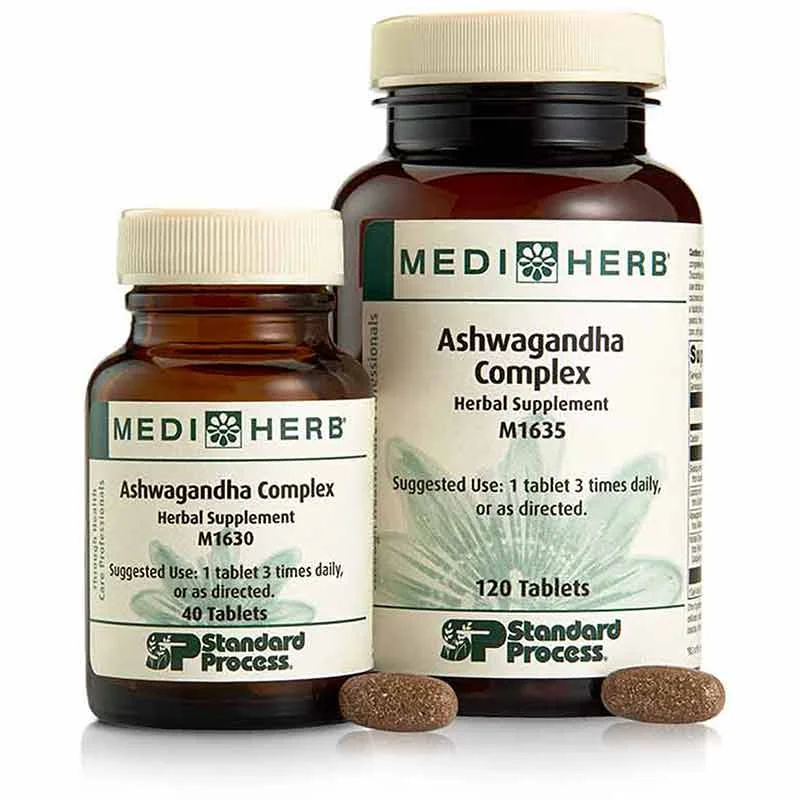
MediHerb Ashwagandha Complex
MediHerb combines withanolide-standardized ashwagandha with Siberian ginseng and licorice root in a practitioner-grade whole-herb matrix. Withanolides reduce serum cortisol via HPA axis modulation; the synergistic nervine blend extends the adrenal-support profile beyond single-ingredient products. Evidence grade reflects the ashwagandha ingredient RCT base — the proprietary combination has not been independently trialed.
Available through professional dispensary only. Practitioner guidance recommended for dosing.
One research-grounded briefing per week. No hype, no affiliate push, no AI-generated filler.